Six A.M. Packing Tape and a Prayer: What One Shipping Day Reveals About the Hands Behind Your Altar Goods
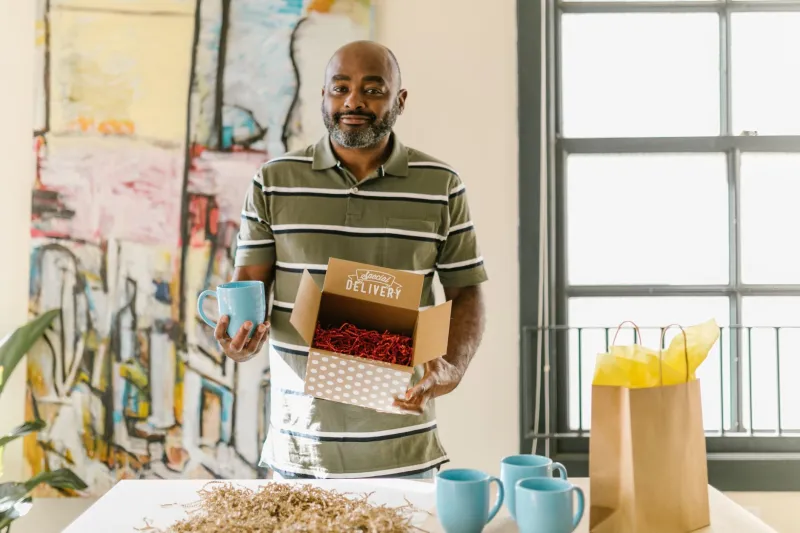
The first order of the day lands at 6:12 a.m., before the coffee finishes dripping. A cedar and copal bundle, headed to Portland. By 6:15, Maya Ortiz is on her kitchen floor in Albuquerque, rolling the bundle in recycled kraft paper the way her grandmother taught her to wrap tamales — snug, but never crushing.
This is the part of the sacred goods economy nobody photographs: the tape gun, the coffee stain on the shipping label, the moment a person who makes things by hand also becomes a shipping department.
The Tap and the Twelve Hours After It
When you press "buy" on a small spiritual goods shop, a cascade begins that most of us never see. For Maya, who runs a one-woman incense operation out of a converted garage, a single order means checking her inventory of hand-rolled dhoop, printing a label, wrapping, cushioning with shredded paper (never plastic), and walking everything to the UPS drop two blocks away — because she can't justify pickup fees on a $22 order.
"People think the hard part is making the incense," she told me, kneeling beside a tower of mailers. "The hard part is everything else. The incense is the easy, beautiful part."
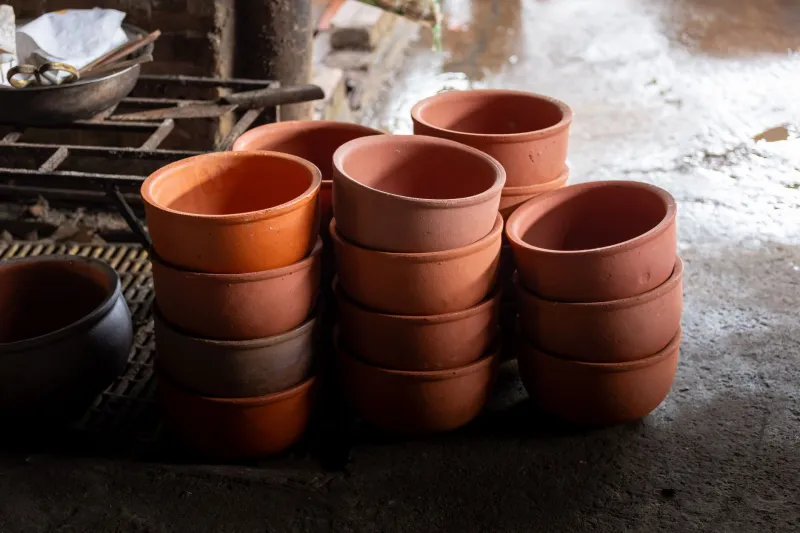
Across the country in Asheville, potter Deshawn Whitfield faces the same arithmetic with heavier stakes. His hand-thrown altar bowls weigh nearly three pounds each, which means shipping costs can quietly eat a third of the sale price. He's tried flat-rate boxes, regional carriers, even driving orders to a freight hub himself when the math gets ugly.
"Somebody in Ohio ordered a bowl last month and the shipping quote came back higher than the bowl," he said. "So I drove it forty minutes to a cheaper hub. That's not in any business plan."
What a Fair Price Actually Costs
Here's the uncomfortable ledger behind that $48 mala or $34 incense bundle:
- Materials. Sandalwood, rudraksha seeds, and sustainably harvested herbs cost real money when sourced ethically — often two to three times what a mass-market supplier would charge.
- Labor. When Maya rolls incense, she pays herself, eventually, whatever's left. Most months, that's the equivalent of $11 an hour.
- Shipping. Boxes, tape, labels, and carrier fees add $6–$14 to nearly every small order.
- The platform. Even community-minded marketplaces take a cut, usually 5–15 percent.
Do the math and a "fairly priced" handmade item is often priced fairly for everyone except the maker.
This is why the gap between a $12 imported incense stick set and a $22 hand-rolled one isn't gouging. It's the visible edge of an invisible labor story — the four a.m. hours, the tape gun, the drive to the cheaper hub.
The Temple Parking Lot Economy
There's a reason the image of a delivery truck idling outside a temple or meditation center hits differently now. Sacred goods in America move through the same logistics machine as everything else — but the people at the small end of that machine are often practicing something closer to devotion than commerce.
Ruth Kimmel, who sells dried herbs and ritual blends from her Vermont homestead, puts it plainly: "I could buy bulk sage from a distributor and triple my margin. I could also stop sleeping. I grow it instead because that's the point. The growing is the prayer."
Her shipping day looks like Maya's and Deshawn's: a folding table by the window, orders sorted by carrier cutoff time, a mug of nettle tea going cold. Ruth walks her packages to the rural route carrier, who has learned to keep the van running while they chat.
What Buyers Can Actually Do
If this portrait stirs something, here's the grounded version of support:
- Bundle your orders. Fewer shipments mean lower carbon emissions and more margin surviving for the maker.
- Read the shipping fee as information, not insult. It's a window into real costs.
- Leave reviews that mention the handmade quality specifically. For small sellers, a detailed review is free marketing they can't otherwise afford.
- Buy early, not last-minute. Rushed orders force expedited shipping, which erases already-thin margins.
- Expect delays and hold complaints gently. A potter driving a bowl to a freight hub is not a fulfillment center.
The Package on Your Doorstep
By evening, Maya's kitchen floor is clear again. Deshawn has wrapped two bowls in newspaper and old egg cartons. Ruth has tied her herb bundles with twine saved from last year's hay bales.
Somewhere between here and there, these packages will ride conveyor belts and delivery routes alongside everything else America ships — phone chargers, socks, meal kits. But each one carries a different weight. Inside is something made slowly, priced honestly, and packed by hands that paused, however briefly, before sealing the box.
The next time a small parcel of sacred goods arrives at your door, you'll know what it cost — not just in dollars, but in the twelve unglamorous hours between your tap and the truck.