Four A.M. Hands: The Invisible Hours Inside Every Handmade Price Tag
The alarm goes off at 3:50 a.m. in a rented garage in Asheville, North Carolina, and Maya Reyes is already half awake. She has been for twenty years.
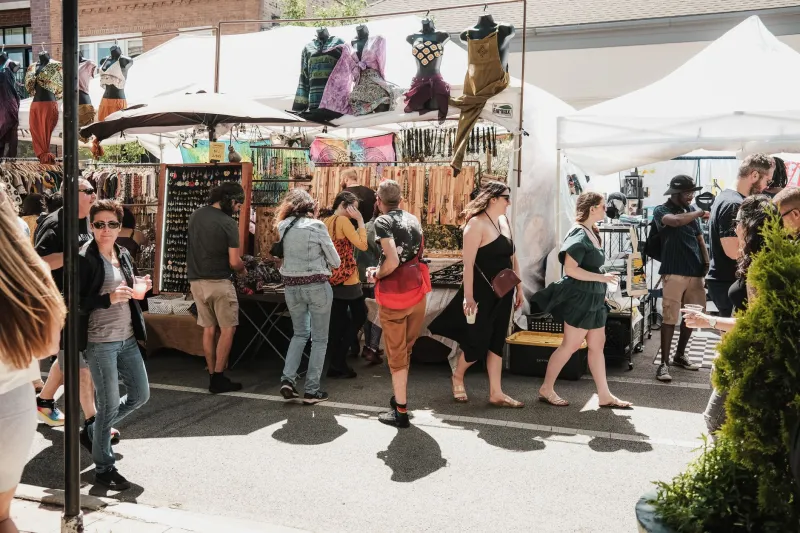
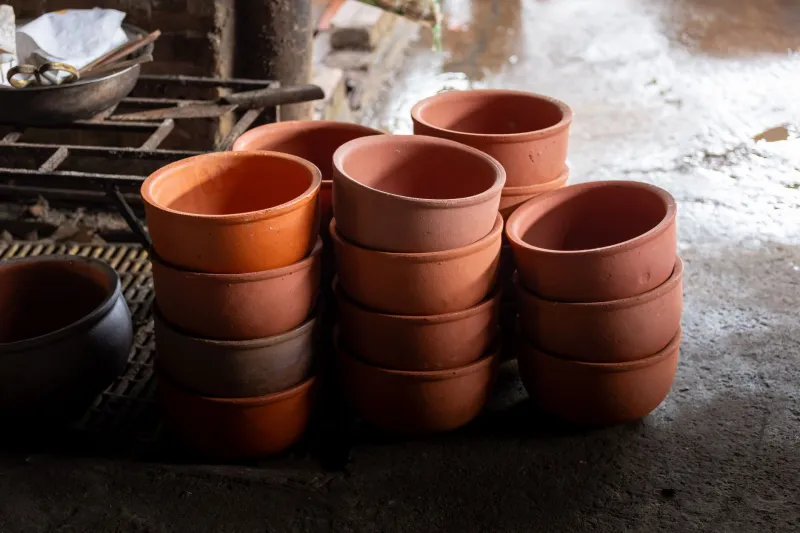
By 4:15, her hatchback is packed with nearly ninety pieces of pottery, each one wrapped in old newspaper and nested in plastic crates she's repaired with duct tape more times than she can count. The Saturday farmers market in her neighborhood opens at 7. She needs to be there by 5:45 to claim her spot, unload, and set up a display that looks, to anyone passing by, effortlessly charming.
Nothing about it is effortless. That's kind of the point.
The Hours You Never See
Here's what most shoppers don't witness: the kiln she loaded Thursday night that didn't cool enough to open until Friday morning. The three mugs that cracked in the firing anyway—hours of work, gone. The glaze she mixed herself because the commercial version contains a colorant she refuses to use. The drive to a supplier two counties over because it's cheaper than shipping, if you don't count the gas.
Maya estimates that for every hour a customer sees her at her stall, there are four to five hours they don't. Wedging clay. Throwing. Trimming. Bisque firing. Glazing. Glaze firing. Sanding the bottoms so they don't scratch your table. Photographing inventory for her online shop at midnight because that's when the light in the garage cooperates.
"People see the mug," she told me, laughing as she stacked a folding table into her trunk at 4:40 a.m. "They don't see the eleven mugs that died to make that one mug good."
What a Price Tag Is Actually Made Of
Let's do some honest math, the kind we rarely do when we're comparing a handmade bowl to a mass-produced one on a big-box website.
Maya's mugs retail for $44 to $52. Out of that comes booth rent, which at her market runs about $60 a Saturday. Materials—clay, glaze, firing costs—eat roughly 20 percent. There's the cracked-and-heartbroken reject rate. Then there's the time itself: when everything is accounted for, she makes somewhere between $18 and $24 an hour, before taxes, before health insurance, before the slow season in February when nobody's buying pottery.
Compare that to a $6.99 mug at a national chain, and you start to understand the difference isn't markup. It's a completely different economic universe. The $6.99 mug was made by a machine, in a factory, by workers who are paid as little as the global supply chain allows. The $48 mug was made by a person you can shake hands with, priced so that person can keep being a person with a livelihood.
Neither price is arbitrary. Both are telling you something true. The question is which truth you want your money to support.
The Story You're Buying Along With the Object
Around 9:30 a.m., a woman in her sixties picks up a mug with a deep teal glaze that breaks into copper where it pools. She turns it over, runs her thumb along the throwing rings, and asks Maya how she got the color.
Maya lights up. It's a glaze she spent two years developing, inspired by the mountain streams she grew up swimming in outside Taos. The woman buys two.
This is the part of the transaction no spreadsheet captures. When you buy from an artisan at a market, you're not just exchanging money for an object. You're getting a story attached to it—where it came from, who made it, why it looks the way it does. That mug on the woman's shelf isn't "a mug." It's the one from the potter in Asheville, the one about the streams in New Mexico. Objects with stories get kept. Objects with stories get repaired instead of replaced. Objects with stories slowly teach us that things can mean something.
How to Read a Price Tag Differently
None of this means you need to buy everything handmade. Budgets are real, and dignity doesn't come with a price minimum. But the next time you flinch at an artisanal price, try this small reframe:
- Divide by hours, not units. A $48 mug that lasts twenty years costs $2.40 a year. The $7 mug that chips in eighteen months costs more over time—and cost a lot more somewhere else, too.
- Ask the maker a question. "How did you get this color?" costs nothing and pays the vendor in something almost as valuable as money: being seen.
- Notice what happens to you. Most people report a strange afterglow after buying directly from a maker. That's not marketing. That's what a transaction looks like when no one in it is invisible.
By 3 p.m., Maya's crates are lighter. She's sold forty-one pieces, swapped glaze recipes with the woodworker two stalls down, and bought a breakfast burrito from the vendor across the aisle—money circulating through the little economy the market creates, the kind economists call the multiplier effect and the rest of us call taking care of each other.
At 4:15, she folds the last table. Twenty years in, her hands ache and her back is done and she says she wouldn't trade it.
"Every mug that goes home with somebody," she says, "some small part of my mornings goes with it."
That's what you're really paying for. Not the mug. The mornings.