Yoga Pants and Medicine Bundles for Sale: How to Stop Funding the Theft of Sacred Traditions

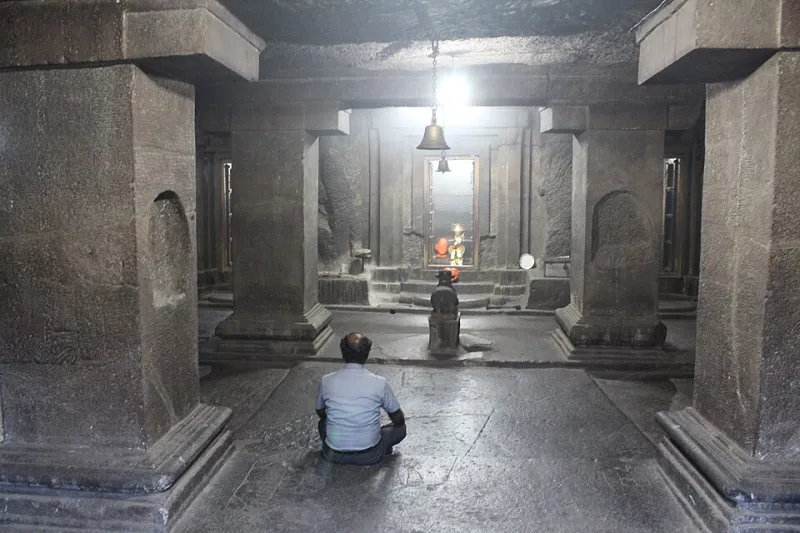
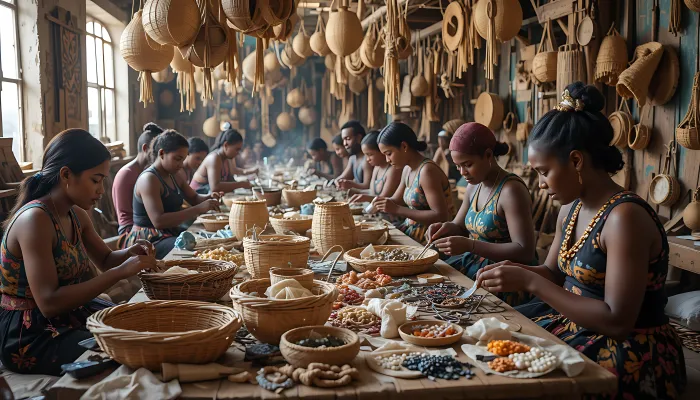
Photo: diverse spiritual community gathering yoga meditation cultural traditions, via static.wixstatic.com
Let's be honest about something uncomfortable: the wellness industry is worth over $5.6 trillion globally, and a massive chunk of that money is built on spiritual traditions that were never meant to be sold. Not the way they're being sold now, anyway.
You've seen it. Crystal sets marketed as "Native American healing tools" on Amazon. "Shamanic journey" weekend retreats led by a white woman who took a two-week trip to Peru. Yoga studios named after Sanskrit deities whose teachers have never studied Sanskrit. Tarot decks stripped of their Romani and esoteric roots and rebranded as "manifestation tools." These aren't edge cases. They're the industry's center of gravity.
And here's the part that makes it genuinely complicated: most of the people buying these things aren't bad people. They're searching. They're hurting. They want something real. Corporate wellness has gotten very good at meeting that hunger with something that looks nourishing but is, at its core, empty — or worse, actively extractive.
What Commodification Actually Does to a Practice
When a spiritual tradition gets commodified, a few things happen simultaneously. The context gets stripped. The accountability disappears. The lineage breaks. And the communities who carried those traditions — often through colonization, persecution, and active suppression — lose both cultural sovereignty and, frequently, economic benefit.
Take yoga. In the United States, yoga is a $9 billion industry. The vast majority of that money flows to predominantly white-owned studios, clothing brands, and teacher training programs. Meanwhile, Indian yoga teachers and scholars often describe watching their tradition get flattened into a fitness product, divorced from its philosophical roots in the Yoga Sutras, Vedanta, and Bhakti traditions. That's not a small thing. That's an entire epistemology being reduced to a workout.
Or consider white sage. Indigenous communities across the American Southwest have used white sage ceremonially for generations. Now it's being commercially harvested at such scale that populations in some regions are genuinely threatened — and the people doing the harvesting and selling are, overwhelmingly, not the communities for whom this plant is sacred.
The harm isn't abstract. It's ecological, economic, and deeply personal.
The "But It Helped Me" Defense
Here's where a lot of people get defensive, and honestly, it's worth sitting with that defensiveness rather than dismissing it.
Yes, you might have had a genuinely transformative experience at a retreat led by someone with questionable credentials. Yes, that crystal on your nightstand might feel meaningful to you. Personal experience is real. It's not nothing.
But "it worked for me" doesn't tell you whether the practice you engaged with was authentic, whether the teacher was accountable to a community, or whether the money you spent circulated back to the tradition's source. Spiritual experiences can happen in compromised containers. The experience being real doesn't make the extraction okay.
This is actually a pretty useful framework: separate the experience from the transaction. Both deserve examination.
Questions to Ask Before You Buy or Participate
So what does accountability actually look like in practice? Here are some concrete questions worth asking before you spend your money or your time:
About the teacher or brand:
- Who trained this person, and who trained that person? Is there a traceable lineage, or does it stop at a weekend certification?
- Is the teacher a member of the community whose tradition they're teaching? If not, do they have explicit permission, endorsement, or ongoing relationship with that community?
- Are they transparent about what they don't know or can't transmit?
- Do they compensate teachers or elders from the source community?
About the product:
- Where did this come from, and who harvested or made it?
- Is the cultural context explained, or has it been erased in favor of vague "energy" language?
- Does the company have documented relationships with the communities whose traditions they're drawing on?
- Who actually profits from this sale?
About yourself:
- Am I drawn to this because it's genuinely aligned with my path, or because it's aesthetically appealing and easy to access?
- Am I willing to do the slower, less glamorous work of actually learning the tradition this comes from?
- Would I be comfortable if someone from the source community could see how I'm using this?
None of these questions are meant to make you feel guilty. They're meant to make you more conscious — which is supposedly the whole point.
What Authentic Looks Like
Authentic doesn't mean perfect, and it doesn't mean only practitioners from a tradition's origin culture can ever engage with it. Traditions have always traveled. Teachers have always taught across cultures. The question is whether that transmission happens with integrity, relationship, and accountability.
Authentic tends to look like: teachers who can name their lineage and their teachers' teachers. Practices that include their philosophical and historical context, not just their techniques. Communities where feedback and accountability are built in. Prices that reflect fair compensation without pricing out the communities the tradition comes from. Slowness. Complexity. The acknowledgment that you can't download a tradition from a weekend workshop.
At Dharmatala Market, we think about this constantly when vetting the makers, teachers, and products we feature. It's not a perfect science. But asking the questions is non-negotiable.
Reclaiming Means Slowing Down
Here's the thing corporate wellness really doesn't want you to know: genuine spiritual practice is slow. It resists packaging. It requires relationship — with teachers, with communities, with texts, with your own resistance and confusion.
The most radical thing you can do in a $5.6 trillion industry designed to sell you instant transformation is to decide you're willing to wait. To study. To ask who this belongs to. To follow the money. To build relationships with practitioners who are actually embedded in their traditions.
That kind of practice can't be sold in a bundle. Which is exactly why it's worth protecting.