Your Energy Isn't Broken: What Chakra Work Can (and Can't) Do for Burned-Out Americans
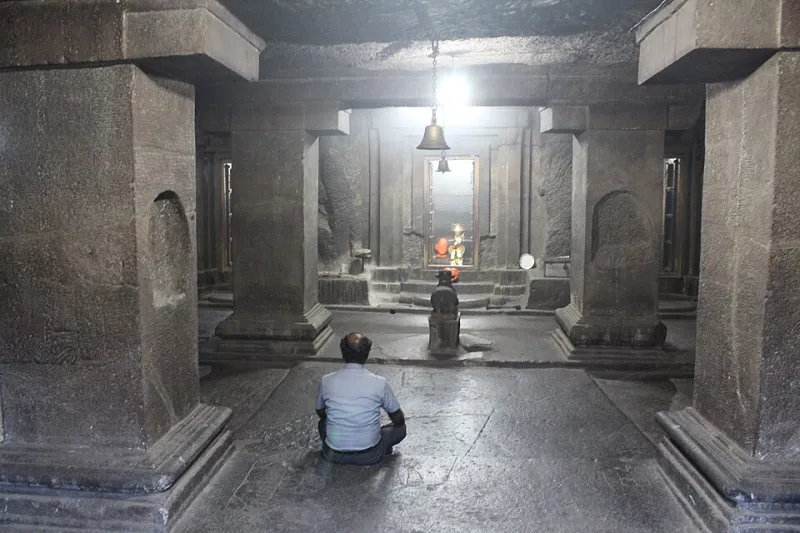
Photo: Haripriya 12, CC BY-SA 4.0, via Wikimedia Commons
Somewhere between your third Zoom call and your second cortisol spike of the morning, you may have wondered whether the problem isn't your schedule — it's something deeper. Something that no productivity app, no cold plunge, and no adaptogen latte has quite managed to fix.
That suspicion is fueling a quiet revolution in how Americans relate to their own bodies. Chakra-based energy practices — once filed under "New Age curiosity" alongside tarot and astrology — are showing up in corporate wellness programs, therapy-adjacent coaching spaces, and the daily routines of people who would never describe themselves as spiritual.
So what's actually going on here? Is this a genuine reckoning with how we treat our inner lives, or just burnout culture finding a more aesthetically interesting way to sell us the same hustle-recovery loop?
The Seven Centers, Briefly Explained
The chakra system originates in ancient Hindu and tantric traditions, with roots in texts like the Vedas and the Upanishads that date back thousands of years. In its classical form, it describes seven primary energy centers running along the spine — from the root chakra at the base, associated with safety and grounding, up through the sacral, solar plexus, heart, throat, third eye, and crown. Each center is understood to correspond to specific emotional, physical, and spiritual states.
In traditional yogic practice, chakra work isn't a standalone wellness tool. It's embedded in a comprehensive system of ethics, breathwork, meditation, and devotion. That context matters — and it's largely what gets stripped away when the concept gets packaged for a Tuesday lunch break workshop.
But here's the thing: even in its simplified Western form, the framework is resonating with people in ways that feel meaningful and, for some, genuinely transformative.
Why Now? The Burnout Connection
Americans are exhausted in a particular way right now. Chronic stress, decision fatigue, and a culture that rewards output over restoration have created a population that is simultaneously overstimulated and profoundly disconnected from their own internal signals.
"Most of my clients come to me not because they're curious about energy work," says Maya Delgado, a somatic coach and certified yoga therapist based in Denver who incorporates chakra-based frameworks into her practice. "They come because conventional approaches — therapy, medication, fitness — have helped but haven't addressed something they can't quite name. There's a gap."
That gap, she suggests, is often the body's wisdom. The chakra map gives people a language for experiences that don't have obvious clinical vocabulary. A persistent tightness in the chest that isn't cardiac. A feeling of voicelessness that doesn't show up on any diagnostic scale. A sense of being ungrounded that no amount of sleep seems to fix.
"When someone realizes that what they've been calling anxiety might also be understood as a dysregulated root chakra — meaning their nervous system is stuck in a survival state — something shifts," Delgado explains. "It's not that the label is magic. It's that it opens a new door."
What the Science Says (and Doesn't)
Let's be honest about the evidence landscape here. There is no peer-reviewed consensus confirming the existence of chakras as literal anatomical structures. The scientific community has not validated the specific claims of classical chakra theory in the way that, say, cardiovascular physiology has been validated.
And yet.
Researchers studying the autonomic nervous system, interoception (the brain's ability to sense internal body states), and the gut-brain axis are producing findings that feel, to many practitioners, like adjacent confirmation. The idea that emotional experiences are stored in the body — not just processed cognitively — is no longer fringe. Bessel van der Kolk's work on trauma and the body has sold millions of copies. Polyvagal theory has entered mainstream therapy conversations.
"I'm not claiming chakras are anatomically real in the way a kidney is real," says Dr. Priya Nair, a psychiatrist in Chicago who has begun integrating mindfulness and somatic frameworks alongside conventional treatment. "But the maps that ancient traditions drew of the body's emotional and energetic landscape? They're often surprisingly consonant with what we're learning about the nervous system. That's worth taking seriously."
Skeptics, of course, urge caution. "The risk is that people replace evidence-based care with practices that feel good but don't address underlying conditions," notes one clinical psychologist who asked not to be named. "Reiki and chakra balancing aren't going to treat clinical depression. And if someone's paying $200 an hour for energy healing instead of seeing a therapist, that's a problem."
It's a fair concern — and one that responsible practitioners tend to share.
The Commodification Question
Here's where it gets genuinely complicated. The chakra wellness market in the US is now worth billions. There are chakra-branded candles, supplements, journal sets, crystal kits, and corporate team-building workshops. The aesthetic is everywhere: the spinning wheel icons, the color-coded diagrams, the Instagram reels promising to "open your heart chakra in 5 minutes."
For practitioners and scholars rooted in South Asian traditions, this commercialization carries real weight. The chakra system didn't emerge in a vacuum. It belongs to living traditions — Hinduism, tantra, certain schools of Buddhism — that are practiced by real communities who didn't ask to have their sacred frameworks turned into branded content.
"There's a difference between someone genuinely studying these traditions with humility and someone slapping 'chakra' on a product because it sounds exotic and spiritual," says Kavya Sharma, a Hindu chaplain and educator based in the Bay Area. "I want people to access these tools. But access should come with acknowledgment, not erasure."
That's a distinction worth sitting with — especially for those of us who shop consciously and care about where our wellness practices actually come from.
Using the Framework Well
If you're drawn to chakra work, there are ways to engage with it that are both effective and ethical. A few principles that thoughtful practitioners consistently recommend:
Seek out teachers with genuine lineage. Someone who trained in a yoga therapy program rooted in classical Indian traditions is offering something different from someone who took a weekend certification course. Both may be helpful, but knowing the difference matters.
Use it as a complement, not a replacement. Chakra work is most powerful when it's integrated with other practices — movement, breathwork, therapy, community. It's a lens, not a cure.
Don't skip the philosophy. The ethical frameworks that surround chakra work in its original context — non-harm, truthfulness, non-attachment — aren't decorative. They're the soil the practice grows in.
Let your experience be your guide. You don't have to believe in subtle energy bodies to notice that breathwork targeting the chest area shifts something in how you feel. Phenomenological honesty is its own kind of wisdom.
The burnout epidemic is real. The hunger for practices that treat humans as more than productivity units is real. And the ancient traditions that mapped the inner life in intricate, sophisticated ways? Also real — and worth approaching with the seriousness they deserve.
Your energy probably isn't broken. But it might be asking for something different than what the hustle culture sold you. That's worth exploring — carefully, humbly, and with both eyes open.