
Herbs have been an integral part of culinary traditions and medicinal practices throughout human history. They add flavor, aroma, and nutritional value to our food, as well as serving various health benefits. However, many people notice that their herbs often lose a significant portion of their aroma and potency after drying. This article delves into the science behind the loss of scent in dried herbs, explores the reasons behind it, and offers tips on preserving their aromatic qualities.
Understanding the Essence of Scent
The scent of herbs largely comes from volatile compounds known as essential oils. These compounds are responsible for the distinct aroma associated with different herbs. When herbs are fresh, these oils are intact and readily available, contributing to their intense fragrance. However, once harvested and subjected to drying processes, a series of chemical and physical changes occur that can diminish the potency of these compounds.
1. The Science of Essential Oils
Essential oils are complex mixtures of organic compounds, including terpenes, alcohols, aldehydes, and esters. These compounds not only give herbs their characteristic aroma but also have therapeutic properties. For instance, the essential oil of basil is rich in linalool, which provides a sweet, floral scent, while oregano contains carvacrol, contributing to its pungent aroma.
During the drying process, these compounds can be altered, evaporated, or degraded, leading to a loss of scent and flavor.
Volatility of Essential Oils
Volatility refers to the tendency of a substance to evaporate. Many essential oils are highly volatile, meaning they can easily escape into the air, especially when exposed to heat, light, or prolonged air exposure. This is particularly true during the drying process, where these volatile compounds can evaporate before they have a chance to be preserved in the final product.
2. The Drying Process: Methods and Impacts
The method used to dry herbs plays a crucial role in how much aroma is retained. There are several drying methods, each impacting the aroma and taste differently:
Air Drying
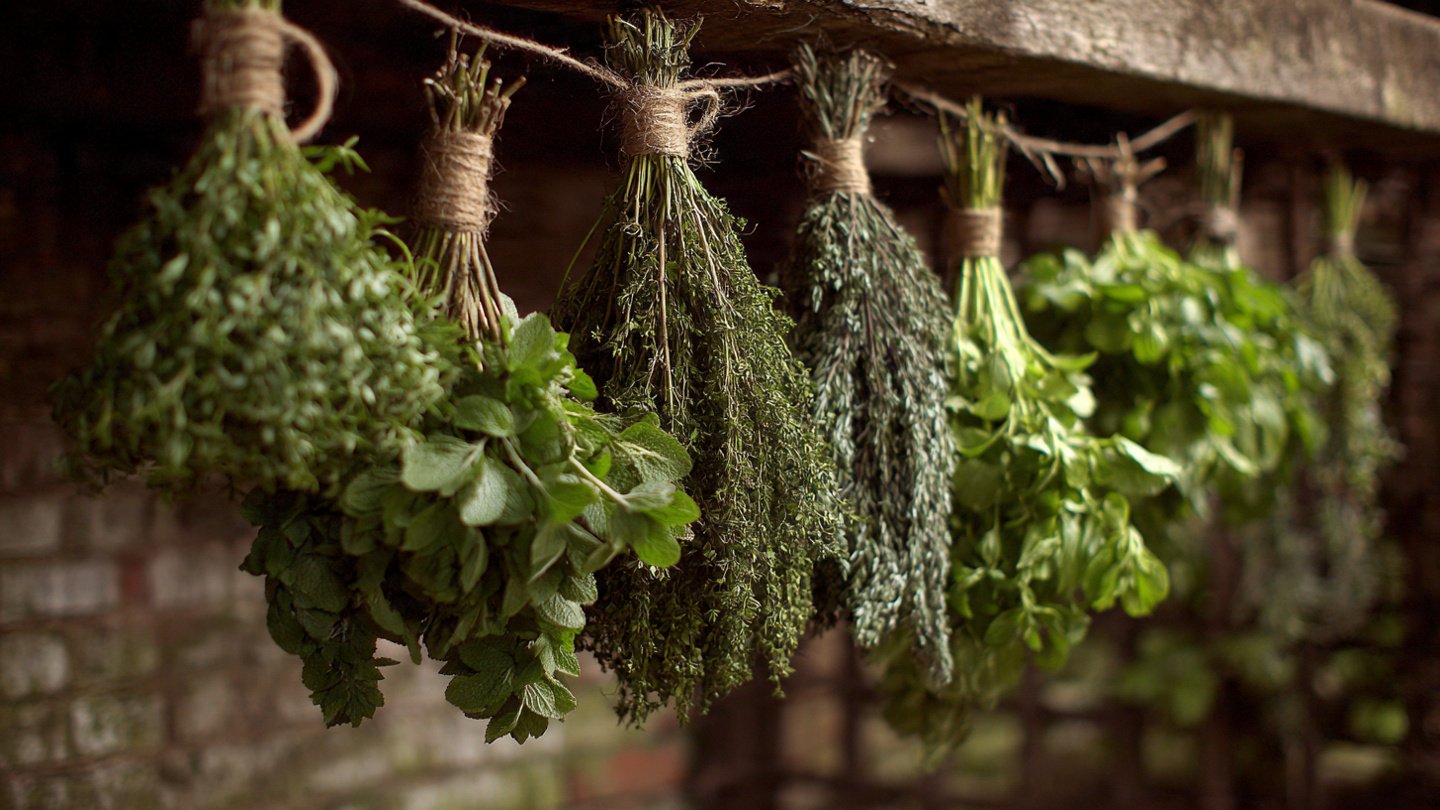
This traditional method involves hanging herbs in bundles in a well-ventilated, dry area. While air drying is gentle and retains more essential oils than other methods, prolonged exposure to light and air can still lead to some volatile compounds dissipating.
Oven Drying
Drying herbs in an oven can be quick and efficient, but it often exposes the herbs to higher temperatures. This process can not only evaporate the essential oils quickly but can also degrade the aromatics, leading to a more muted scent.
Microwave Drying
Microwave drying is a faster option but can be particularly harsh on delicate herbs. The rapid heating can cause the essential oils to evaporate almost instantaneously, resulting in herbs that lose much of their original aroma.
Dehydrators
Food dehydrators provide a controlled environment for drying. While they are generally better than ovens for retaining flavor and aroma, they can still lead to some loss of essential oils if the temperature is too high.
3. Oxidation and Degradation
Even after drying, herbs are not immune to changes that lead to further loss of aroma. Over time, exposure to air (oxygen) can cause essential oils to oxidize. Oxidation can significantly alter the chemical structure of these compounds, leading to a loss of aroma and potential changes in flavor.
Additionally, the breakdown of certain compounds can create unwanted odors, further diminishing the overall sensory experience of the dried herbs. This is why it is essential to store dried herbs in airtight containers, away from light and heat.
4. Factors Influencing Aroma Loss
Several factors beyond the drying method can contribute to the loss of scent in dried herbs:
Freshness at Harvest
The time of harvest significantly impacts the aroma. Herbs should ideally be harvested when they are at their peak in terms of oil content, often just before they begin to flower. Harvesting too late can lead to a decrease in essential oils, impacting the aroma even before the drying process begins.
Environmental Factors
Growing conditions, including soil quality, climate, and season, can influence the concentration of volatile compounds in herbs. Herbs that thrive in poor soil may produce higher concentrations of oils as a survival mechanism, resulting in a stronger aroma.
Plant Maturity
The age of the plant at the time of harvest matters. Younger, more tender herbs often contain higher levels of aromatic compounds compared to older plants that have begun to mature and develop woody textures.
5. Tips for Retaining Aroma in Dried Herbs
While some loss of scent is inevitable during the drying process, there are methods to help maximize the retention of aromas and flavors:
1. Choose the Right Time to Harvest
Harvesting in the morning, just after the dew has evaporated but before the sun reaches its peak, ensures that the essential oils are most concentrated.
2. Use Gentle Drying Methods
Opt for air drying or use a food dehydrator at low temperatures to avoid the rapid loss of volatile compounds.
3. Store Properly
Store dried herbs in airtight containers away from light, heat, and humidity. Glass jars or vacuum-sealed bags are excellent options for preserving their aromas.
4. Grind Sparingly
If you use dried herbs in a powdered form, grind them just before use. Grinding exposes more surface area to air, leading to quicker oxidization and aroma loss.
5. Experiment with Storage Times
Different herbs have varying shelf lives when dried. Keep track of when you dry each batch and use them within a specified time frame for maximum aroma retention. Generally, dried herbs should be used within 6-12 months.
6. Conclusion
Understanding why herbs lose their scent after drying can help you make informed choices in both harvesting and preserving them. From the specific drying method employed to the storage conditions, numerous factors come into play that determines the final aroma and flavor of dried herbs.
By employing gentle drying methods, harvesting at the right time, and storing them correctly, you can greatly enhance the retention of the herbal scents that are so treasured in cooking and herbal remedies. Whether you grow your own herbs or buy them, taking the time to understand these nuances will elevate your culinary experiences and ensure that your dried herbs keep their aromatic essence for as long as possible.