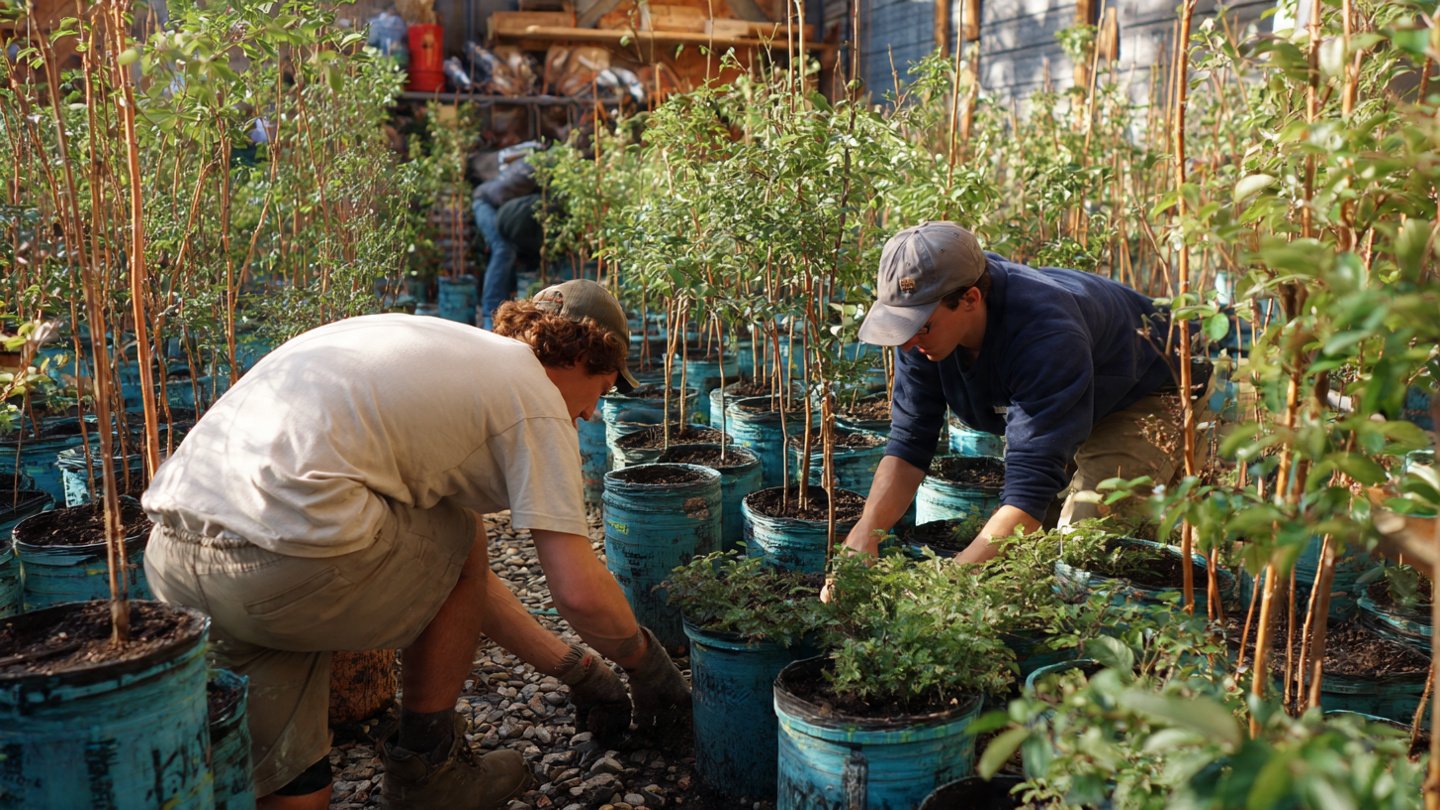

In recent years, there has been a noticeable trend among gardeners, especially those passionate about growing fruit trees, toward using air pruning pots. These innovative containers have gained popularity due to their ability to significantly improve plant growth and health. But what exactly are air pruning pots, and why are so many gardeners opting for them? In this article, we’ll delve into the mechanics of air pruning, the benefits of using these pots for fruit trees, and practical considerations for gardeners looking to adopt this technique.
Understanding Air Pruning Pots
Air pruning pots are specially designed containers that encourage healthy root development through a process called air pruning. Conventional pots typically contain smooth sides, which can cause roots to circle around the inside of the pot when they reach the edges, leading to root binding and stunted growth. However, air pruning pots usually feature a series of openings or perforations. These allow air exposure to the roots.
When a root tip reaches the edge of the pot and encounters airflow, it is essentially “pruned” by drying out. This triggers the plant to develop more fibrous roots closer to the center of the pot rather than allowing one large, dominant root to grow. The result is a robust root system that supports healthier foliage and fruit production.
Benefits of Air Pruning Pots for Fruit Trees
- Enhanced Root Development
The primary advantage of air pruning pots is that they promote a healthier and more efficient root system. Research has shown that plants grown in these pots develop a denser network of fine roots, which enhances water and nutrient uptake. For fruit trees, a well-developed root system can mean larger yields, better stress tolerance, and overall enhanced vigor.
- Improved Drainage and Aeration
Air pruning pots are designed to optimize drainage and aeration, preventing water from accumulating and roots from becoming waterlogged. Good drainage is particularly vital for fruit trees, which can be susceptible to root rot if the soil remains too wet. The elevated aeration contributes not only to the longevity of the root system but also helps in promoting healthier soil biology.
- Reduced Transplant Shock
Transplant shock is a common issue that many gardeners face when moving plants from one location to another. Traditional pots can hinder root growth, making the transition stressful for the tree. However, thanks to the healthy root structures established in air pruning pots, trees are likely to experience less shock when transplanted. They adapt more quickly to new environments, ensuring that growth continues uninterrupted.
- Less Frequent Watering
With improved aeration and root health, plants grown in air-pruning pots often require less frequent watering compared to those in traditional pots. The increased surface area of the root system allows for more efficient absorption of moisture, which can be especially advantageous during dry spells. This makes air pruning pots appealing for gardeners looking to conserve water.
- Space Efficiency
Air pruning pots can be stacked, allowing gardeners to utilize vertical space effectively. This is particularly advantageous for those with limited outdoor area. By layering plants, especially dwarf or semi-dwarf fruit trees, gardeners can maximize their yield without needing an extensive plot of land.
- Sustainability
The use of air pruning pots aligns well with sustainable gardening practices. Many of these pots are made from recyclable materials, and their effectiveness in promoting healthy plants means that gardeners can reduce the need for chemical fertilizers and pesticides. The overall health of the ecosystem surrounding the fruit tree can be better maintained.
Practical Considerations for Gardeners
- Choosing the Right Size
When selecting air pruning pots, size matters. The pot size should correspond to the age and size of the tree. Young trees may thrive in smaller pots as they establish their roots, but as they grow, a larger pot will be necessary to accommodate further development. Keep in mind that a pot that is too large may encourage excessive vegetative growth at the expense of fruit production.
- Soil Composition
The type of soil used in air pruning pots is crucial. A well-draining mix with organic matter is ideal, as it promotes aeration and provides essential nutrients. Many gardeners opt for a mix tailored specifically for fruit trees, ensuring that it contains the necessary amendments to support optimal growth.
- Water Management
Even with the benefits of air pruning pots, gardeners must still monitor their watering practices. While less frequent watering may be possible, it’s essential to ensure that the soil remains moist but not waterlogged. Adjusting watering schedules according to temperature and season will yield the best results.
- Monitoring Growth
Inspect the fruit trees regularly for signs of stress or nutrient deficiencies. Well-established root systems will show signs of vigorous growth, but early detection of issues can prevent larger problems down the line. Consider utilizing organic fertilizers if growth seems slow or if foliage appears discolored.
- Transplanting Techniques
If you plan to move your fruit tree to a permanent garden location after growing it in an air pruning pot, timing is key. Transplanting should be done during cooler months, preferably in spring or fall, to reduce stress on the tree. When moving the tree, take care to preserve the integrity of the root ball to mitigate transplant shock.
Challenges and Limitations
While air pruning pots offer several advantages, there are challenges to consider:
- Initial Cost
Air pruning pots can be more expensive than traditional pots. However, many gardeners view this as a worthwhile investment due to the long-term benefits associated with healthier plants and potentially increased yields.
- Availability
While increasingly popular, air pruning pots may not be available everywhere. Gardeners may need to source them online or through specialized gardening stores, particularly in areas where conventional gardening practices dominate.
- Temperature Sensitivity
In extremely hot climates, the exposure of roots to air can lead to overheating, which can stress the plant. It’s essential to monitor conditions and provide adequate shade and watering as necessary.
Final Thoughts
Air pruning pots have transformed the way many gardeners approach the cultivation of fruit trees. With their ability to enhance root development, improve drainage, reduce transplant shock, and promote sustainable practices, it’s no wonder that they have gained widespread acceptance among gardening enthusiasts. While they come with their own set of challenges, the benefits far outweigh the drawbacks for many.
As gardeners become increasingly aware of the impact that healthy roots have on fruit production, the use of air pruning pots is likely to grow. Whether you’re a novice looking to start your first fruit tree or an experienced gardener aiming for better yields, exploring the potential of air pruning pots could be a game-changer for your gardening endeavors.
In essence, air pruning pots offer a modern solution to age-old gardening challenges, marrying traditional practices with innovative techniques to cultivate thriving fruit trees.