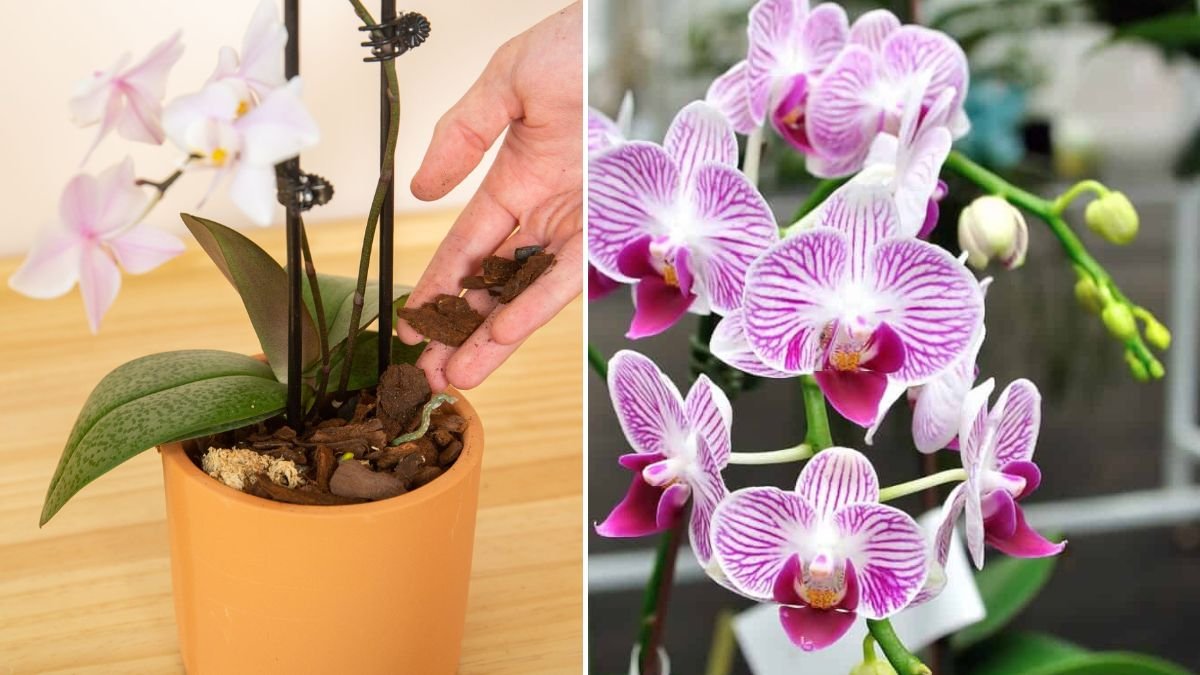

Why Orchids Are Unique
Orchids are different from most other plants in several key ways. Their roots are designed to absorb moisture and nutrients from the air rather than soil. Their flowers can last for several weeks, but poor care can shorten this period dramatically. Orchids follow a specific growth cycle: a dormant phase where they store energy, a vegetative phase of leaf and root growth, and a blooming phase. Each stage requires slightly different care, which makes understanding their natural needs crucial for longer-lasting blooms.
Provide the Right Light
Light is one of the most critical factors for [FOCUS KEYWORD]. Orchids need bright, indirect light to fuel photosynthesis, which supports both new growth and flower production. Too little light can prevent blooming, while too much direct sunlight can scorch their leaves.
Tips for providing optimal light:
- Place orchids near east- or west-facing windows where they receive bright, filtered light.
- Use sheer curtains on south-facing windows to prevent leaf burn.
- Monitor leaf color: light to medium green indicates good light, while dark green may suggest insufficient light.
- For low-light situations, consider supplementing with a grow light designed for orchids.
Correct lighting ensures the plant has enough energy to produce strong, long-lasting blooms and vibrant leaves.
Water Smartly
Watering is another cornerstone of orchid health. Overwatering is the most common cause of root rot, which can severely impact flowering. Most orchids prefer to dry slightly between waterings, depending on their environment, potting medium, and season.
Watering guidelines:
- Check the potting medium: water when the top inch feels dry.
- Water thoroughly, allowing excess to drain completely.
- Use lukewarm, filtered, or rainwater to prevent salt buildup.
- Water early in the day so leaves and roots dry before night.
Typically, watering once a week is sufficient, but adjust based on humidity, temperature, and the specific orchid species. Proper watering supports root health, which in turn helps the plant sustain blooms for longer periods.
Maintain Ideal Temperature and Humidity
Orchids thrive in climates with warm days, cooler nights, and high humidity. Mimicking these conditions in your home can dramatically improve bloom longevity.
Temperature tips:
- Maintain daytime temperatures around 65–80°F (18–27°C).
- Nighttime temperatures should drop slightly (by about 10°F or 5°C) to encourage flowering.
Humidity and airflow:
- Aim for 40–70% humidity; use a humidifier, humidity tray, or group plants together.
- Ensure good airflow to prevent fungal infections, using gentle fans or occasional open windows.
- Avoid water accumulation in the crown or on flowers, which can lead to rot.
Creating a stable tropical microclimate helps orchids thrive and supports blooms that last longer than in typical household conditions.
Fertilize for Strong Blooms
Fertilization is a key component of [FOCUS KEYWORD], as it provides essential nutrients for both growth and flowering. Orchids are light feeders but benefit from regular, balanced fertilization during active growth and blooming.
Fertilization tips:
- Use orchid-specific fertilizers, such as a 20-20-20 formula.
- Apply at quarter to half strength every 2–4 weeks during active growth.
- Avoid fertilizing dormant orchids in winter.
- To encourage bloom production, consider a fertilizer higher in phosphorus during pre-bloom phases.
The “weakly, weekly” approach ensures that nutrients are available without causing salt buildup, which can stress delicate roots. Balanced feeding contributes to more robust flowers and healthier plants overall.
Repot and Care for Roots
Healthy roots are the foundation for orchids that bloom longer. Orchids absorb moisture and nutrients through their roots, so maintaining healthy root systems is critical.
Repotting guidelines:
- Repot every 1–2 years or when the medium breaks down.
- Best time to repot is after flowering and as new growth begins.
- Use a well-draining orchid mix of bark, moss, perlite, or charcoal.
- Trim dead or rotting roots during repotting.
- Choose pots with drainage holes and avoid planting too deeply.
Refreshing the potting medium reduces disease risk, ensures better nutrient uptake, and supports strong, long-lasting blooms.
Prune and Manage Flower Spikes
How you handle flower spikes after blooming can affect the plant’s future flowers.
- If the spike remains green, trim above a lower node to encourage potential reblooming.
- If the spike turns brown or yellow, remove it at the base to allow the plant to focus energy on roots and leaves.
This careful pruning ensures the orchid allocates resources effectively, promoting healthier blooms in subsequent cycles.
Prevent Pests and Diseases
Even with optimal care, pests and diseases can shorten bloom life. Regular inspection and preventative care are essential.
Common threats:
- Aphids, mealybugs, scale, and spider mites can harm orchids if untreated.
- Overwatering and stagnant air can cause fungal issues like root rot.
- Cleaning leaves helps maintain photosynthesis and prevents disease.
Early detection and proper treatment help maintain orchid health, ensuring that flowers last as long as possible.
Bonus Tips for Longer Bloom Periods
- Rotate orchids periodically for even light exposure.
- Avoid sudden temperature changes near heaters, vents, or drafty windows.
- Remove faded flowers promptly to prevent energy loss.
- Keep orchids in clean pots and environments to reduce stress and disease risk.
Following these additional steps supports overall plant health and extends bloom longevity.
Why This Matters
Orchids that stay healthy and bloom longer provide a more rewarding gardening experience. Vibrant flowers lasting several weeks enhance home aesthetics, while a strong, healthy plant reduces frustration and maintenance issues. Understanding their natural growth requirements, combined with careful monitoring and consistent care, ensures a cycle of continuous blooms.
Suggested Authoritative Sources
For further guidance and detailed orchid care techniques, these reputable sources provide in-depth advice:
- Gardeners Brockley – Secrets to Long-Lasting Orchid Blooms (gardenersbrockley.org.uk)
- Gardeners Harold Hill – Orchid Care for Healthy Growth and Blooms (gardenersharoldhill.org.uk)
- Flowers Online – Strategies to Keep Orchids Blooming (flowersonline.org.uk)
- The Spruce – Pruning Orchid Flower Spikes (thespruce.com)
These sources provide scientifically backed and practical advice for both beginners and experienced growers.
Final Thoughts
The secret to orchids that stay healthy and bloom longer is not a single technique, but a combination of attentive care practices that mimic their natural tropical environment. By providing appropriate light, precise watering, proper humidity, balanced fertilization, root care, pruning, and pest management, your orchids can thrive and reward you with stunning, long-lasting flowers. With consistent and informed care, even novice gardeners can enjoy the beauty and elegance of orchids throughout the year.