
Why the First Steps Matter
Plants, especially seedlings and young transplants, are at their most vulnerable during the early stages of growth. Strong roots, proper nutrients, and favorable growing conditions ensure they can withstand environmental stresses, resist pests, and develop into productive, healthy specimens. Neglecting these early requirements often leads to weak, stunted plants that struggle to survive or produce blooms and fruits.
For casual gardeners, focusing on foundational care rather than perfection is ideal. By getting the basics right from the start, you can minimize ongoing maintenance while still enjoying a vibrant, productive garden.
Choosing the Right Soil and Compost
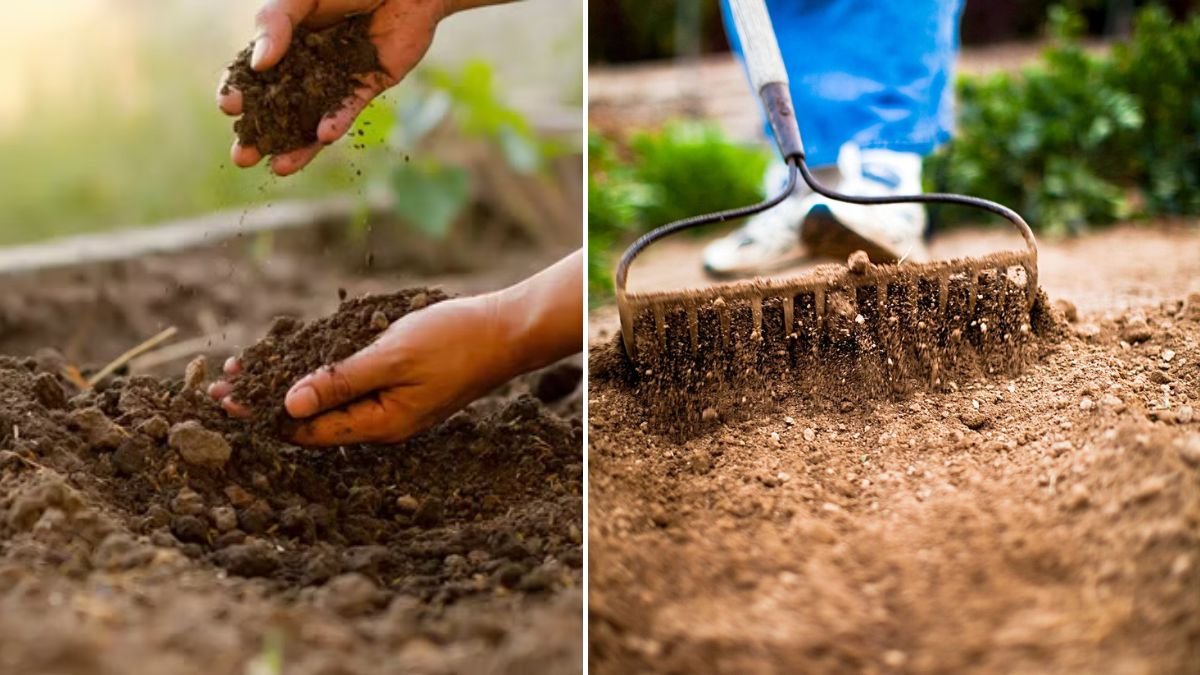
One of the most important factors for young plants is the soil they grow in. Using high-quality compost can make a dramatic difference in seed germination, root development, and overall plant health.
- Seedlings: Use a light, airy seed compost that drains well. Heavy soils can compact easily, restricting root growth and leading to weak, leggy seedlings.
- Transplants: For young plants being moved outdoors, enrich garden soil with well-rotted compost or aged manure. This improves soil structure, supports moisture retention, and provides essential nutrients for rapid early growth.
The goal is to create an environment where roots can expand freely, absorb nutrients efficiently, and establish strong anchorage. This early boost often determines how resilient and productive your plants will be throughout the season.
Sunlight and Location: The Basics of Plant Placement
Selecting the right spot for your plants is crucial. Most vegetables, flowers, and herbs require at least six to eight hours of sunlight per day to grow vigorously. Adequate sunlight allows plants to photosynthesize efficiently, promoting healthy leaves, strong stems, and vibrant blooms.
- Garden beds: Choose a sunny, sheltered area that avoids heavy wind or frost pockets.
- Containers: For balcony or patio gardens, position pots where they will receive maximum sun exposure.
- Raised beds: If soil quality is poor, raised beds offer improved drainage and the ability to amend soil more easily while optimizing light exposure.
Understanding your garden’s light patterns and matching plants to suitable conditions ensures that your plants get off to the best possible start.
Start with Beginner-Friendly Plants
For casual gardeners, choosing plants that are forgiving and easy to grow makes early gardening efforts more successful. Some examples include:
- Herbs: Basil, parsley, and mint germinate quickly and tolerate minor mistakes.
- Vegetables: Lettuce, radishes, and beans grow fast and are less sensitive to soil conditions.
- Flowers: Marigolds, sunflowers, and zinnias are hardy, visually rewarding, and encourage pollinators.
Selecting plants appropriate for your climate and garden conditions helps ensure early successes, boosting confidence and enjoyment in your gardening journey.
Watering Wisely
Watering is one of the most critical elements for giving plants a strong start. Young roots need consistent moisture, but overwatering can be more damaging than underwatering.
- Morning watering: Helps reduce evaporation and ensures plants have moisture through the day.
- Check soil moisture: Slide a finger an inch into the soil. If it feels dry at that depth, it’s time to water.
- Deep, infrequent watering: Encourages roots to grow deeper, making plants more resilient to drought later on.
By adopting these habits, you can maintain soil moisture at optimal levels without wasting water or risking root disease.
Seed Starting and Transplant Tips
Starting plants from seed allows for careful control over the growing environment, increasing the likelihood of success.
- Use quality seed compost: Light, nutrient-balanced mixes encourage root development and strong shoots.
- Maintain warmth: Cold soil slows growth. Seed trays, propagation domes, or cloches can help maintain consistent temperatures.
- Harden off seedlings: Gradually introduce them to outdoor conditions over 5–7 days to reduce transplant shock.
These steps protect young plants during their most vulnerable stages and lay the foundation for robust growth.
Mulching for Early Success
Mulching provides multiple benefits for young plants. A 2–3 inch layer of organic material such as straw, wood chips, or shredded leaves helps:
- Retain soil moisture
- Moderate soil temperature
- Suppress weeds
By reducing stress on young plants, mulch allows them to focus energy on root and shoot development, establishing a stronger presence in your garden.
Simple Maintenance: Pruning and Deadheading
Even casual gardeners benefit from occasional pruning and deadheading:
- Pruning: Light trimming encourages new growth and prevents overcrowding.
- Deadheading: Removing spent flowers redirects energy into fresh blooms and healthier stems.
These minimal interventions promote vigorous growth and improved plant health without requiring intensive effort.
Pest and Disease Awareness
Early detection of pests and diseases can prevent minor issues from becoming major problems. Regularly inspect leaves and stems for signs of damage, and use gentle controls, such as neem oil or insecticidal soap, when necessary. Preventive measures—good air circulation, proper spacing, and clean tools—also reduce the risk of infection and keep plants thriving.
The Casual Gardener Advantage
Casual gardeners approach gardening with flexibility and curiosity, prioritizing simple, effective techniques over perfection. By focusing on foundational steps like soil preparation, proper placement, watering, and beginner-friendly plants, casual gardeners can enjoy a low-stress gardening experience while still achieving healthy, productive gardens.
These fundamental habits provide a strong start for plants and reduce the need for constant attention, making gardening more enjoyable and accessible for anyone.
Suggested Authoritative Sources
For additional guidance and reliable gardening tips:
- Irish News – Casual Gardener: Give Your Plants the Best Start in Life – Practical tips for seed starting and soil preparation. (irishnews.com)
- Gardeners Hayes – Gardening 101 – Insights for beginner-friendly planting and garden care. (gardenershayes.org.uk)
- Almanac – 10 Tips for Beginner Gardeners – Classic guidance on soil, watering, and seasonal planning. (almanac.com)
- Gardeners Highbury – 9 Fundamental Gardening Tips – Covers mulching, pest management, and maintenance. (gardenershighbury.org.uk)
Conclusion
Giving plants the best start in life doesn’t require complicated techniques or expensive equipment. By focusing on foundational steps—quality soil and compost, proper placement, consistent watering, and light maintenance—you can create strong, healthy plants that thrive with minimal effort.
Casual gardeners who implement these [FOCUS KEYWORD] strategies enjoy a rewarding gardening experience, seeing early successes without constant intervention. Every seed, every watering, and every small adjustment contributes to a garden that grows naturally, resiliently, and beautifully throughout the season.
Starting plants right sets the stage for a lifetime of lush growth, bountiful harvests, and vibrant blooms—proving that even with a relaxed approach, a strong foundation makes all the difference.