Someone Else's Prayers Live in That Bell: Finding Altar Gold at Estate Sales and Thrift Stores
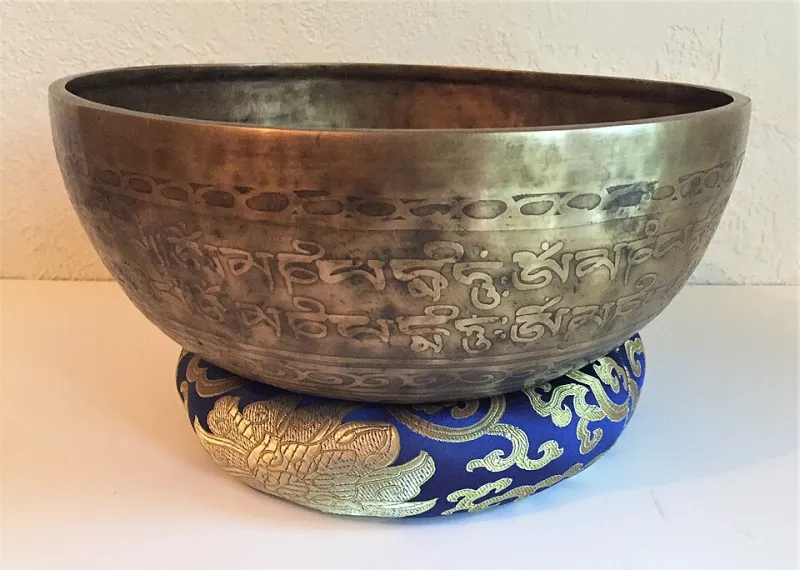
The brass bell showed up at a rummage sale in a church basement in Minneapolis, sitting between a fondue set and a box of Christmas ornaments. Three dollars. The woman running the cash box said it came from an estate in Frogtown — a whole houseful of things, no family left to keep them.
I bought it because it rang true, that clear, sustained hum that singing-bowl people talk about. But I kept it because of the patina: the darkened patches where fingers had gripped it, maybe for decades, maybe every morning. Somebody prayed with this thing. Somebody's rituals ran through it like a current through wire.
There's a growing quiet movement of people building altars this way — not from the polished catalog page, but from estate sales, church rummages, Goodwill shelves, and the cardboard boxes in Grandma's attic that nobody wants to claim. And here's the argument they're making: an object that has already been loved into service may carry more spiritual weight than anything you can order new.
The Case for Objects With a Past
Most spiritual traditions, across most of history, did not buy their ritual objects new. A Buddhist practitioner might receive a mala from a teacher. A Catholic family passes down a rosary worn smooth by two generations of thumbs. A person grieving a parent keeps the candle holder from their mother's altar because the object holds the memory of the practice itself.
We've largely forgotten this in the American marketplace, where spiritual goods arrive shrink-wrapped and smelling of nothing but cardboard. The new meditation cushion is fine. The machine-made statue is fine. But there's a difference between an object that was manufactured and an object that was used — used the way a well-worn hymnal is used, the way a favorite coffee mug is used, with all the accumulated intention that implies.
There's also the practical, progressive-politics angle that regular readers of this site will recognize: buying second-hand keeps money out of the fast-spirituality pipeline. Every year, enormous quantities of mass-produced "sage," plastic Buddha statues, and stamped-out brass deities ship into the US, often from supply chains nobody can trace. Choosing a pre-loved object sidesteps that entire machine. No new resources extracted, no factory, no freight container. Just an object continuing its life.
And for a lot of us, the budget is real. A hand-carved statue new might run two hundred dollars. At a Vermont estate sale, I've seen comparable pieces go for the price of lunch.
The Hunters
Talk to people who furnish their practice this way and certain patterns emerge.
Maria, a hospice chaplain in Albuquerque, has built her entire home altar from estate sales — a practice she started after sitting with dying clients who, near the end, always spoke about objects, never purchases. "Nobody ever said, 'I wish I'd bought more things new in the box,'" she told me. "They said, 'That little dish was my grandmother's.' That changed how I shop. Or hunt, I guess I'd call it."
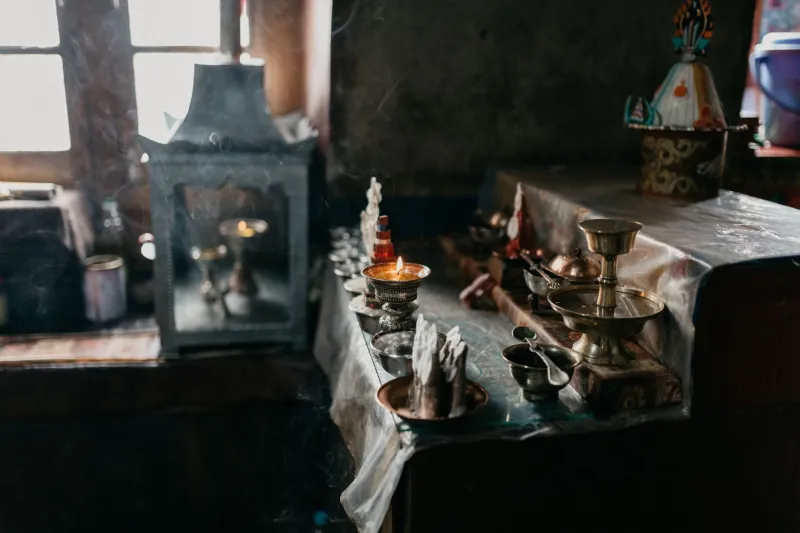
Her advice: go early, go often, and look in the weird sections. Ritual objects hide in plain sight at thrift stores — candle holders in the housewares aisle, bells in with the Christmas stuff, incense holders mislabeled as spoon rests. Estate sales are richer territory because the objects are still arranged the way their owner arranged them, sometimes still on a shelf that functioned as an altar, which tells you something about how they were honored.
Then there's the family attic, which is its own kind of estate sale. If you have elders in your life, ask them what's in the boxes they never open. Half the inherited objects people bring to our community events came from exactly there — a uncle's prayer beads, a mother's confirmation candle, a cloth nobody could identify but everybody agreed felt important.
What to Do When It Arrives With an Unknown History
Okay, but let's say you're not comfortable placing a thrift-store statue on your altar as-is. Fair. Here's a practical sequence, drawn from conversations with practitioners across several traditions, for receiving a second-hand object well.
1. Clean it physically first. Warm water, mild soap, a soft cloth. This is basic respect — you're not performing a ritual on grime. For materials that can't take water (raw wood, certain stones, paper), use a dry brush or simply sunlight and fresh air.
2. Sit with it before you decide anything. Hold the object. Notice what comes up. Some people feel a clear resonance; some feel nothing; some feel something heavy. All three are information. An object that feels wrong in your hands doesn't need to go on your altar — and it also doesn't need to go in the trash. It can be returned, donated, or passed to someone for whom it will sing.
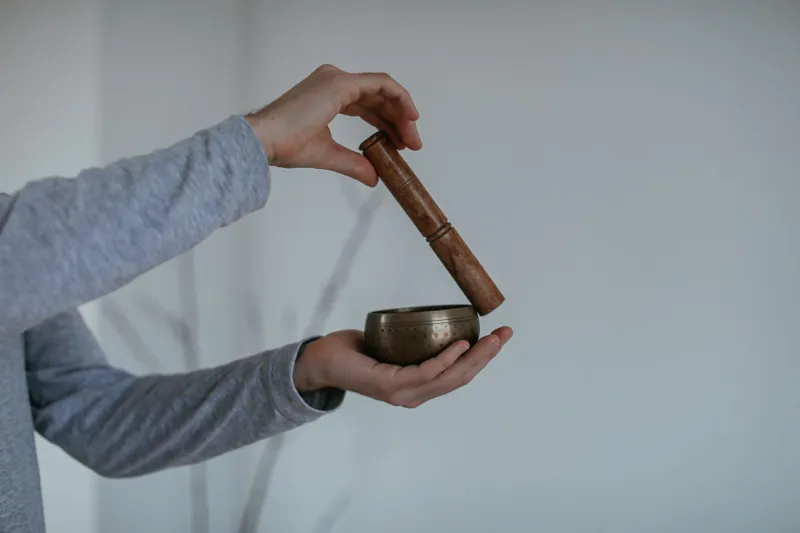
3. Choose a cleansing practice that matches your tradition or instincts. Common options: smoke (incense works fine if you don't have access to ethically sourced sage or palo santo — and honestly, given the overharvesting problems with both, incense is often the more ethical call), moonlight, sound from a bell or bowl, or simply a period of quarantine on a windowsill while you decide. There's no universal rule here. The cleansing matters less as a magical technology and more as a threshold: you are formally marking the moment this object enters your care.
4. Consecrate it with use. The old-timers' secret is that objects become sacred through relationship, not ceremony. Ring the bell daily. Light the candle. Pour water into the offering dish. Within a few weeks, the thrift-store object stops being a thrift-store object and starts being yours — or perhaps more accurately, you become one of the people whose prayers live in it, joining whoever came before.
5. Acknowledge the unknown. Some people like to say a few words aloud — something as simple as, "I don't know who used you before, but I honor them, and I'll honor you." It sounds small. It does something to the room.
A Note on Cultural Objects
One caveat deserves its own paragraph. If you come across items tied to closed traditions — Indigenous ceremonial objects, certain initiatory items, sacred texts from traditions you don't practice — the respectful move is usually not to buy them at all, even second-hand. Some things circulate in estate sales because they were never meant to. When in doubt, seek guidance from members of the tradition in question, or contact repatriation programs. Second-hand doesn't automatically mean ethical; it just means previously purchased.
The Altar as a Biography
Here's what I've come to believe about the bell from the Frogtown estate: its power isn't mystical residue or anything I could prove to a skeptic. It's that its history keeps me humble. When I ring it, I'm aware that I'm one hand in a chain of hands. That awareness — of continuity, of belonging to something longer than my own lifespan — is the actual practice. A brand-new object asks nothing of me. A second-hand one asks me to be a link.
So the next time you're tempted to click "add to cart" on something for your altar, consider the church basement first. The fondue set is a gamble. But somewhere between the ornaments and the old dishes, there's usually a bell, a cloth, a candle holder that's been waiting — rung by strangers, worn by devotion, three dollars, and ready to sing again.