Honoring the Dead Without Stealing the Sacred: A Real Talk Guide to Ancestral Veneration
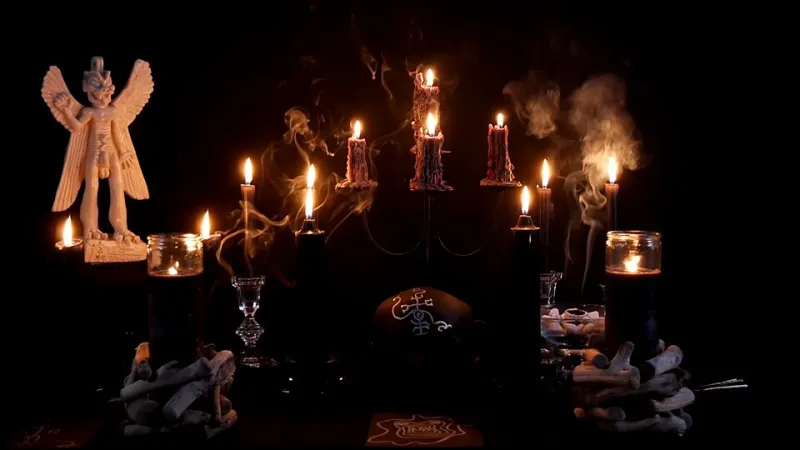
Photo: Behemoth-X (creator and owner of the altar); Ony Yahontov (taker of the photo)., CC BY-SA 3.0, via Wikimedia Commons
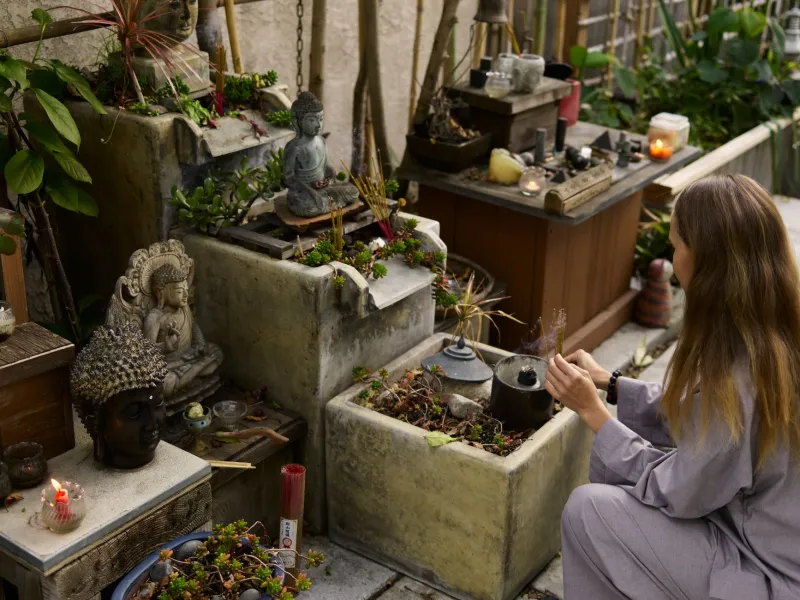
Scroll through spiritual TikTok or Pinterest for about five minutes and you'll find them everywhere: carefully arranged shelves with black-and-white photographs, small glasses of water, candles in deep jewel tones, maybe a few flowers and a crystal or two. The caption usually says something like "setting up my ancestor altar ✨" — and the post has thousands of likes.
There's something genuinely beautiful about that impulse. Americans are lonelier than ever, increasingly disconnected from lineage and place, and reaching toward something that feels older and more rooted than the next productivity app. Wanting to remember your people — to feel held by those who came before — is not a trend. It's a deeply human need.
But here's the thing: ancestor veneration isn't a vibe. It's a living, breathing spiritual practice that belongs to specific communities, carries specific protocols, and in many traditions, carries real consequences when done carelessly. So before you buy the candles, let's actually talk about this.
Where These Practices Come From — and Why That Matters
Ancestor veneration isn't one thing. It shows up across cultures in ways that are related but meaningfully distinct.
In Haitian Vodou, the relationship with ancestral spirits — the lwa — is intimate, reciprocal, and governed by a complex spiritual framework that takes years of initiation to understand. An altar isn't decoration; it's an active site of communication and obligation. Practitioners work with specific lwa who have specific tastes, offerings, and protocols. Getting it wrong isn't just aesthetically off — it can be spiritually disruptive.
Chinese folk religion and Confucian ancestral rites center on the idea that the dead continue to need care from the living. Ancestral tablets, incense, and food offerings aren't symbolic gestures — they're maintenance. The relationship between living descendants and dead ancestors is mutual and ongoing. In many families, these practices are tied to specific regional customs, clan histories, and festival calendars that outsiders simply don't have access to.
In African diaspora traditions — including Candomblé, Lucumí/Santería, and various forms of Hoodoo — ancestral work is foundational. Before you work with any spirit or deity, you work with your own dead. The egungun in Yoruba tradition, for example, represents the collective ancestral force and is treated with enormous reverence. These are not practices you pick up from a YouTube tutorial.
And even in Indigenous North American traditions, ancestor relationships are embedded in specific ceremonial contexts, tribal protocols, and relationships with land that outsiders — even well-meaning ones — simply cannot replicate by assembling an altar.
The Difference Between Inspiration and Appropriation
Here's where it gets nuanced, because not everyone engaging with ancestral practices is appropriating. The question isn't where did this come from — it's how am I engaging with it, and at whose expense?
Appropriating looks like: lifting the aesthetics of a tradition without acknowledging its source, claiming spiritual authority you haven't earned, commercializing sacred objects from communities that have been historically exploited, or using another culture's grief practices as a backdrop for your personal brand.
Respectful engagement looks like: learning the actual history and context of a practice before adopting any part of it, supporting practitioners and communities from that tradition (financially and otherwise), being honest about what you don't know, and when possible, seeking direct guidance from initiated practitioners or cultural insiders.
If you're of African, Caribbean, Asian, or Indigenous descent, you may have direct ancestral lineage to these traditions — and reclaiming them is a different conversation entirely. Diaspora reclamation is not the same as appropriation, and conflating the two does harm to communities actively working to recover practices that were violently suppressed.
So What Can You Actually Do?
If you're a White American or someone without direct lineage to a specific tradition, you're not locked out of ancestral practice — but you do need to start closer to home.
Start with your own bloodline. Most European lineages have ancestral folk practices that have been largely forgotten — Celtic, Slavic, Germanic, and Scandinavian traditions all include forms of ancestor honoring. Those practices belong to you. Dig into them.
Work with what you actually know. A photograph of your grandmother, her favorite tea, a candle you light when you want to feel her near — that's real. It doesn't need a label from another culture's tradition to be meaningful.
Seek education before aesthetics. If you feel genuinely drawn to a specific tradition — say, you've been in a Lucumí community for years, or you have Haitian ancestry you're reconnecting with — find a teacher, not a trend. Look for community organizations, initiated practitioners who offer education, and books written by insiders rather than outsiders.
Support the source communities. If you're buying items that come from a specific tradition, buy from makers and practitioners within that tradition. This is exactly what a marketplace rooted in conscious commerce exists to support — the direct economic relationship between buyers and the communities whose culture they're drawing from.
The Deeper Point
Ancestral practice, at its core, is about relationship — with the dead, with lineage, with the ongoing story of where you came from. That's not something you can shortcut with a curated shelf.
The most powerful thing you can do, whatever your background, is get honest about your actual history. That includes the beautiful parts and the painful ones. Many of us in America are descended from people who did harm as well as people who suffered it. Ancestral work that doesn't reckon with that is just nostalgia cosplay.
The dead don't need your Instagram. They need your attention, your honesty, and your willingness to do the actual work of remembering — even when that's uncomfortable.
That's the altar worth building.