Good Vibes Only Is a Lie: How Spiritual Practice Can Become a Way of Hiding

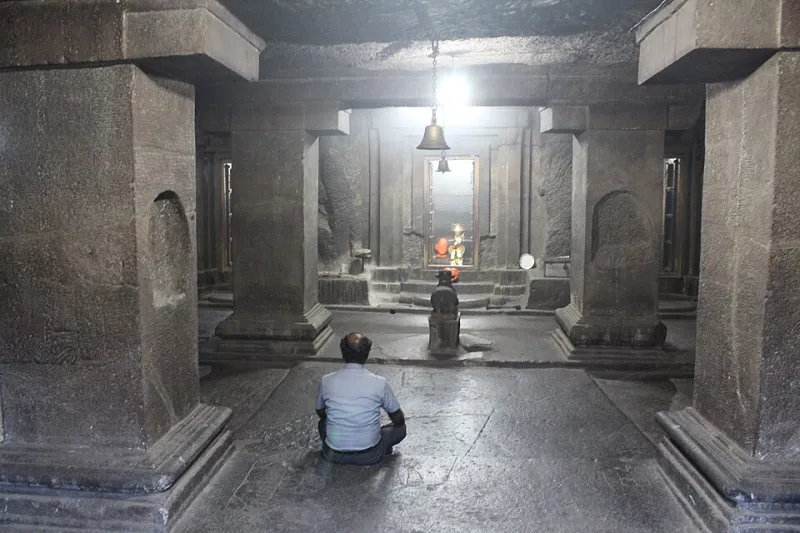
Photo: person meditating alone looking pensive introspective spiritual reflection, via img.freepik.com
Let's start with something a little uncomfortable: spiritual practice can be used to avoid real life just as effectively as Netflix, wine, or doom-scrolling. Maybe more effectively, because it feels so much more virtuous while you're doing it.
There's a term for this — spiritual bypassing — and psychotherapist John Welwood coined it back in the 1980s to describe the tendency to use spiritual ideas and practices to sidestep unresolved emotional issues, psychological wounds, and the messy, unglamorous work of actual change. Four decades later, in an era of $40 sound baths and manifestation masterclasses, it's worth revisiting with some real honesty.
This isn't an attack on meditation, or crystals, or the genuine comfort that ritual can offer. Those things matter. But if your practice is consistently steering you away from your life rather than more deeply into it, something has gone sideways.
What Bypassing Actually Looks Like
Spiritual bypass doesn't announce itself. It rarely feels like avoidance in the moment — it feels like peace, perspective, even enlightenment. That's what makes it slippery.
Some common forms it takes in American wellness culture right now:
Toxic positivity dressed up as high vibration. "I don't engage with low-vibe energy" sounds like a boundary. Sometimes it is. But sometimes it's a way of refusing to sit with grief, anger, or someone else's difficult truth. Real spiritual maturity doesn't mean you float above hard feelings — it means you can be present with them without being destroyed by them.
Manifestation as a substitute for structural analysis. The idea that you can think your way into wealth, health, and opportunity is seductive, especially in a country that loves a bootstrap story. But when manifestation culture implies that people living in poverty, chronic illness, or systemic discrimination simply haven't aligned their frequency correctly — that's not spirituality. That's victim-blaming with rose quartz on top.
Forgiveness weaponized against accountability. "I've forgiven and released it" can be one of the most powerful things a person says. It can also be a way to avoid confronting someone who actually harmed you, or to pressure others to "move on" from injustice before it's been named, addressed, or repaired. Forgiveness is an internal process. It is not the same as reconciliation, and it doesn't require pretending harm didn't happen.
Using inner work to opt out of outer work. The personal is political, and the reverse is also true. But there's a version of the "do your inner work" ethos that quietly suggests the most important thing you can do about racism, climate collapse, or economic inequality is raise your own consciousness. That's convenient. It's also incomplete.
Why This Happens — And Why It Makes Sense
Before we get too judgmental, let's be clear: spiritual bypassing isn't a character flaw. It's a very human response to pain, overwhelm, and a world that is, frankly, a lot to deal with right now.
For many people, especially those who came to spiritual practice through trauma or burnout, the appeal of a framework that promises peace, flow, and release is completely understandable. When life has been chaotic or painful, "let go and let God" or "trust the universe" can feel like the first breath of air you've had in years.
The problem isn't the relief. The problem is when relief becomes a permanent residence — when the spiritual community, the practice, the aesthetic of wellness becomes a bubble that insulates you from growth rather than supporting it.
How to Tell the Difference
Authentic spiritual practice tends to make you more present, more honest, and often more uncomfortable in the short term — because it asks you to see yourself and your world more clearly. Bypassing tends to make you feel better immediately while the underlying issue stays exactly where it was.
Some questions worth sitting with:
- When something painful or difficult comes up — a conflict, a failure, a news story that makes your stomach drop — does your practice help you move through it, or help you move away from it?
- Have you ever used spiritual language to dismiss someone else's anger or grief? ("That's just their ego," "They need to do their shadow work.")
- Does your community celebrate equanimity in ways that might actually be rewarding emotional numbness?
- Are there relationships, patterns, or responsibilities in your life that your practice consistently helps you not think about?
None of these questions have easy answers. That's the point.
What Real Practice Asks of Us
The contemplative traditions that many American wellness practices draw from — Buddhist mindfulness, Hindu philosophy, Indigenous ceremonial practice, Sufi mysticism — were never designed to make life more comfortable in a shallow sense. They were designed to make practitioners more awake. And being awake means seeing things as they are, not as we wish them to be.
That includes seeing our own avoidance. It includes sitting with grief long enough to actually grieve. It includes recognizing when "trust the process" is wisdom and when it's passivity. It includes understanding that justice, accountability, and repair are spiritual acts — not distractions from the real work, but the real work.
At Dharmatala Market, we talk a lot about conscious living. Consciousness isn't a destination you reach by meditating enough. It's a practice of staying honest — with yourself, with your community, with the world you're actually living in. Sometimes that means the altar and the journal and the morning ritual. Sometimes it means the hard conversation, the uncomfortable reckoning, the grief you've been putting off.
The good news is that a practice strong enough to hold all of that is a practice worth having. The vibes don't have to be good all the time for the work to be real.