
Introduction
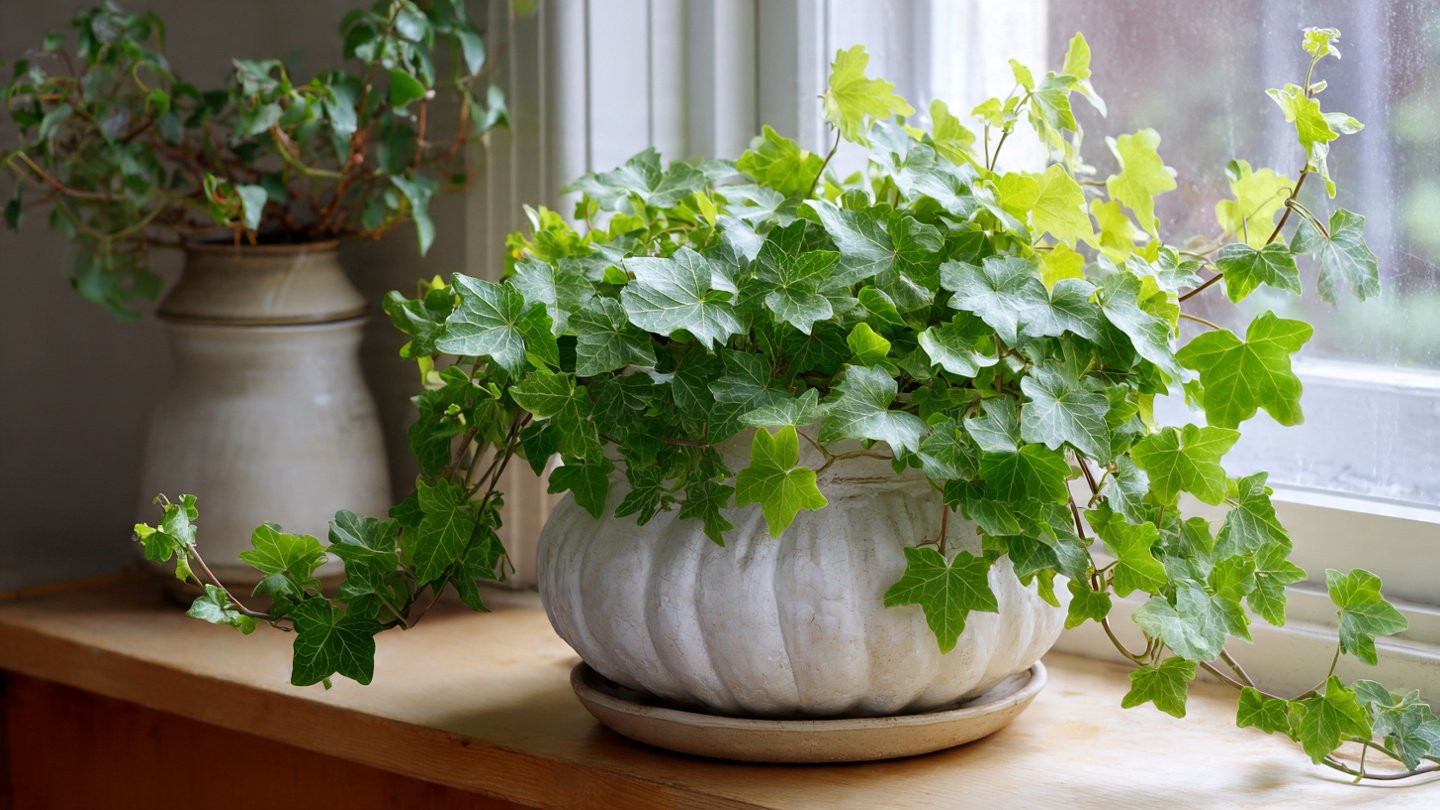
English ivy (Hedera helix) is a popular houseplant revered for its trailing vines and lush green foliage. While this plant may thrive outdoors in various climates, it often struggles when kept indoors. Recognizing the challenges and knowing how to address them can ensure the health and longevity of your ivy. This article will explore the common reasons your English ivy is struggling indoors and provide actionable steps to help revive it.
Common Issues Affecting Indoor English Ivy
1. Insufficient Light
One of the most common reasons for indoor ivy struggles is inadequate lighting. English ivy prefers bright, indirect sunlight. If your ivy is placed in a dark corner or shaded area, it may begin to exhibit symptoms of distress, such as yellowing leaves or stunted growth. Over time, insufficient light can lead to leggy growth as the plant stretches towards more favorable conditions.
2. Overwatering or Underwatering
Watering is another crucial factor influencing the health of your English ivy. Overwatering can lead to root rot, a serious condition exacerbated by poor drainage. Conversely, underwatering can stress the plant, causing leaf drop and wilting. The key is to maintain consistent moisture without allowing the plant to sit in soggy soil. Aim to water when the top inch of the soil feels dry to the touch.
3. Humidity Levels
English ivy thrives in a humid environment, making indoor conditions challenging, especially during winter when heaters are running. Low humidity can lead to dry, crispy leaf edges and overall poor plant health. Adding a humidifier or regularly misting your ivy can help create a more favorable environment.
4. Improper Soil Conditions
The type of soil used can significantly affect your ivy’s growth. English ivy prefers well-draining potting soil rich in organic matter. Compact or poor-quality soil can inhibit drainage and lead to root issues. Using a potting mix designed for houseplants or a combination of potting soil and perlite can promote better drainage and aeration for your ivy’s roots.
5. Pest Infestations
Indoor plants are susceptible to various pests, including spider mites, aphids, and scale. These pests can damage your English ivy, leading to discoloration, leaf drop, and stunted growth. Regularly inspecting your plant for signs of infestation and addressing any issues promptly is essential for maintaining its health.
6. Pot Size and Repotting Needs
As English ivy grows, it may become root-bound in its container, leading to stunted growth and poor overall health. If you notice roots growing out of the drainage holes or the plant seems pot-bound, it may be time to repot. Choose a slightly larger pot with fresh soil to encourage growth and revitalization.
Steps to Help Your Struggling English Ivy
1. Assess Light Conditions
Evaluate the light levels in your space. If your ivy isn’t receiving enough sunlight, consider moving it to a brighter location. A south or west-facing window can provide the ideal conditions. If direct sunlight is too harsh, use sheer curtains to diffuse the light.
2. Correct Your Watering Schedule
Monitor your watering habits closely. Ensure you water thoroughly when needed and allow the top inch of soil to dry out before the next watering. Investing in a moisture meter can help take the guesswork out of watering.
3. Increase Humidity
To boost humidity levels, consider placing your ivy on a pebble tray filled with water or grouping it with other plants to create a microclimate. Additionally, using a humidifier in the room can significantly improve conditions, especially during dry winter months.
4. Use Quality Soil
When repotting your English ivy, choose a high-quality potting mix formulated for houseplants. Look for soil that retains moisture while offering sufficient drainage. Mixing in perlite or coarse sand can enhance aeration and drainage capabilities.
5. Inspect for Pests
Regularly check your ivy for signs of pests. If you detect an infestation, treat it promptly with an insecticidal soap or neem oil spray. Ensure you follow label directions and reapply as necessary until the infestation is under control.
6. Repotting as Needed
To repot, gently remove your ivy from its current pot and inspect the roots. Trim any dead or rotting roots and place the plant into a larger pot with fresh potting mix, ensuring it is stable and positioned correctly before watering.
Conclusion
Providing the right care for your English ivy indoors can pose its challenges, but understanding the reasons behind its struggles can lead to effective solutions. By ensuring adequate lighting, proper watering, higher humidity levels, and adequate soil conditions, you can foster a healthy, thriving plant. Keep an eye out for pests and remember to repot as needed to give your English ivy the best chance at flourishing in your home.
FAQs
1. How often should I water my English ivy?
Water your English ivy when the top inch of the soil feels dry. This could range from once a week to every few weeks, depending on conditions.
2. Can English ivy survive in low light?
While English ivy can tolerate low light, it will thrive and grow better in brighter, indirect sunlight. Prolonged low light can result in leggy growth and health issues.
3. What should I do if my ivy has spider mites?
If you see spider mites, isolate the plant and treat it with insecticidal soap or neem oil. Ensure to spray both the tops and undersides of the leaves.
4. Is English ivy toxic to pets?
Yes, English ivy is considered toxic to both cats and dogs. If ingested, it can cause gastrointestinal distress, so keep it out of reach of pets.
5. How do I encourage bushier growth in my English ivy?
Prune your ivy regularly to encourage bushier growth. Pinching back leggy shoots will promote branching and create a fuller appearance.