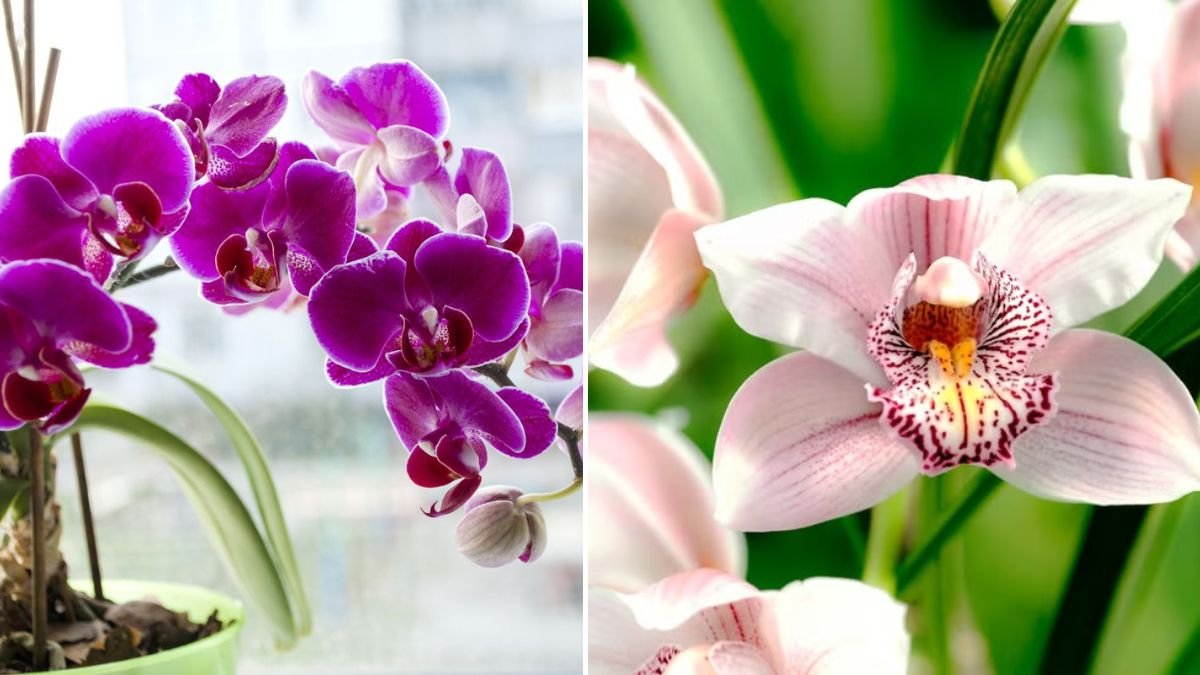

Understanding Reblooming
Reblooming refers to the production of a new flower spike and blooms after the previous flowers have faded. Most common house orchids, such as Phalaenopsis, are capable of reblooming if provided with the right environmental cues and ongoing care. Proper reblooming depends on factors including light intensity, temperature variations, appropriate watering, nutrient management, pruning, and sometimes even a period of rest. Without attention to these factors, orchids may produce healthy foliage but fail to flower.
The goal of reblooming care is to create conditions similar to the plant’s natural habitat, triggering hormonal changes that stimulate flower production.
Providing the Right Light
Light is one of the most critical elements for orchid reblooming. Orchids generally require bright, indirect sunlight. Too little light prevents flower spike development, while too much direct light can scorch leaves.
- Position your orchid near an east- or west-facing window to ensure bright but gentle sunlight.
- In low-light conditions, supplement with full-spectrum LED grow lights placed about 10–12 inches above the plant.
- Aim for 10–14 hours of light daily during active growth periods.
Healthy orchid leaves provide visual feedback about light levels: bright green leaves indicate adequate light, while dark green leaves suggest insufficient exposure. Yellowing leaves may indicate too much light. (gardeningsoul.com)
Temperature Requirements
Temperature plays a significant role in stimulating orchids to produce flower spikes. In their natural environment, orchids experience a drop in temperature at night, which signals that it’s time to flower.
- Daytime temperatures should be kept around 65–75°F (18–24°C).
- Nighttime temperatures should drop by about 10°F (5°C) for several weeks to mimic natural seasonal changes.
This daily temperature fluctuation encourages hormonal activity that promotes bloom production. Even slight deviations can delay flower spike formation, so consistency is important. (flowersgeek.com)
Watering Practices
Correct watering is essential for orchid health and reblooming. Both overwatering and underwatering can prevent flowers from developing.
- Water thoroughly only when the top inch of the potting medium is dry.
- Avoid letting the plant sit in standing water, which can cause root rot.
- Use the soak-and-drain method or, for small Phalaenopsis orchids, try using ice cubes for controlled hydration.
Healthy orchid roots should appear plump and silvery when dry and turn green when hydrated. This visual cue can help you determine when watering is needed. (bloomingbackyard.com)
Fertilizing for Flower Energy
Orchids need nutrients to generate the energy necessary for flower spikes. During active growth (usually spring through summer), feed orchids with a balanced fertilizer (e.g., 20-20-20) every two to four weeks.
As flower spikes begin to emerge, switch to a bloom booster fertilizer higher in phosphorus to encourage robust flowering. Always dilute fertilizers to half the recommended strength to avoid salt buildup or root damage. Excessive fertilization can lead to lush foliage but fewer blooms. (freeplantscare.com)
Pruning After Blooming
How you prune your orchid after flowering can influence future reblooming success:
- For Phalaenopsis orchids, cut the flower spike just above a healthy node if the stem is still green — this may allow a secondary spike to develop.
- If the flower spike is brown and dry, remove it entirely at the base.
- Use sterilized pruning tools to prevent infection or disease.
Proper pruning directs energy toward new growth and flower spike development, rather than maintaining old stems. (thespruce.com)
Humidity and Airflow
Orchids thrive in humid environments. Indoor air, especially during winter, can be very dry. Maintaining proper humidity encourages growth and supports flower development.
- Maintain 40–70% humidity around your orchid.
- Use a humidifier or place a humidity tray beneath the pot.
- Ensure good air circulation to prevent fungal infections.
These steps help replicate the orchid’s natural environment and encourage healthier growth. (orchidbliss.com)
Rest Periods for Orchids
After flowering, orchids benefit from a rest period. Reduce watering slightly and suspend fertilizer for a short period to allow the plant to store energy for the next bloom. Once new leaves or roots begin to grow, resume regular care and feeding.
Rest periods prevent the plant from becoming overworked and improve the likelihood of producing strong, healthy blooms in the next flowering cycle. (gardenersbelmont.org.uk)
Patience is Key
Reblooming orchids require patience. Many orchids flower once or twice a year, and indoor conditions can influence the timing. Even with perfect care, orchids may occasionally skip a season. Consistency, attention to environmental cues, and proper care are essential to ensure they bloom regularly. (homesandgardens.com)
Common Mistakes That Prevent Reblooming
Several common mistakes can prevent orchids from producing flowers:
- Overwatering leading to root rot.
- Insufficient light causing energy deficits.
- No nighttime temperature drop limiting spike formation.
- Failure to prune properly, which diverts energy from new spikes.
Correcting these errors greatly improves your chances of success and ensures your orchid blooms beautifully each year.
Suggested Authoritative Sources
For further guidance on orchid reblooming:
- Homes & Gardens — How to Get an Orchid to Rebloom: Expert tips on light, temperature, and care. (homesandgardens.com)
- AOL — Orchid reblooming care: Practical advice on watering, fertilizing, and pruning. (aol.com)
- Orchid Bliss — Expert rebloom strategies: Focused on humidity, light, and nutrition. (orchidbliss.com)
- The Spruce — Orchid pruning tips: How to cut spikes for better future blooms. (thespruce.com)
Final Thoughts
Getting your orchid to rebloom each year is a rewarding process that combines careful observation, patience, and proper care. By focusing on adequate light, temperature fluctuations, watering, fertilization, pruning, and rest periods, you provide the perfect conditions for your orchid to thrive.
With dedication and attention to these key factors, your orchids can produce beautiful, long-lasting flowers year after year, adding elegance and life to your indoor spaces.