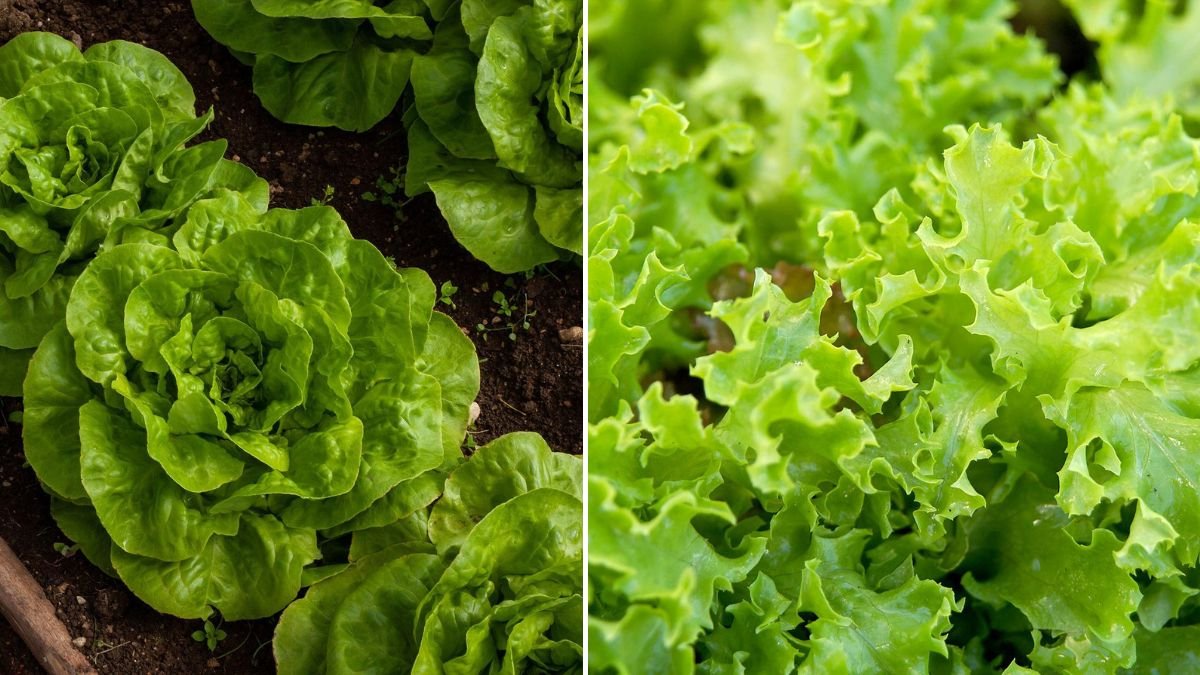

Growing lettuce from seed to harvest is one of the most rewarding experiences in home gardening. Lettuce is a fast-growing, cool-season leafy green that thrives in both garden beds and containers, making it perfect for beginners and experienced gardeners alike. Its short growth cycle and versatility in the kitchen allow you to enjoy fresh, crisp leaves throughout the growing season. By understanding how to plant, care for, and harvest lettuce, you can achieve a steady supply of nutritious greens for salads, sandwiches, and wraps right from your garden.
Lettuce is particularly appealing because it grows quickly. Depending on the variety and growing conditions, most types mature in 40 to 80 days from seed. Loose-leaf varieties can even be harvested as baby greens in just 30 to 40 days. This fast growth makes lettuce ideal for succession planting, which ensures a continuous harvest throughout spring, summer, and fall. Gardeners can sow small batches of seeds every two to three weeks, creating a rotation that guarantees fresh leaves on a regular basis.
To start growing lettuce, it is essential to choose high-quality seeds and plant them at the right time. Lettuce is a cool-season crop and prefers soil temperatures between 45°F and 65°F (7°C–18°C) for germination. Preparing the soil properly is key to success. Lettuce grows best in well-draining, fertile soil enriched with organic matter such as compost or aged manure. The soil pH should ideally be between 6.2 and 6.8. Adding compost not only improves soil texture and fertility but also enhances water retention, which is important for tender leafy growth.
When sowing lettuce seeds, keep in mind that they are very small and require light for germination. They should be sown shallowly, just beneath the soil surface. This ensures that seeds remain in contact with moisture while still receiving some light. For row planting, space seeds about 20–30 centimeters apart. Alternatively, for loose-leaf varieties, seeds can be broadcast over a bed. After sowing, water gently with a fine spray to avoid washing the seeds away. Maintaining consistent moisture during the germination period is critical; lettuce seeds typically sprout within 7 to 14 days.
Once seedlings emerge, proper care is essential to ensure healthy growth. Lettuce thrives in full sun but can benefit from partial shade in warmer climates to prevent bolting — the process in which the plant produces a flower stalk and the leaves become bitter. Shade cloth or strategic placement in partial shade can help maintain leaf quality during hotter periods. Consistent watering is equally important. Lettuce requires moist soil but does not tolerate standing water. Mulching around the plants helps conserve soil moisture, suppress weeds, and maintain a more even soil temperature.
Nutrient management also plays a critical role. Lettuce is a leafy vegetable and responds well to nitrogen-rich soil. Adding a balanced, organic fertilizer or additional compost during the growing season provides the nutrients needed for vigorous leaf production. Keep an eye out for common pests such as slugs, snails, and aphids. Regular inspection, handpicking, or using natural deterrents like copper barriers or diatomaceous earth can reduce pest damage. Ensuring adequate spacing between plants and good airflow helps prevent fungal diseases and other issues that may affect plant health.
Lettuce offers flexibility when it comes to harvesting. Loose-leaf varieties can be harvested progressively using the “cut-and-come-again” method. Simply snip the outer leaves once they reach 10 centimeters or more, leaving the inner leaves to continue growing. This allows multiple harvests from the same plant over several weeks. For head-forming varieties such as romaine or butterhead, harvest the entire head when it feels firm and fully developed. Picking lettuce in the morning, when leaves are crisp and hydrated, ensures the best texture and flavor.
Succession sowing is a particularly useful strategy for continuous harvests. By sowing new seeds every two to three weeks, gardeners can maintain a steady supply of fresh lettuce throughout the season. This approach works well for both loose-leaf and head-forming varieties, providing versatility and convenience for daily consumption. Additionally, growing lettuce in containers or raised beds allows gardeners to optimize soil quality, control watering, and even move plants to protect them from extreme weather.
Lettuce is highly adaptable to container gardening. Small spaces, balconies, or patios can easily accommodate pots and boxes, which allow gardeners to manage soil and sunlight exposure more effectively. Containers also reduce the risk of soil-borne diseases and pests that may affect ground-planted crops. By choosing compact varieties and providing adequate soil depth, gardeners can achieve high yields even in limited spaces.
Beyond the garden, proper post-harvest handling is important for preserving freshness. Lettuce should be stored in a loose plastic bag or container in the refrigerator. Washing and spinning leaves dry before storage helps maintain crispness. Wilted leaves can often be revived by soaking in cold water for 15 minutes. Homegrown lettuce is more flavorful, nutrient-dense, and free from many pesticides compared to store-bought options, enhancing both the taste and health benefits of your meals.
Variety is a key factor in maximizing lettuce’s nutritional benefits. Mixing different types of lettuce, such as romaine, butterhead, and loose-leaf, provides a range of textures, flavors, and nutrient profiles. Leafy greens are high in vitamins A, C, and K, folate, and fiber, which support vision, immunity, bone health, and digestion. Incorporating other colorful vegetables alongside lettuce can further enhance the nutritional value of meals and promote a balanced diet.
Lettuce also pairs well with other crops in the garden. Companion planting with carrots, radishes, onions, or herbs can improve growth, deter pests, and make efficient use of space. Avoid planting lettuce near crops that cast excessive shade or compete aggressively for nutrients. Strategic planning ensures that your garden remains productive and that each plant thrives.
To summarize, growing lettuce from seed to harvest is an accessible and highly rewarding gardening project. Its fast growth cycle, adaptability to containers and garden beds, and continuous harvest potential make it a staple for home gardeners seeking fresh, nutritious greens. By carefully preparing soil, sowing seeds correctly, providing consistent care, and harvesting thoughtfully, you can enjoy a reliable supply of crisp, flavorful lettuce throughout the growing season. Lettuce cultivation not only supports healthy eating habits but also adds beauty and productivity to your garden.
Starting small and gradually expanding your lettuce planting allows you to observe plant behavior, manage pests effectively, and optimize your growing techniques. Whether used in salads, sandwiches, wraps, or smoothies, fresh lettuce grown from seed is a satisfying reward for any gardener. With proper care, attention, and planning, you can establish a thriving lettuce crop that delivers both taste and nutrition from seed to harvest.