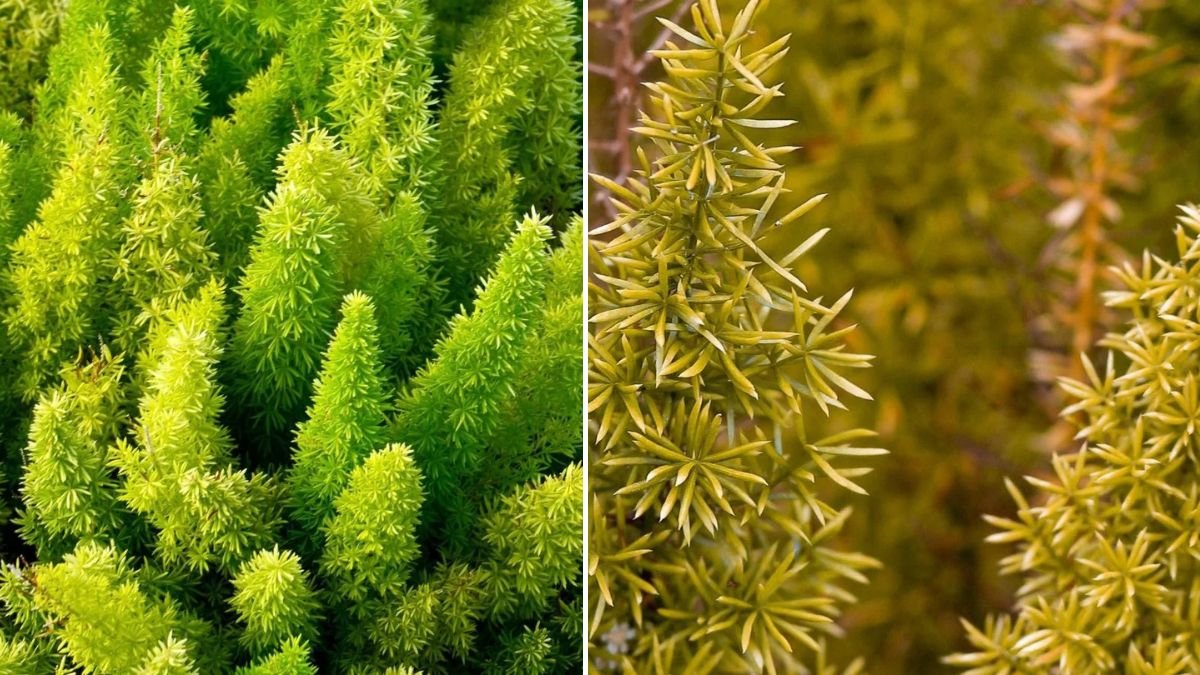

Foxtail ferns (Asparagus densiflorus ‘Myersii’) are popular houseplants and garden specimens thanks to their plume-like foliage, graceful appearance, and relative ease of care. Despite their hardiness, foxtail ferns sometimes develop yellow leaves, a clear signal that something in their environment or care routine is off.
Yellowing leaves are not only unsightly but can indicate underlying problems such as improper watering, nutrient deficiencies, pests, or environmental stress. Understanding these issues is essential for maintaining a healthy, vibrant plant. Below, we explore seven primary reasons your foxtail fern may be turning yellow and provide practical solutions for each.
🌊 1. Improper Watering
Watering issues are the most common cause of yellow leaves in foxtail ferns. Both overwatering and underwatering can stress the plant and affect its foliage.
✔ Overwatering
Soggy soil deprives roots of oxygen, leading to root rot and inhibiting nutrient uptake. Signs include yellowing leaves (especially lower fronds), soft stems, and a foul smell from the soil.
Fix:
- Allow the top inch of soil to dry between waterings.
- Ensure the pot has drainage holes to prevent water accumulation.
- Repot in fresh, well-draining soil if waterlogging is persistent.
✔ Underwatering
While foxtail ferns can store water in their tuberous roots, prolonged dryness causes leaves to yellow and turn crispy. Drooping fronds are also a symptom.
Fix:
- Water deeply when the top 1–2 inches of soil are dry.
- Adjust watering frequency according to season and indoor humidity.
☀️ 2. Incorrect Light Conditions
Foxtail ferns thrive in bright, indirect light. Too much or too little light can result in yellowing leaves.
✔ Too Much Light
Direct, intense sunlight can scorch foliage, leading to yellow or brown tips.
Fix:
- Provide filtered light or morning sun with afternoon shade.
- Indoors, place the fern near an east-facing window or in bright, indirect light.
✔ Too Little Light
Insufficient light limits photosynthesis, causing pale yellow fronds and leggy growth.
Fix:
- Move the plant closer to a bright window.
- Use a grow light if natural light is insufficient.
🧪 3. Nutrient Deficiencies
Foxtail ferns need a steady supply of nutrients to maintain deep green foliage. A lack of essential nutrients can cause yellowing, especially in older leaves.
Common deficiencies:
- Nitrogen: general pale yellowing and stunted growth.
- Magnesium or iron: yellowing between veins, often on younger leaves.
- Micronutrients: irregular yellow patches.
Fix:
- Apply a balanced, water-soluble fertilizer at half-strength every 2–4 weeks during the growing season.
- Flush soil occasionally with water to prevent salt buildup.
🐛 4. Pests and Diseases
Although resilient, foxtail ferns can be affected by pests and diseases, which often lead to yellowing leaves.
Common pests:
- Spider mites: cause yellow stippling and fine webbing.
- Mealybugs and scale: sap-feeding insects weaken the plant.
Fix:
- Inspect plants regularly, particularly under fronds.
- Treat infestations with insecticidal soap or neem oil.
- Maintain good air circulation to reduce pest activity.
Diseases:
- Fungal infections such as root rot or leaf blight thrive in overly moist conditions and cause yellowing, wilting, or browning.
Fix:
- Water properly and ensure soil drains well.
- Avoid wetting leaves when watering.
🌡️ 5. Environmental Stress
Sudden changes in temperature or humidity can shock foxtail ferns, resulting in yellow leaves.
✔ Low Humidity
Dry indoor air can sap moisture from fronds, causing yellowing and leaf drop.
Fix:
- Mist plants regularly or use a pebble tray with water.
- Consider using a humidifier in dry indoor spaces.
✔ Temperature Fluctuations
Cold drafts or hot indoor conditions stress the fern.
Fix:
- Keep temperatures stable between 65–75°F (18–24°C).
- Avoid placing the plant near drafty windows, doors, or heating vents.
🌿 6. Soil and Potting Issues
Soil and container conditions play a critical role in foxtail fern health. Poor drainage, compacted soil, or inappropriate pH levels can hinder nutrient uptake, causing yellowing.
Fix:
- Use a loose, well-draining potting mix.
- Repot every 2–3 years to refresh soil and provide more room for roots.
- Adjust soil pH using organic amendments like compost or peat moss for better nutrient availability.
💧 7. Fertilizer Problems
Over-fertilization can cause salt buildup, burning roots and turning leaves yellow. Under-fertilization can leave the plant nutrient-deficient.
Fix:
- Apply balanced fertilizer at half-strength during the growing season.
- Avoid fertilizing stressed or dormant plants.
- Flush soil with water periodically to remove excess salts.
🌟 Tips to Restore Your Foxtail Fern
- Water correctly: Keep soil evenly moist but never waterlogged.
- Optimize light: Bright, indirect sunlight ensures strong, green fronds.
- Maintain humidity: Use misting or trays to prevent dryness.
- Fertilize carefully: Balanced feeding supports healthy growth.
- Inspect for pests: Catch infestations early and treat promptly.
- Repot as needed: Refresh soil every few years to support root health.
By following these guidelines, your foxtail fern can regain lush green foliage and thrive for years. Consistency in care and attention to environmental conditions is key to preventing yellowing before it starts.