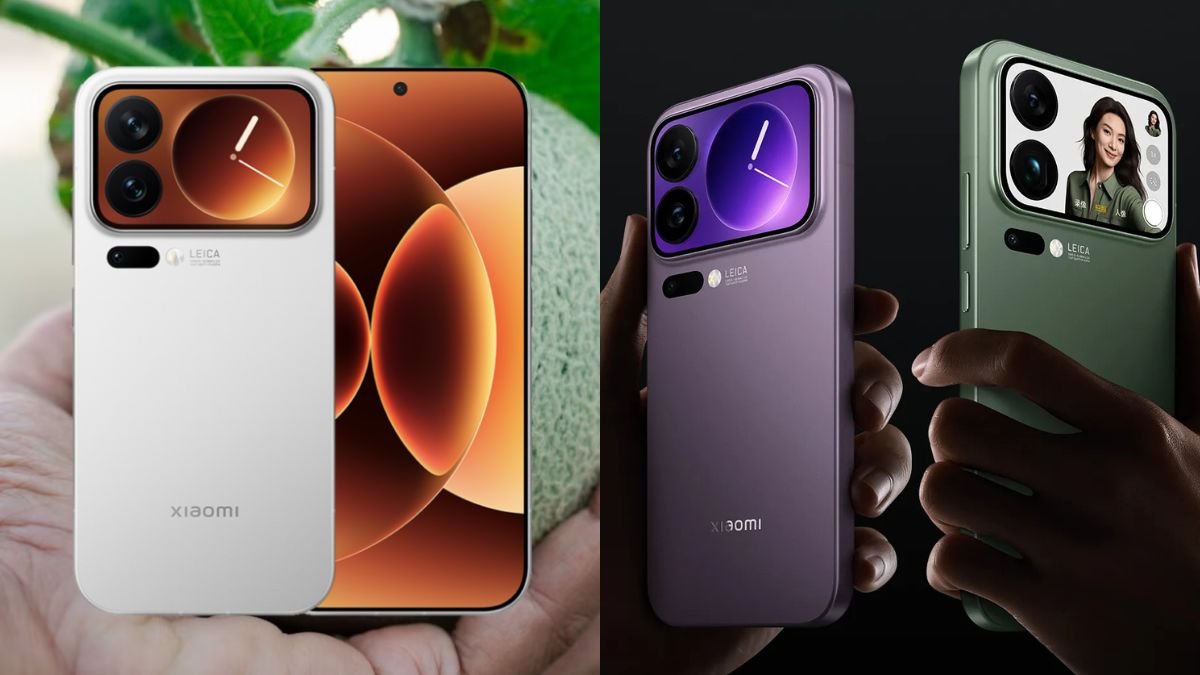

Xiaomi has built a strong reputation in recent years for pushing smartphone camera technology forward, often competing directly with Apple, Samsung, and Google. With the arrival of the Xiaomi 17 Pro Max, expectations are exceptionally high—especially in the camera department. This in-depth Xiaomi 17 Pro Max camera test explores real-world photography and videography performance, image processing, low-light results, zoom capabilities, and how Xiaomi’s latest imaging system stacks up against current flagship standards.
Camera Hardware Overview
The Xiaomi 17 Pro Max is positioned as a premium flagship, and its camera hardware reflects that ambition. The phone features a triple-camera setup engineered to deliver professional-grade results across a wide range of shooting conditions.
- Primary Sensor: Large high-resolution sensor with advanced pixel-binning technology
- Ultra-Wide Camera: Wide field of view with improved edge correction
- Telephoto / Periscope Lens: Long-range optical zoom with enhanced stabilization
- Front Camera: High-resolution selfie camera with upgraded portrait algorithms
Xiaomi continues its collaboration with imaging partners to refine color science, contrast tuning, and computational photography, making the 17 Pro Max a camera-centric device rather than just a spec upgrade.
Daylight Photography Performance
In bright daylight conditions, the Xiaomi 17 Pro Max camera performs exceptionally well. Images show excellent sharpness, balanced exposure, and impressive dynamic range. Highlights are well controlled, even in scenes with strong sunlight, while shadows retain good detail without excessive noise.
Color reproduction leans toward natural rather than oversaturated, which will appeal to users who prefer realistic images. Blues, greens, and skin tones are handled with accuracy, making photos suitable for both social media and professional editing.
The large primary sensor captures fine textures effortlessly—brick walls, foliage, and architectural details appear crisp without artificial sharpening. Xiaomi’s image processing has matured noticeably, avoiding the overly aggressive HDR look seen in older models.
Ultra-Wide Camera Test
Ultra-wide photography has often been a weak point for flagship smartphones, but the Xiaomi 17 Pro Max shows clear improvements. The ultra-wide lens delivers consistent color matching with the main camera, reducing the jarring shifts that sometimes occur when switching lenses.
Edge distortion is minimal, and Xiaomi’s correction algorithms do an excellent job maintaining sharpness across the frame. While there is a slight drop in detail compared to the primary sensor, it remains competitive with top-tier flagships.
For landscape photography, group shots, and travel images, the ultra-wide camera performs reliably, offering flexibility without sacrificing too much quality.
Telephoto and Zoom Performance
Zoom photography is where the Xiaomi 17 Pro Max camera test becomes particularly impressive. The periscope telephoto lens allows for high-quality optical zoom, producing sharp images even at long focal lengths.
At moderate zoom levels, details remain intact, and colors stay consistent with the main camera. Xiaomi’s AI-powered stabilization helps reduce blur, making handheld zoom shots more usable than ever.
Digital zoom beyond optical limits is also surprisingly capable. While some softness appears at extreme zoom levels, the results remain usable for casual photography and social sharing—an area where Xiaomi continues to close the gap with industry leaders.
Low-Light and Night Photography
Low-light performance has become a defining factor for flagship smartphones, and the Xiaomi 17 Pro Max delivers strong results in this area. The large sensor, combined with advanced night algorithms, captures bright images without excessive noise.
In night mode, photos show good detail retention while maintaining a natural look. Streetlights, neon signs, and dim indoor scenes are rendered accurately, with minimal overexposure or color distortion.
Xiaomi has refined its noise reduction, avoiding the “watercolor effect” that can sometimes plague night photography. Shadows remain detailed, and highlights are controlled effectively, making night shots both visually pleasing and realistic.
Portrait Mode Evaluation
Portrait photography on the Xiaomi 17 Pro Max is another strong point. Edge detection is precise, even around challenging areas like hair and glasses. Background blur appears smooth and natural, closely mimicking optical bokeh from dedicated cameras.
Skin tones are rendered accurately without excessive smoothing, preserving facial texture while still flattering the subject. Users can adjust blur intensity and lighting effects, offering creative flexibility without overwhelming complexity.
Both rear and front cameras perform well in portrait mode, making the device suitable for selfies, professional headshots, and social media content.
Selfie Camera Performance
The front camera on the Xiaomi 17 Pro Max has seen meaningful upgrades. Selfies captured in good lighting are sharp, well-exposed, and color-accurate. Dynamic range is impressive, ensuring faces remain properly lit even against bright backgrounds.
In low light, the selfie camera maintains usable quality with minimal noise, thanks to improved image processing. Portrait selfies benefit from accurate depth mapping and refined skin tone handling, avoiding the overly artificial look common in some smartphones.
Video Recording Capabilities
Video performance is a key focus in this Xiaomi 17 Pro Max camera test, and the phone does not disappoint. It supports high-resolution video recording with advanced stabilization and HDR capabilities.
Footage appears smooth, with excellent color consistency and controlled exposure transitions. Stabilization works effectively during walking or handheld shooting, reducing jitter without excessive cropping.
Low-light video performance is also commendable, with improved noise handling and better detail retention than previous Xiaomi models. Audio recording is clear and balanced, making the device suitable for vlogging and content creation.
AI Features and Camera Software
Xiaomi’s camera software plays a major role in delivering a polished photography experience. AI scene recognition works subtly, enhancing images without overly altering their natural appearance.
Pro mode offers manual control over ISO, shutter speed, focus, and white balance, appealing to photography enthusiasts who want more creative control. The camera interface remains intuitive, allowing quick access to modes without unnecessary clutter.
Xiaomi’s post-processing is fast and consistent, ensuring images are ready to share immediately while still offering flexibility for editing.
How It Compares to Other Flagships
Compared to other premium smartphones, the Xiaomi 17 Pro Max holds its ground convincingly. Its daylight performance rivals the best in the industry, while low-light and zoom capabilities show noticeable improvements over previous generations.
While some competitors may still edge ahead in video stabilization or computational photography, Xiaomi’s overall camera package is well-balanced and competitive, offering excellent value for users who prioritize imaging performance.
Final Verdict: Is the Xiaomi 17 Pro Max a Camera Champion?
The Xiaomi 17 Pro Max camera test confirms that Xiaomi continues to refine and elevate its smartphone photography capabilities. With strong hardware, mature image processing, and versatile shooting options, the device delivers consistently impressive results across all scenarios.
Whether you enjoy landscape photography, night shots, portraits, or video recording, the Xiaomi 17 Pro Max offers a reliable and powerful camera system that competes confidently with today’s top flagships.
For photography enthusiasts and everyday users alike, the Xiaomi 17 Pro Max proves that Xiaomi remains a serious contender in the premium smartphone camera space.