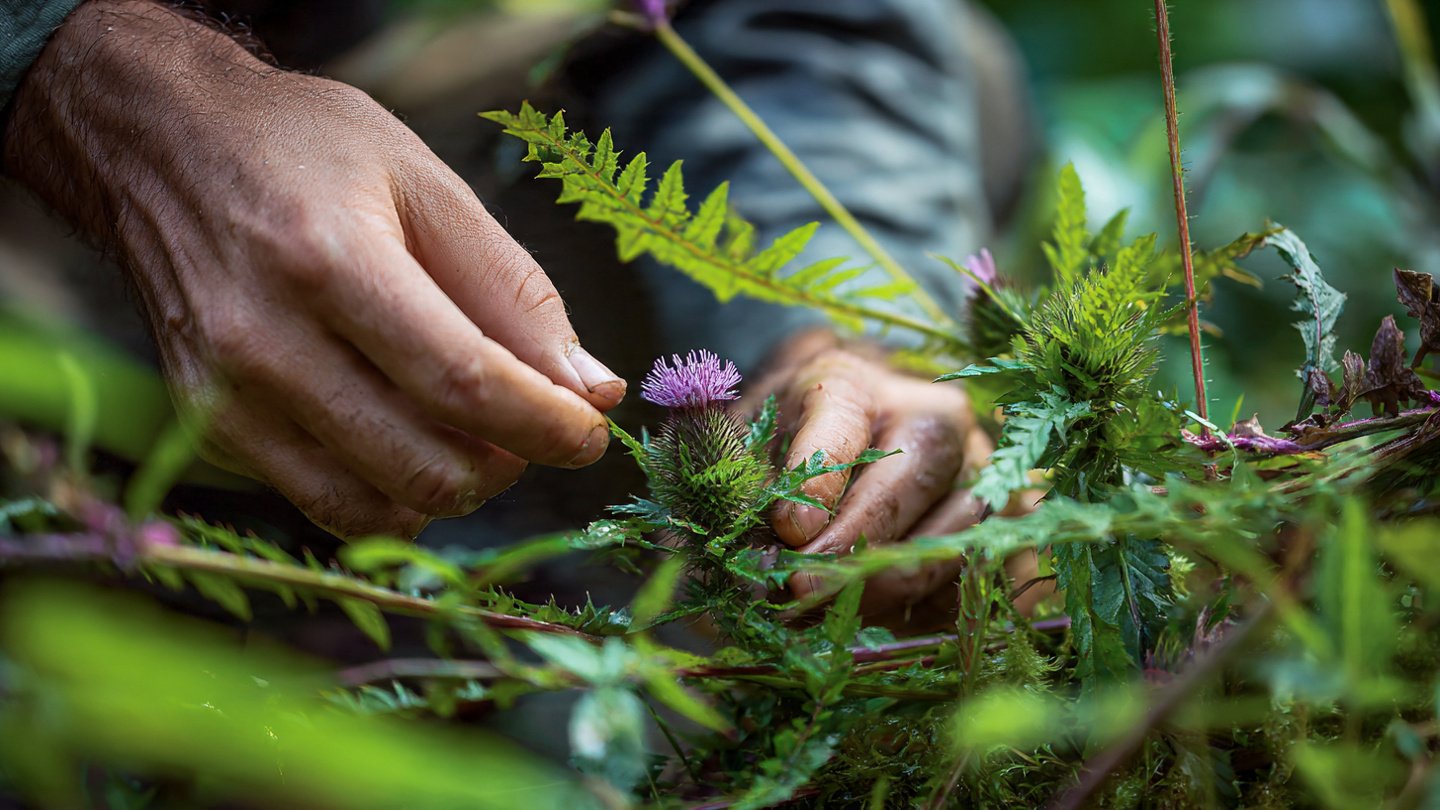

Weeds are often seen as the enemy of a well-maintained garden or landscape, but they play a complex role in our ecosystems. Before diving into why you should never pull weeds without first identifying them, it’s essential to grasp the bigger picture surrounding their existence.
What Are Weeds?
Weeds are plants that are considered undesirable, troublesome, or noxious in a particular situation. They grow aggressively and can compete with cultivated plants for nutrients, light, and space. However, not all weeds are created equal. Some can offer benefits such as attracting beneficial insects, improving soil health, or even providing edible resources.
The Importance of Identification
Identification is key when it comes to weeds. Pulling out a weed without recognizing its type can lead to unwanted consequences. Let’s explore several reasons why proper identification is vital:
1. Nutritional and Ecological Benefits
Certain weeds, such as dandelions and chickweed, are packed with nutrients and have medicinal properties. Dandelions, for instance, are rich in vitamins A, C, and K, as well as minerals like iron and calcium. Instead of removing these plants, consider utilizing them for their health benefits or allowing them to coexist with your garden plants.
2. Protecting Beneficial Insects
Weeds can provide shelter and food for various beneficial insects such as bees, ladybugs, and predatory wasps. These insects play a crucial role in pollination and pest control. By pulling weeds indiscriminately, you might be harming these important allies in your garden ecosystem.
3. Soil Health and Structure
Some weeds have deep root systems that can improve soil structure and increase aeration. For instance, the roots from a plant like burdock can break through compacted soil layers, allowing nutrients and water to penetrate more effectively. Removing these weeds might lead to poorer soil quality over time.
4. Weed Mimicry
Interestingly, some beneficial plants can mimic the appearance of common weeds. For example, young seedlings of beneficial herbs might look similar to invasive weed species at early stages. Identifying plants correctly can prevent you from removing potential assets from your garden.
Identifying Common Weeds
Here are some common types of weeds you should familiarize yourself with before making any decisions:
1. Dandelion (Taraxacum officinale)
Dandelions are recognizable by their yellow flowers and jagged leaves. They are edible and can be consumed in salads or made into herbal teas.
2. Chickweed (Stellaria media)
This low-growing weed has small white flowers and is often found in disturbed soils. Chickweed is nutritious and can be eaten raw or cooked.
3. Purslane (Portulaca oleracea)
Purslane is rich in omega-3 fatty acids and has a slightly tart flavor. It can be recognized by its succulent leaves and yellow flowers.
4. Crabgrass (Digitaria spp.)
Unlike the previous examples, crabgrass is a tough competitor that can inhibit the growth of your desired plants. It’s essential to manage this weed if it takes over your garden.
How to Identify Weeds Effectively
To effectively identify weeds, you can take the following steps:
1. Observe the Plant’s Features
Look closely at characteristics such as leaves, flowers, stems, and growth habits. Document various features can help you in identifying the plant accurately.
2. Use Online Resources and Apps
There are myriad online databases and smartphone apps dedicated to plant identification. Utilize these tools to help distinguish between beneficial and harmful weeds.
3. Consult Local Experts or Gardening Communities
Engage with local gardening clubs or extension services. These resources can often provide insights into the specific weeds in your region and their characteristics.
Alternative Weed Management Strategies
Instead of pulling weeds, consider adopting other management techniques:
1. Mulching
Using organic mulches can suppress weed growth while enriching the soil as it decomposes.
2. Hand-Pulling with Care
If you must pull weeds, ensure you are doing so with minimal disturbance to the surrounding soil to avoid unintended consequences.
3. Integrated Pest Management (IPM)
Utilize integrated pest management strategies, which combine various methods to control weeds without harming beneficial plants and insects.
Conclusion
Identifying weeds before taking action is a crucial aspect of maintaining a healthy garden. By understanding the role weeds play in the ecosystem and their potential benefits, you avoid the pitfalls of indiscriminate pulling. Take the time to educate yourself on common weeds, utilize identification tools, and adopt sustainable management practices to enhance your garden’s health and productivity.
FAQs
What are the most common mistakes people make when dealing with weeds?
Common mistakes include pulling beneficial weeds, disturbing the soil excessively when weeding, and not properly identifying the weeds before removal.
How can I tell if a weed is beneficial?
You can research specific weeds online or consult local gardening resources to determine if a weed has edible or medicinal properties.
Can I prevent weeds from growing in my garden?
While you can’t entirely prevent weeds, you can reduce their prevalence through proper landscaping techniques, mulching, and maintaining a healthy plant environment.
Is it necessary to remove all weeds from my garden?
Not necessarily. Some weeds provide ecological benefits. Focus on managing invasive weeds rather than completely clearing all types.