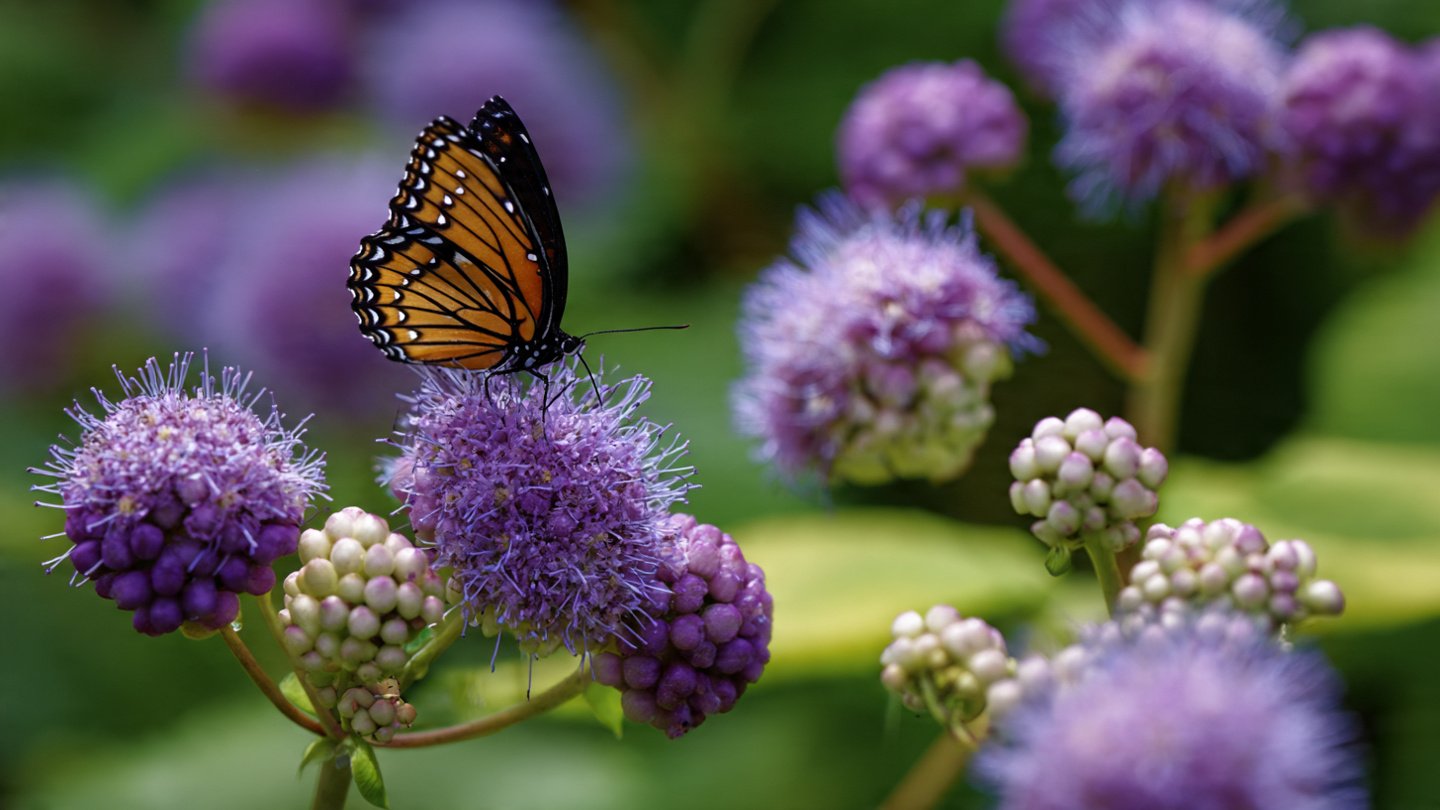

Creating a vibrant, thriving garden often involves selecting the right plants, ensuring optimal soil health, and maintaining a balanced ecosystem. While most gardeners focus on conventional flowering plants, trees, and shrubs, there is an often-overlooked category critical to supporting wildlife: pollinator weeds. These “weeds” – typically considered undesirable plants by gardeners – are, in fact, essential components of a healthy garden ecosystem. Embracing pollinator weeds can enhance biodiversity, improve soil health, and provide abundant resources for various species.
First and foremost, it’s important to understand what pollinator weeds are. Many native plants that may be deemed weeds are, in reality, fundamental to the survival of local pollinators such as bees, butterflies, and other beneficial insects. These plants often have evolved alongside the local wildlife, creating a unique symbiotic relationship. Unlike hybrid or non-native species, native pollinator weeds have adapted over time to thrive in local conditions. This gives them resilience against pests and diseases and makes them crucial in providing nectar and pollen during blooming times when other plants may not be available.
One of the significant advantages of incorporating pollinator weeds into your garden is enhancing biodiversity. Biodiversity is a measure of the variety of life forms within a given ecosystem. By introducing native pollinator plants, you can support a diverse array of species in your garden, including insects, birds, and small mammals. A diverse garden is not only more resilient and able to withstand environmental changes, but it also creates a harmonious system where various organisms can benefit from one another.
Another compelling reason to welcome these often-maligned plants is that they play a critical role in improving soil health. Many native weeds feature deep taproots that help break up compacted soil, allowing better water infiltration and aeration. This natural tilling process can improve the soil structure and increase nutrient availability for other plants. Additionally, these roots can help prevent erosion and promote the development of soil microbiomes, essential for nutrient cycling and overall soil health. The presence of healthy soil is fundamental for any gardener, ensuring that your cultivated plants flourish.
Moreover, pollinator weeds can be more resilient than their cultivated counterparts. Given that these plants are native, they are often more adept at managing local climate conditions and are less prone to pests. This resilience can lead to a decrease in the need for chemical pesticides and fertilizers, promoting a more organic approach to horticulture. Chemical inputs can harm not only the target pests but also beneficial insects, soil microorganisms, and even local water sources. By allowing these native plants to flourish, you can support a more sustainable gardening practice.
In addition to their ecological benefits, pollinator weeds can provide beautiful blooms and unique textures to your garden. Many, such as milkweed, clover, and dandelion, produce flowers that not only attract pollinators but also add color and variety to your landscape. A garden filled with diverse flora presents a more dynamic visual experience, showcasing the beauty and complexity of nature. It also reflects a more relaxed gardening ethos, challenging traditional norms of maintaining a “perfect” garden devoid of “weeds.”
The role of pollinators in food production cannot be overstated. According to the Food and Agriculture Organization (FAO), around 75% of the world’s crops depend on animal pollination. By fostering an environment conducive to pollinators, your garden can not only produce its fruits and vegetables more effectively but can also contribute to the local food web. Healthy pollinator populations support higher yields, improve crop quality, and reduce the need for synthetic inputs.
For those interested in creating community-oriented gardens, embracing pollinator weeds can serve as an educational tool. Children and adults alike can learn the importance of native flora and fauna, biodiversity, and sustainable practices. A garden alive with the buzzing of bees and fluttering of butterflies becomes a living classroom, enticing local community members to engage with nature. Workshops or guided tours can explain how many plants that people commonly view as invasive or unattractive play a crucial role in ecological health.
However, it is vital to strike a balance between letting these pollinator weeds thrive and controlling their growth. Some native plants can become aggressive in gardens if left unattended, outcompeting cultivated plants for resources. Gardeners should engage in responsible practice by educating themselves about the native plants in their region, understanding which may be beneficial or detrimental to their specific garden context. Planning, maintenance, and intentional planting can lead to a prosperous ecosystem where all plants coexist harmoniously.
To encourage pollinator weeds, create a diverse planting scheme that includes these natives alongside traditional garden favorites. Aim for a mix of flowering plants that bloom at different times of the year, ensuring year-round support for pollinators. Practices like planting in groups or patches rather than singular plants can also enhance the attractiveness of your garden to various wildlife species. It invites bees, butterflies, beetles, and other creatures to congregate, thereby increasing pollination activity.
Another practical step is to reduce tillage and allow more natural growth to occur. This can include leaving some areas of your garden untended or implementing a “weedy” edge to your beds, which can harbor local flora. Additionally, creating habitats such as logs, stones, or mulch piles can help support ground-dwelling beneficial insects or provide nesting sites for solitary bees.
Water sources also play a vital role in attracting pollinators to your garden. Including small water features or birdbaths allows insects and birds to hydrate, further enhancing their habitat and encouraging wildlife to flourish. By maintaining these water sources, you create an inviting environment that can support various critical life forms.
From an economic perspective, encouraging pollinators in your garden can help mitigate costs associated with commercial pesticides and fertilizers, reducing gardening expenses over time. A healthier ecosystem generally requires less intervention, allowing gardeners to save on both time and resources.
Finally, remember that the act of embracing pollinator weeds is not just about flora; it’s about fostering a deeper connection to the environment. As you cultivate your garden with these native plants, you create a vibrant space that supports life while enhancing your personal well-being. Spending time outdoors, observing the interconnections between species, and actively participating in nature’s restorative processes can enrich your life immeasurably.
In conclusion, integrating pollinator weeds into your garden design has multifaceted benefits. From enhancing biodiversity, improving soil health, and supporting pollinator populations to creating educational opportunities and reducing gardening expenses, the advantages are substantial. By shifting perspective on these “weeds,” you can cultivate a thriving ecosystem that reflects the beauty and resilience of nature. As more gardeners embrace this approach, we can collectively contribute to a greener, healthier planet, one garden at a time.