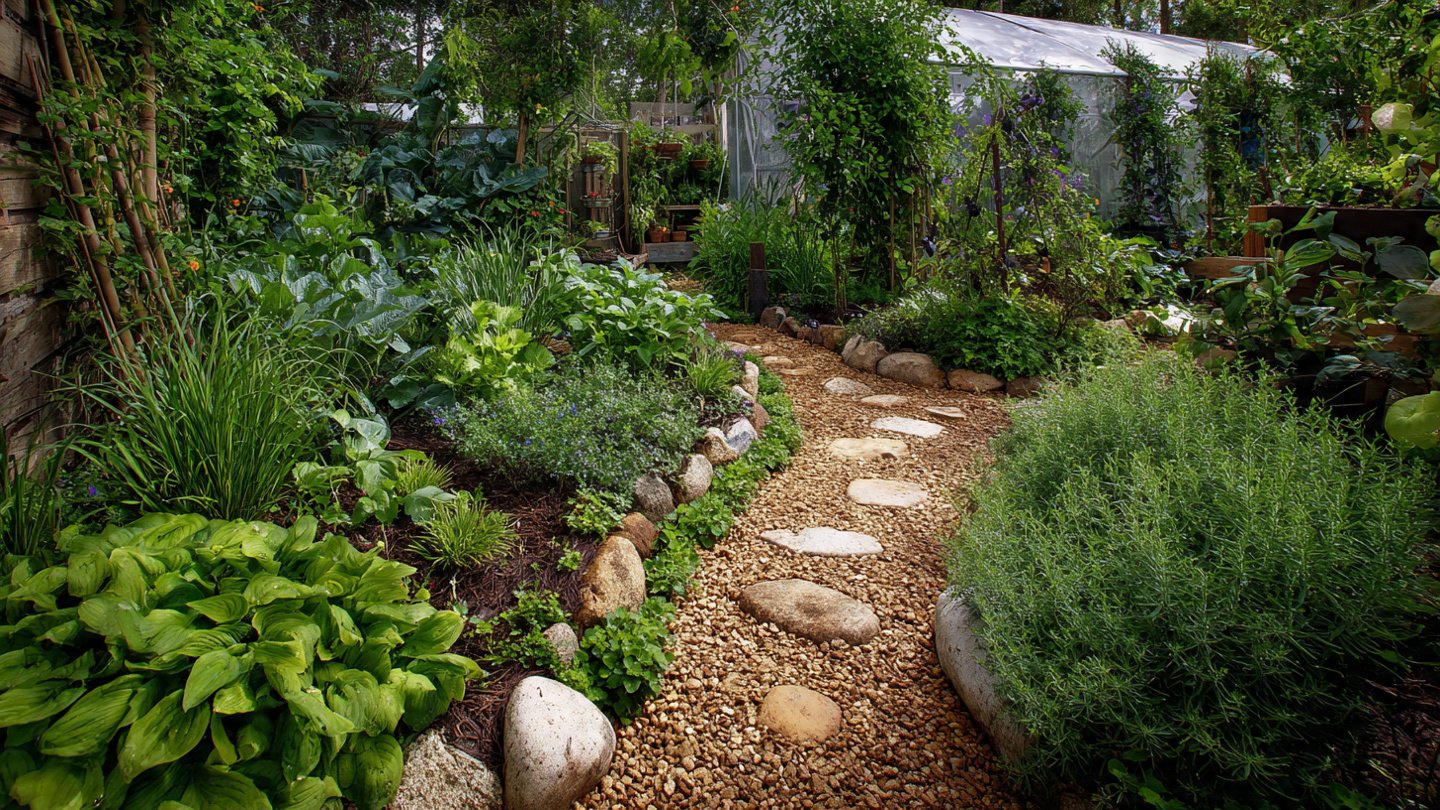

Gardening is often viewed as a pursuit of beauty and order, where the aim is to cultivate flourishing plants while banishing any unwanted intruders—commonly known as weeds. However, what if I told you that embracing weeds could actually enhance your gardening experience and benefit your ecosystem? Designating a special area in your garden for weeds might seem counterintuitive at first, but it can provide numerous environmental, educational, and practical benefits. In this article, we will explore the multifaceted advantages of creating a dedicated space for weeds, how it can promote biodiversity, enrich your soil, and foster a deeper understanding of gardening.
Understanding Weeds
Before diving into the reasons to embrace a special area for weeds, it’s important to define what we mean by “weeds.” Generally, weeds are plants that grow where they are not wanted, often taking over the space meant for more desirable varieties. However, this definition is largely subjective; what one gardener considers a weed, another may see as a valuable plant. Many so-called weeds have remarkable adaptations, nutritional properties, and ecological roles that can be beneficial in various contexts.
Benefits of Embracing Weeds
1. Promoting Biodiversity
By creating a dedicated area for weeds, gardeners can significantly contribute to local biodiversity. Diverse plant life is essential for sustaining various ecosystems and the flora and fauna that depend on them. Native weeds, in particular, can attract beneficial insects and pollinators such as bees, butterflies, and ladybugs. This support for pollinator populations promotes a healthier ecosystem, which is essential for the overall functioning and resilience of the garden.
Many native weeds have evolved alongside local wildlife, and their presence can help maintain the natural balance. Such plants often require less care, as they are already adapted to your region’s climate and soil conditions. These benefits help in fostering a balanced ecosystem where every organism has a role, thus exemplifying a symbiotic relationship between plants and wildlife.
2. Soil Enrichment
Weeds can play a critical role in improving soil health. Many weed species have deep root systems that can break up compacted soil, bringing nutrients and moisture to the surface. These roots can also help prevent soil erosion and enhance water retention, leading to improved growing conditions for other plants.
Additionally, weeds often serve as excellent cover crops. Their growth can suppress soil erosion and minimize nutrient leaching during heavy rains. When allowed to grow in a designated area, these weeds can be left to decompose, enriching the soil with organic matter and nutrients. This makes the soil healthier for subsequent crops or flowers you may wish to plant in the future.
3. Natural Pest Management
A well-ordered garden often focuses on monoculture—growing a single crop in a given area—which can make it more susceptible to pests and diseases. By contrast, a garden that embraces diversity—including a special weed area—can effectively benefit from natural pest management practices.
Weeds can attract beneficial insects that prey on harmful pests. For instance, certain flowering weeds can lure predatory insects like lacewings and parasitic wasps, which are known to feed on destructive pests such as aphids and caterpillars. This natural approach to pest management can significantly reduce the necessity for chemical pesticides, leading to a healthier garden ecosystem and reducing environmental impact.
4. Educational Opportunities
Creating a special area for weeds can also serve as a great educational tool, especially for novice gardeners or children learning about nature. This area can offer a hands-on experience in understanding plant biology, ecology, and the various roles that different plants play in their environment.
By examining common weeds, individuals can learn to identify beneficial versus harmful plants. Activities such as observing the growth cycle of these plants, examining their structure, and learning about their medicinal and culinary uses can provide invaluable educational moments. Engaging with nature in this way can foster a deeper appreciation for the nuances of gardening and the interconnectedness of life.
5. Foraging and Culinary Uses
Many weeds are edible and have culinary applications. Plants like dandelions, purslane, and lamb’s quarters are packed with nutrients and have been used in traditional cuisines for centuries. By dedicating a special area for these plants, you not only minimize waste but also enrich your diet.
Foraging for wild edibles can be a rewarding and sustainable practice. Embracing weeds in your garden can lead to discovering flavors and textures not commonly found in cultivated crops. Moreover, these plants can often be a source of culinary inspiration, encouraging creativity in the kitchen and promoting a farm-to-table ethos.
6. Water Conservation
A special area for weeds can also be beneficial in terms of water conservation. Many weeds are drought-tolerant and adapted to your local climate, meaning they require less water than traditional ornamental plants. By allowing these plants to grow, you may encourage natural water conservation methods.
Additionally, the roots of deep-rooted weeds help aerate the soil, allowing water to penetrate more deeply and effectively. This means that the moisture level can be higher even in periods of low rainfall when compared to areas devoid of such plant life.
7. Aesthetic Appeal
While it may be easy to see weeds as unsightly interlopers in a pristine garden, those who embrace a special area for these plants can discover unexpected beauty in wildness. Weeds often produce vibrant flowers and unique forms that can bring a sense of natural artistry to your garden landscape.
Some gardeners have taken to creating “wildflower gardens” or “meadows,” which intentionally incorporate a mix of native plants and weeds to offer a more relaxed and organic aesthetic. This trend celebrates the unpredictability of nature and allows for a diverse and lively environment that evolves over time.
8. Creating Habitat
A dedicated weed area can also serve as a habitat for various flora and fauna. Many small animals, such as rabbits and birds, rely on wild plants for food and shelter. This designated space becomes a sanctuary for various creatures, fostering an environment of coexistence.
Furthermore, as these weeds grow and die back, they serve as a natural mulch, protecting the soil and providing food for soil-dwelling organisms. The cumulative effect contributes to a flourishing habitat that can benefit the larger local ecosystem.
Challenges and Considerations
While there are many benefits to creating a special area for weeds, there are also challenges to consider. Managing this area is crucial to ensure that the weeds do not encroach on valuable cultivated plants. Regular monitoring, selective weeding, and understanding which species can be beneficial or detrimental are vital for maintaining balance.
Additionally, some invasive weeds can overpower native plants and disrupt the local ecosystem. Educating yourself about the local flora will help you make informed decisions about which weeds to encourage and which to control.
Conclusion
Incorporating a special area for weeds in your garden can provide a range of benefits that often go unnoticed in traditional gardening practices. From promoting biodiversity and enriching the soil to supporting natural pest management and offering culinary opportunities, the advantages are numerous. Embracing weeds encourages a deeper understanding of ecosystems and fosters a more holistic approach to gardening.
Next time you find a weed popping up in your garden, consider its potential. Instead of uprooting it without a second thought, think about the role it might play in your garden’s ecosystem. By fostering a special area for weeds, not only do you create a more resilient garden, but you also cultivate a more profound appreciation for nature in all its vibrant, chaotic glory. So, don’t hesitate—let your garden embrace the weeds, and watch it thrive!