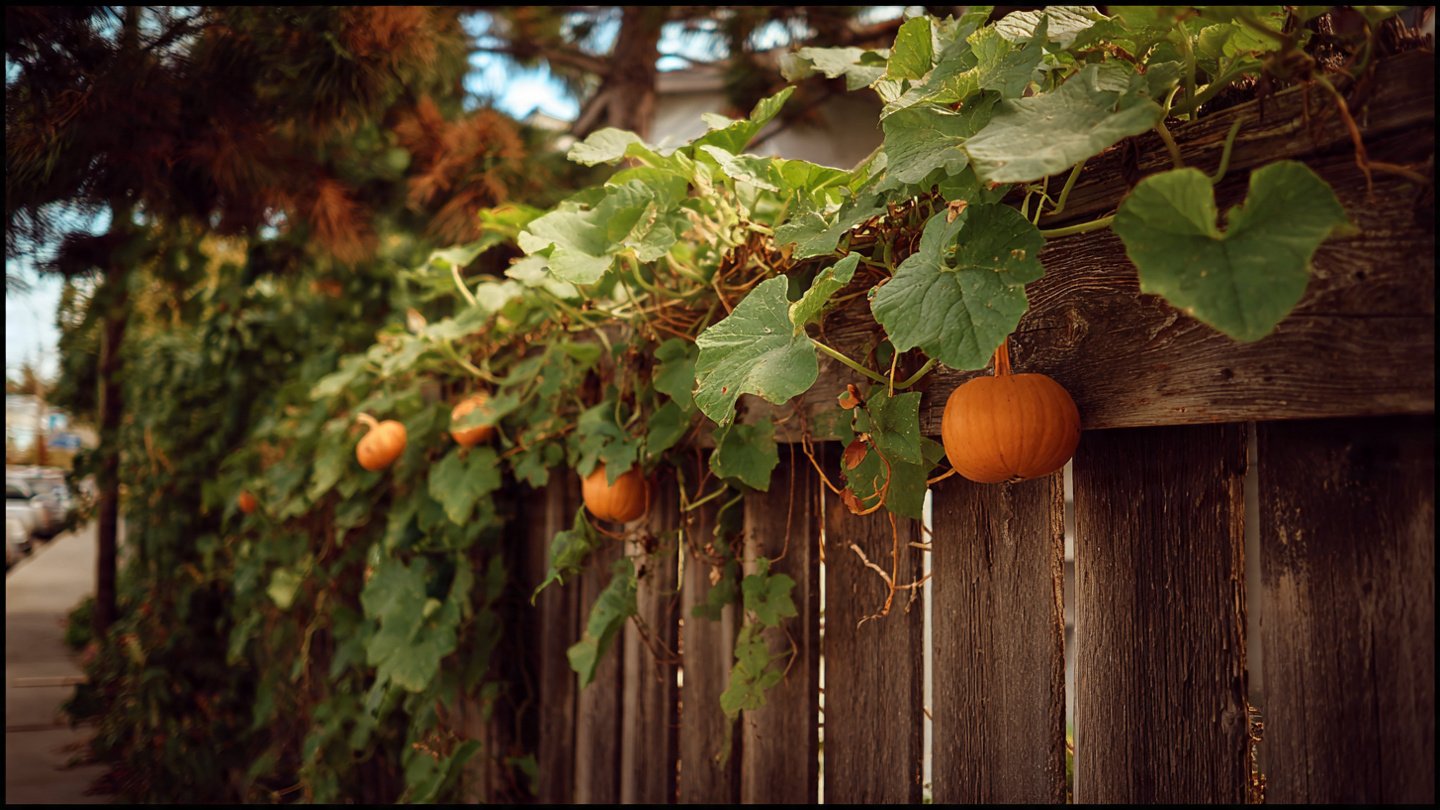

Growing pumpkins can be a rewarding venture, providing not only delicious fruit for baking and cooking but also a vibrant display in your garden. However, many gardeners find that their pumpkin vines have a habit of reaching for places they shouldn’t—like climbing through a fence. This article will explore why pumpkin vines exhibit this behavior, the factors contributing to their climbing tendencies, and practical tips on how to manage and control their growth.
Understanding Pumpkin Vines
Pumpkin plants (Cucurbita pepo) are part of the gourd family, known for their sprawling growth habit. Native to North America, these plants thrive in warm climates and have a robust growth potential. They can spread across the ground, but some varieties exhibit climbing behaviors when given the opportunity.
Why Do Pumpkin Vines Climb?
1. Natural Instincts
Pumpkin vines possess natural instincts that compel them to grow upward whenever possible. This climbing behavior is a survival trait, as it allows the plant to access more sunlight and air circulation while potentially evading ground pests. In their native environment, many pumpkin varieties would naturally climb among and around other plants.
2. Light Necessity
Plants require sunlight for photosynthesis, the process through which they convert light energy into chemical energy. When a pumpkin vine detects less light—a common occurrence if it’s shaded by taller plants or regions of the garden—a survival response is triggered. The plant instinctively reaches for brighter areas, leading it to climb fences, trellises, or any available support.
3. Response to Space Limitations
In confined garden spaces, especially urban settings, pumpkin vines can quickly feel restricted. When they have limited room to spread sideways, they may opt to grow vertically instead. This can result in vines unfurling in unexpected directions, such as climbing fences or other nearby structures.
4. Trellis and Support Encouragement
Sometimes, gardeners inadvertently encourage climbing behavior by providing structures like trellises or fences for support. If you’ve installed a trellis with the intention of helping your plants grow upward, any nearby structures can become a target as well. Vines will naturally find the best support available, which can lead them to climb your fence instead of remaining contained to the designated area.
Implications of Climbing Pumpkin Vines
1. Resource Competition
Climbing can lead to resource competition with other plants in your garden, which can reduce the overall health of your pumpkin plant and its neighbors. Limited access to nutrients, water, or light could hinder growth, leading to smaller or fewer pumpkins.
2. Aesthetic Concerns
Unchecked climbing may lead to an untidy or unkempt look in your garden. If your vine is spreading in all directions, it may not only affect your pumpkin plant but also other plants nearby.
3. Structural Damage
When pumpkin vines climb fences or other nearby structures, they can cause damage over time. Heavy vines can bend, sag, or even break weaker wooden fences. This not only strains the structure but can also create openings for pests and animals to invade your garden.
What Can You Do to Stop the Climbing?
If you find your pumpkin vine climbing through a fence or starting to invade other areas, there are several strategies you can employ to control its growth.
1. Provide Adequate Space
One of the simplest ways to manage pumpkin vine climbing is to ensure they have the space they need to sprawl. Plant them far enough away from fences and other structures, allowing them room to grow outward rather than upward. Ideally, pumpkin plants should be spaced about 3–5 feet apart, depending on the variety.
2. Use Physical Barriers
Installing physical barriers can help deter climbing. Fencing can be raised or extended higher if necessary to create a defined boundary. Additionally, you might consider taller raised beds that make it clear to the plants where they should be growing.
3. Regular Pruning
Regularly pruning your pumpkin vines can help manage their growth. This involves cutting back certain sections of the vine, particularly when they start extending toward the fence. By removing excess growth, you can encourage the plant to focus its energy on producing fruit rather than seeking additional climbing space.
4. Trellis and Support Structures
If vertical growth is desired, you can create designated trellises or vertical supports for your pumpkin vines. Direct the plant to grow on these supports rather than the fence. For instance, using a strong trellis specifically designed for pumpkin growth can encourage climbing in a controlled manner.
5. Training the Vines
Training the vines to grow in the desired direction can be effective. Gently guide the vine back into its designated area when it begins to stray. Use plant ties or soft string to secure the vine in place, but be cautious not to damage the plant.
6. Utilize Companion Planting
Consider planting companion plants that can compete with the pumpkin vines for space and resources. This can potentially deter the pumpkin plant from spreading too aggressively. Effective companions include corn or sunflowers, which can grow taller and limit the growth direction of the pumpkin vine.
7. Regular Inspection
Keep an eye on your pumpkin plants regularly. Early intervention can make a significant difference in controlling vine growth. Regular inspections allow you to recognize climbing behavior before it becomes unmanageable.
8. Root Pruning
In extreme cases, root pruning can be considered. This involves digging up some of the roots to contain the growth of the vine. However, this should be a last resort, as pumpkin plants can be sensitive to disturbances and may require extra care afterward to ensure they recover.
Final Thoughts
Growing pumpkins can be a satisfying experience, albeit sometimes fraught with challenges. Understanding the climbing behavior of pumpkin vines is crucial to managing their growth effectively. By applying the strategies outlined above—from providing adequate space to using physical barriers and regular pruning—you can enjoy a thriving pumpkin patch without the hassle of errant vines climbing through your fence.
Whether you are cultivating a single pumpkin or a plethora of them, being mindful of your garden’s layout and employing preventative measures is essential. With a little patience, observation, and proactive gardening techniques, your pumpkin plants can thrive within their designed space, delivering a bountiful harvest without the unexpected encroachment limitations of climbing through fences. Happy gardening!