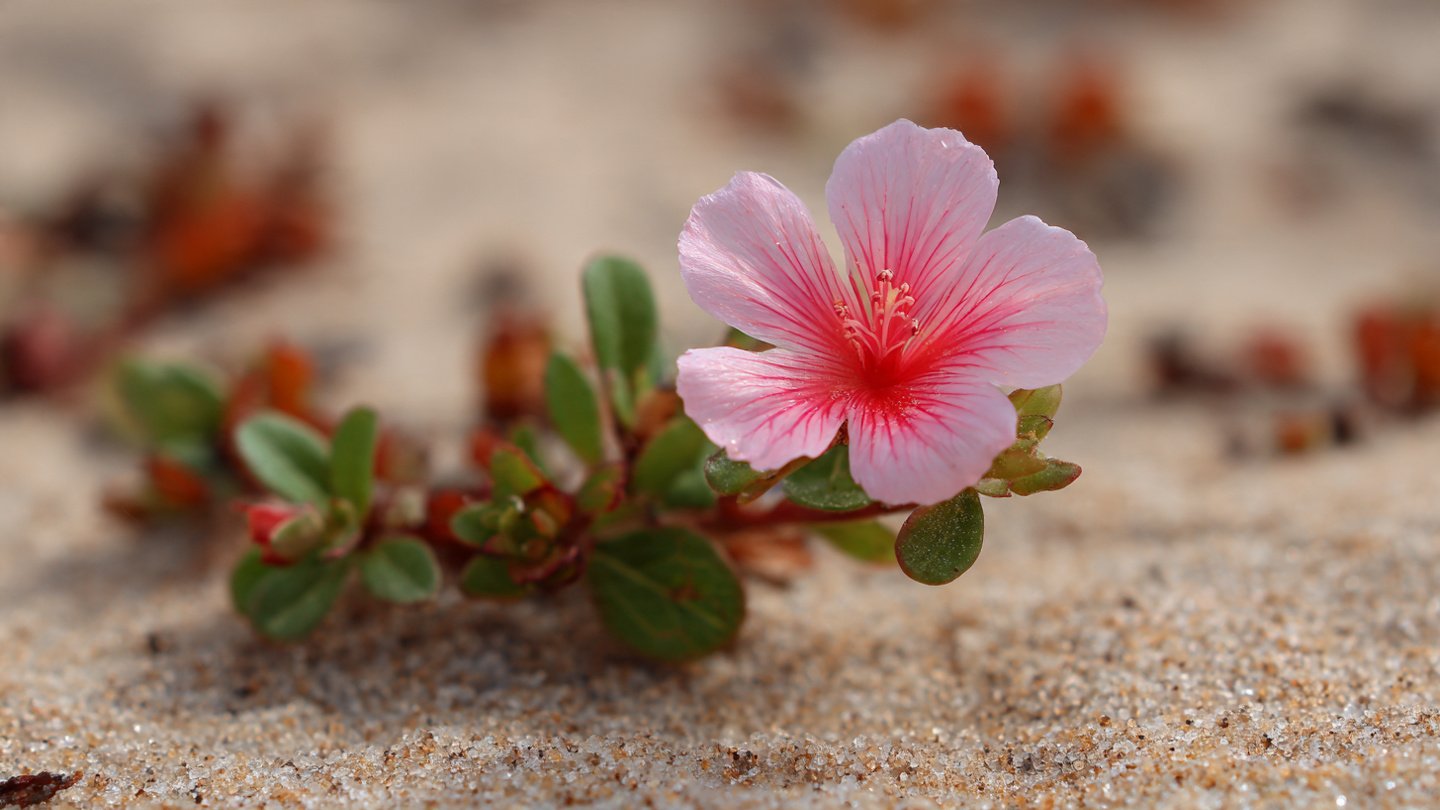

Gardening is a beloved pastime for many, and among the vast array of plants that flourish in gardens, certain flowers are renowned for their ease of propagation. One such flower is the common garden flower, often found in various climates. Its propensity to root easily in sandy soils presents an intriguing topic for those interested in botany, gardening, and the intricacies of plant health. In this article, we will explore the reasons why this flower thrives in sandy mediums, the techniques involved in rooting, and the science behind it.
The Benefits of Sandy Soil
Sandy soil is characterized by its larger particle size, which results in superior drainage and aeration. This distinct texture provides several advantages for root development:
- Drainage: Sandy soil drains water quickly, preventing root rot and other water-borne pathogens.
- Root Aeration: The loose composition allows roots to access oxygen more easily, promoting faster growth.
- Warmth: Sandy soils tend to warm up faster in spring, encouraging earlier growth.
- Poor Nutrient Retention: While a downside for some plants, many flowers adapted to sandy conditions thrive by using less nutrient-rich environments.
The Role of Rooting Hormones
When propagating plants, these common garden flowers often produce rooting hormones that are necessary for initiating root growth. In sandy conditions, these hormones can work more effectively due to the following:
- Reduced Competition: In sandy soils, the lower density means less competition for space and resources, allowing for more efficient root establishment.
- Direct Contact: The loose texture encourages rooting hormones to remain effective in direct contact with the plant cutting, enhancing rooting success.
Water Management
Watering practices play a crucial role in the propagation process. Sandy soil requires a different watering strategy, as excessive moisture can lead to detrimental consequences. Here’s why sandy conditions are favorable:
- Moisture Retention: While sandy soils do not retain moisture well, it allows for periodic watering that can encourage root formation without the risk of over-saturation.
- Controlled Environment: The ability to control the moisture level reduces the chances of diseases that arise from overwatering, a common issue in heavier soils.
Techniques for Rooting in Sand
Rooting garden flowers in sand can be accomplished through various methods, each designed to optimize the plant’s chances of survival and growth.
1. Cuttings
One of the most common methods for propagating garden flowers is through cuttings. Here’s a simple guide:
- Select a healthy stem from the parent plant, preferably one with multiple nodes.
- Cut the stem at a diagonal angle just below a node, as this increases the surface area for water absorption.
- Dip the cut end in rooting hormone to promote faster rooting.
- Insert the cutting into a container filled with sterile sand, ensuring that at least one node is covered.
- Water lightly and cover the container with a plastic bag to maintain humidity.
- Place the container in a warm, bright location, but out of direct sunlight.
- Check regularly for moisture and ventilation.
2. Divisions
For perennials, dividing existing plants may be a suitable technique. This process involves:
- Carefully digging up the parent plant.
- Separating its roots into smaller sections.
- Planting these divisions into sandy conditions, ensuring good contact with the soil.
3. Layering
Layering involves bending a stem to the ground, covering it with sand and allowing it to root while still attached to the parent plant:
- Select a low-growing stem.
- Bend it into a trench and cover with sand, leaving the tip exposed.
- Water the trench sufficiently and monitor for roots.
Common Garden Flowers That Root Well in Sand
Many common garden flowers are particularly suited to rooting in sandy soils. Below are a few favorites:
- Lavender: Known for its aromatic properties and drought resistance, lavender thrives in sandy soils.
- Salvia: This flower is well-adapted to a variety of soil types but excels in sandy conditions.
- Gaillardia (Blanket Flower): Tolerant of poor soils, this flower prefers well-drained sandy mixtures.
- Daylilies: Robust and hardy, daylilies will root and flourish in sandy soil with the right care.
The Science Behind Optimal Rooting Conditions
Understanding the scientific principles behind rooting can help gardeners maximize their chances of success. Here are some key concepts:
- Osmosis: The movement of water and nutrients into the roots relies on moisture differences, making sandy soils beneficial for controlling moisture levels.
- Soil Microorganisms: The presence of beneficial microorganisms in sandy soils aids in the breakdown of organic materials, supplying essential nutrients for plants.
- pH Levels: Sandy soils typically have a neutral to slightly acidic pH, which is often favorable for a wide range of garden plants.
Conclusion
In summary, the reasons why certain common garden flowers are easier to root in sandy soils can be attributed to a combination of factors including excellent drainage, reduced competition, efficient moisture management, and the favorable role of rooting hormones. By understanding these principles, gardeners can take advantage of sandy mediums to propagate plants successfully. Utilizing proper techniques such as cuttings, divisions, and layering can further enhance the rooting process, leading to beautiful and thriving plants in your garden.
FAQs
1. Can all garden flowers root in sandy soil?
No, not all flowers thrive in sandy soil. Some plants prefer rich, loamy soils to provide the nutrients they need.
2. How often should I water cuttings in sand?
Watering should be done lightly and frequently, just enough to keep the sand slightly moist but not saturated.
3. Is rooting hormone necessary for all plants?
While not necessary for all plants, using rooting hormone can improve rooting success for many types of cuttings.
4. How long does it take for cuttings to root in sand?
Rooting time can vary depending on the plant species, but generally, cuttings may take anywhere from a few weeks to several months.
5. Can I use beach sand for rooting?
It is advisable to use sterile sand rather than beach sand, as beach sand may contain salts and contaminants that can harm plants.