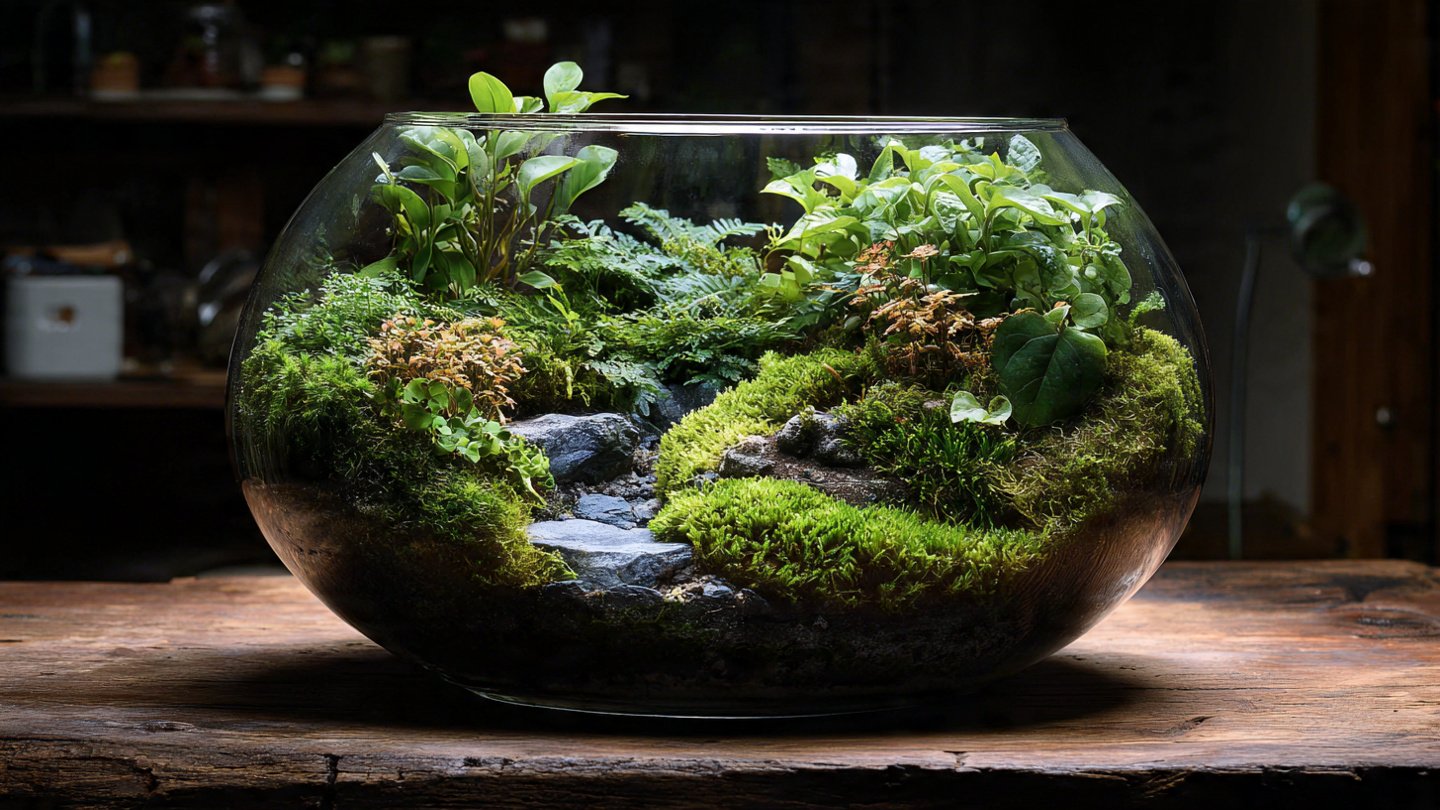

Terrariums are miniature ecosystems that allow you to bring a slice of nature indoors. While setting up a terrarium can be a fun and creative process, ensuring its long-term health requires some insightful choices about the materials used. One such often-overlooked material is charcoal. This article explores why charcoal is a secret weapon for thriving terrariums.
What Is Charcoal?
Charcoal is a porous, carbon-rich material created by burning organic matter in a low-oxygen environment. Unlike regular wood, which is often saturated with moisture and nutrients, charcoal has unique properties that make it invaluable for various gardening and horticultural uses.
Types of Charcoal Used in Terrariums
There are primarily two types of charcoal commonly used in terrarium setups:
- Activated Charcoal: This is the most commonly recommended type. Activated charcoal has been treated to increase its porosity, enhancing its ability to absorb toxins and odors.
- Horticultural Charcoal: This type is specifically designed for plant health and soil improvement. It helps improve drainage and aeration while also absorbing impurities in the soil.
The Benefits of Using Charcoal in Terrariums
Using charcoal in your terrarium setup offers several vital advantages:
1. Absorption of Toxins
Charcoal is a natural detoxifier. Its porous structure allows it to absorb harmful substances, chemicals, and toxins from the soil. This is particularly important in a closed ecosystem like a terrarium, where pollutants can accumulate over time, potentially harming plant and microorganism health.
2. Odor Control
Terrariums can sometimes develop unpleasant odors due to excess moisture and decaying organic matter. Activated charcoal effectively neutralizes these odors, helping keep your terrarium smelling fresh.
3. Improved Drainage
Charcoal promotes better drainage in the substrate mix of your terrarium. It prevents water from pooling at the bottom, which can lead to root rot and other plant diseases. This is essential for maintaining the moisture balance in a closed environment.
4. Aeration of Soil
Charcoal adds texture to the soil, improving its aeration. This allows plant roots to receive more oxygen, promoting healthier growth. It also encourages beneficial microorganisms to thrive, contributing to a healthy ecosystem.
5. Natural pH Buffer
Horticultural charcoal helps to stabilize pH levels in the soil, creating an optimal environment for plant growth. This pH buffering ability can be crucial for ensuring that your plants receive the nutrients they require without toxicity.
How to Incorporate Charcoal into Your Terrarium
Integrating charcoal into your terrarium setup is a straightforward process:
- Layering: Start with a thin layer of charcoal on the bottom of your terrarium. This acts as the first line of defense against odor and toxins.
- Soil Mix: Add a soil mix suitable for your plants and incorporate a small amount of charcoal into it. This enhances the beneficial properties further.
- Maintenance: Occasionally, you may need to refresh the charcoal layer. If odors return or drainage issues surface, it may be time to add more charcoal.
Choosing the Right Charcoal for Your Terrarium
When selecting charcoal for your terrarium, consider the following:
- Activated Charcoal: Make sure to choose high-quality activated charcoal that is specifically intended for horticultural use.
- Avoid Chemical Additives: Ensure that the charcoal contains no harmful chemicals or additives that could jeopardize plant health.
- Source: Purchase from reputable garden centers or online retailers that specialize in terrarium supplies.
The Importance of Regular Maintenance
Despite the protective qualities of charcoal, terrariums still require regular monitoring and maintenance. Here are some essential tips:
- Monitoring Moisture Levels: Ensure that the soil remains moist but not waterlogged. Charcoal helps in this regard, but you should still check the moisture levels regularly.
- Trimming Plants: Periodically trim or prune the plants to prevent overcrowding and encourage healthy growth.
- Refreshing Charcoal: Depending on your setup, refreshing the charcoal layer every few months can help maintain a healthy environment.
Conclusion
Charcoal may be a small component in the grand scheme of your terrarium, but it plays a crucial role in maintaining a thriving ecosystem. From odor control and toxin absorption to improving drainage and soil aeration, its benefits are unparalleled. By selecting the right type of charcoal and integrating it properly, you can significantly enhance the longevity and health of your terrarium. Embrace the power of charcoal, and watch your miniature garden flourish!
FAQs
1. Can I use regular charcoal from the grill?
No, it’s essential to use horticultural or activated charcoal designed for gardening. Charcoal from grills may contain chemicals or additives that can harm your plants.
2. How often should I replace the charcoal in my terrarium?
Depending on the size and conditions of your terrarium, it’s a good idea to check and refresh the charcoal every 3 to 6 months.
3. Can I use charcoal in all types of terrariums?
Yes, charcoal is beneficial for both closed and open terrariums. However, ensure that you choose the appropriate type for your specific setup.
4. What other materials should I use in a terrarium?
In addition to charcoal, you may want to include activated charcoal for odor control, potting soil, gravel or pebbles for drainage, and decorative elements like stones or figurines.
5. How does charcoal affect plant growth?
Charcoal improves aeration, drainage, and pH stabilization, contributing to better root health and more vigorous plant growth.