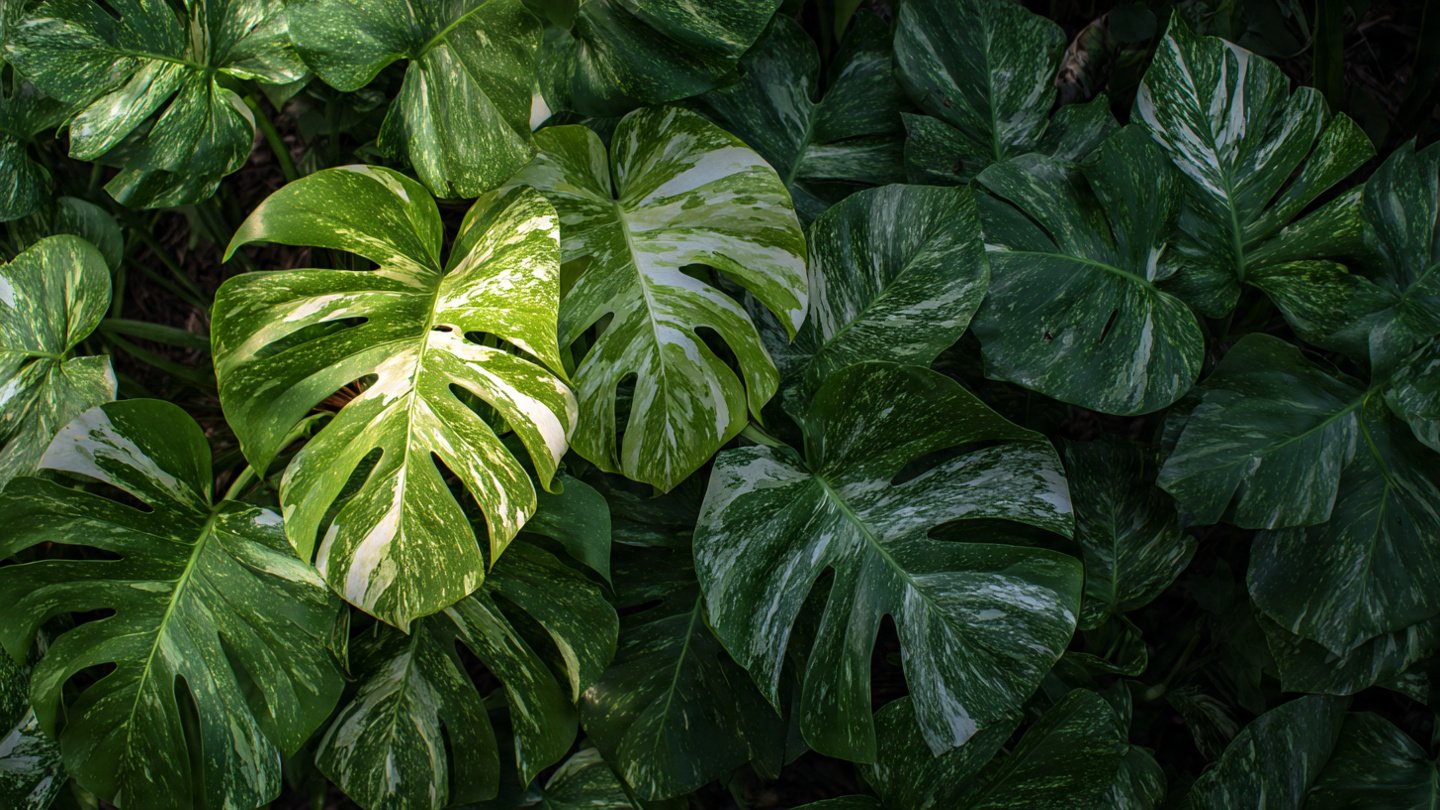

Why Does Your Variegated Monstera Thrive on More Light Compared to the Green One?
The Monstera plant, a popular choice among houseplant enthusiasts, is renowned for its stunning leaves and resilient nature. Among the different variants, the variegated Monstera—characterized by its striking patterns of yellow or white on dark green leaves—often intrigues plant lovers. One fascinating observation is how variegated Monsteras often seem to thrive under brighter light conditions compared to their wholly green counterparts. In this article, we will delve into the reasons behind this phenomenon, exploring the science of plant pigmentation, light absorption, and overall growth patterns.
The Basics of Plant Pigmentation
Before we explore why variegated Monsteras thrive under brighter conditions, it’s essential to understand the role of pigments in plants. Chlorophyll is the primary pigment responsible for photosynthesis, enabling plants to convert sunlight into energy. Green plants have a high concentration of chlorophyll, allowing them to absorb most of the light spectrum, particularly blue and red wavelengths.
In contrast, variegated plants possess both chlorophyll and areas devoid of it. The white or yellow sections of variegated Monstera leaves lack chlorophyll, which leads to reduced photosynthetic capability. While one might assume that this would hinder their growth, variegated plants have evolved ways to adapt to their unique leaf patterns.
Photosynthetic Adaptation of Variegated Plants
Variegated plants, such as Monstera, have developed unique adaptations to balance their reduced chlorophyll content. When exposed to higher light levels, they can often utilize the increased light for better growth. The leaves that contain chlorophyll can absorb sunlight efficiently, compensating for the areas lacking this pigment.
In brighter conditions, the photosynthetic pathways become more active, allowing the plant to maximize energy production through its green regions. This increased activity enables them to grow stronger and healthier, effectively thriving on higher light intensity. In lower light conditions, the lack of chlorophyll in variegated sections can lead to a slower growth rate or stagnation.
Light Spectrum and Variegation
The importance of light spectrum cannot be overstated. Variegated Monsteras tend to thrive in conditions that provide bright, indirect sunlight. This level of illumination allows for adequate chlorophyll activation while avoiding the potential stress caused by direct sunlight, which can scorch the delicate variegated patterns.
The differing pigmentation in the leaves allows variegated Monsteras to absorb necessary wavelengths effectively. While green leaves excel in capturing blue and red light, the white sections reflect light, contributing to a diverse light absorption profile. This diversity enables the plant to adapt over time, leading to improved photosynthetic efficiency.
Impacts of Water and Nutrient Uptake
Another factor contributing to the thriving nature of variegated Monsteras under brighter light is their enhanced ability to uptake water and nutrients. With increased light levels, photosynthesis ramps up, creating a higher demand for both water and essential nutrients. Variegated Monsteras often exhibit stronger root systems, allowing for better nutrient uptake in optimal lighting situations.
In well-lit environments, these plants may also show heightened growth of new leaves and roots, which provides a robust framework for continued growth, further promoting their overall health and vitality.
Environmental Factors Affecting Growth
The effects of humidity and temperature also play a significant role in the health of any Monstera variant, including the variegated type. While these plants can flourish in relatively high humidity, it is the combination of sufficient light and humidity that fosters optimal conditions for growth. Variegated Monsteras can handle more light as long as they are kept in humid environments which prevent the leaves from wilting or drying out.
The combination of light and humidity works hand-in-hand to ensure that they can effectively perform photosynthesis and transpiration—two processes crucial for plant growth and development. In ideal conditions, one can observe the variegated Monstera growing at a faster rate, producing larger and more colorful leaves.
Soil and Potting Considerations
The choice of soil and potting strategy can also influence the performance of variegated Monsteras. A well-draining mix that retains moisture but also allows for aeration is ideal for fostering strong root systems. This is particularly important when these plants are placed in brighter light settings, as their roots need to be able to access both water and nutrients effectively.
When well cared for, variegated Monsteras in optimal light conditions may exhibit enhanced growth rates, healthier leaves, and a vibrant appearance compared to their green counterparts. Additionally, repotting every couple of years with fresh soil can help replenish nutrients and maintain adequate drainage.
Conclusion
In conclusion, the thriving nature of variegated Monsteras in bright light is a fascinating interplay of biology, physics, and environmental factors. While the lack of chlorophyll in variegated areas creates certain limitations, the adaptations these plants have developed allow them to make the most of their surroundings. Increased light can bolster growth, enhance photosynthetic processes, and improve overall health, leading to the stunning appearance gardeners adore.
As with all plants, understanding the specific needs of your variegated Monstera, including light, humidity, and soil type, is crucial for optimal growth and vitality. Offering the right conditions will harness the impressive energy production capabilities of these unique plants, allowing them to flourish in your home.
FAQs
1. Can variegated Monsteras survive in low light?
While variegated Monsteras can adapt to lower light conditions, their growth may become slow, and they may not develop the vibrant colors and impressive foliage that thrive in brighter environments.
2. How often should I water my variegated Monstera?
Watering frequency depends on factors like humidity, light, and soil type. It’s generally best to allow the top inch of soil to dry out before watering again. Be cautious of overwatering, as it can lead to root rot.
3. Does variegation make the plant weaker?
Variegated plants have reduced photosynthetic efficiency due to less chlorophyll, but they can thrive in optimal conditions where light, humidity, and nutrients are balanced properly.
4. Can I propagate a variegated Monstera?
Yes, you can propagate variegated Monsteras through stem cuttings. Ensure that each cutting has a node to promote healthy root development during propagation.
5. What is the best light condition for variegated Monsteras?
Bright, indirect sunlight is ideal. Avoid direct sunlight, which can harm the delicate, variegated sections of the leaves.