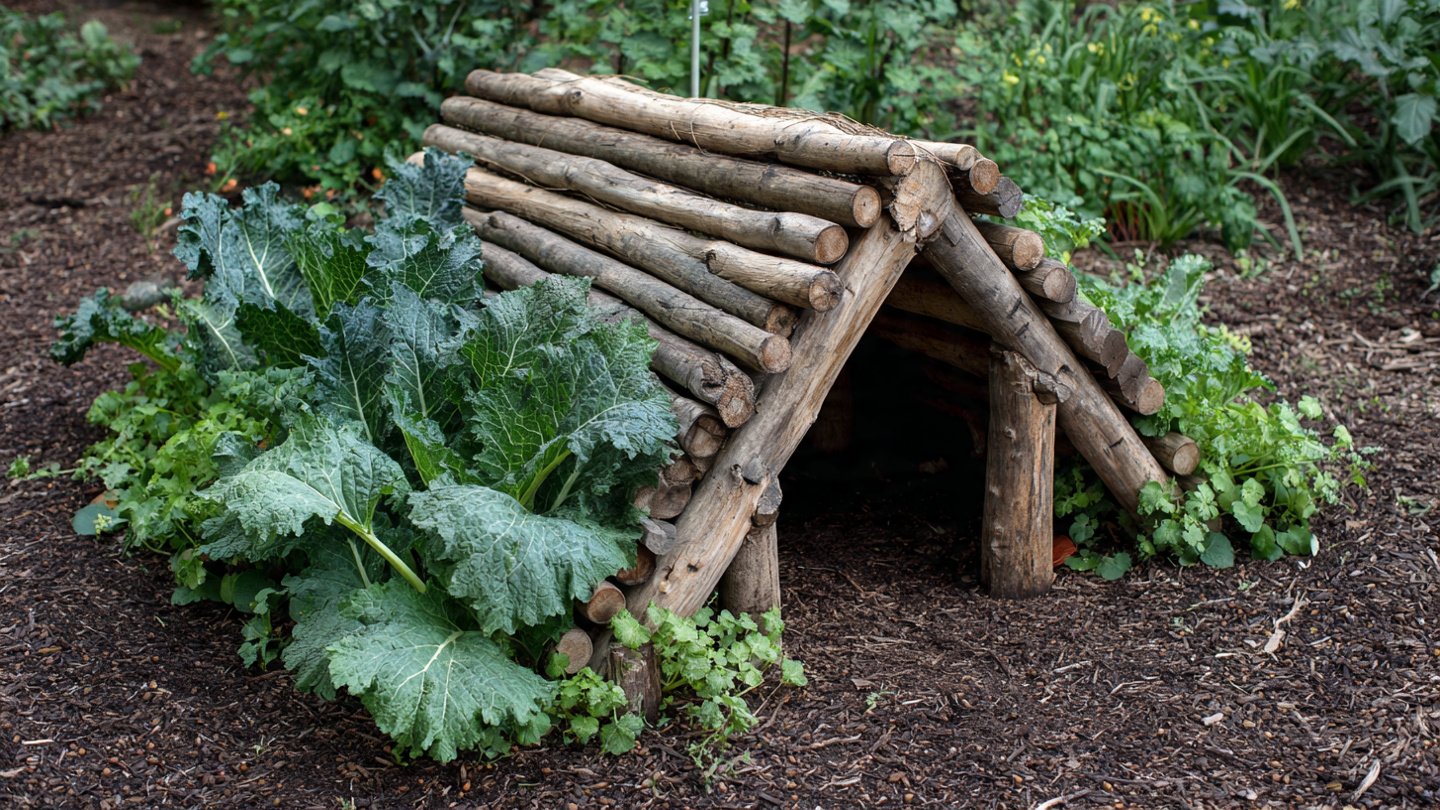

Gardening can be one of the most rewarding activities that brings joy, relaxation, and abundance. However, it also comes with its challenges, particularly in safeguarding your plants against pests and pests. One innovative and environmentally friendly solution that has gained popularity is the creation of a toad house in your garden. Though it may sound peculiar, introducing a toad house can be a powerful tool in protecting your vegetables. In this article, we will delve into the reasons why having a toad house in your garden is beneficial and how it contributes to the overall health of your garden ecosystem.
The Role of Toads in the Garden Ecosystem
Toads are often underrated inhabitants of garden ecosystems, but their role is crucial. As nocturnal hunters, toads consume a variety of pests that are detrimental to your plants. Here are a few ways in which they contribute:
- Pest Control: Toads primarily feed on insects such as slugs, snails, spiders, and even small rodents. By keeping these populations in check, toads naturally protect your vegetables from harm.
- Soil Aeration: The presence of toads often indicates a healthy, moist environment. Their movement through the soil helps aerate it, contributing to better water retention and improved nutrient absorption for your plants.
- Food Source for Other Wildlife: Toads also serve as an important link in the food chain. They provide nutrition for various birds, snakes, and other wildlife, ensuring a balanced ecosystem.
What Is a Toad House?
A toad house is essentially a shelter designed to provide a habitat for toads. It offers them a safe place to hide from potential predators and the elements, making it more likely for them to stay in your garden. Toad houses can be made from various materials, including natural stones, clay pots, or even prefabricated units available at garden centers. The main features should include:
- Shade: A cool, shaded area is essential for toads to escape the heat during the day.
- Entrance and Exit: The house should have a small opening for them to enter while still keeping larger predators out.
- Moss or Leaf Litter: Adding these materials increases moisture inside the toad house, making it more inviting.
The Benefits of Introducing a Toad House
Incorporating a toad house into your garden design offers numerous benefits:
Natural Pest Management
Toads are voracious eaters that can consume over 10,000 insects each year. This capability significantly reduces the need for chemical pesticides, making your garden more organic and sustainable. By attracting toads, you can ensure a natural balance and protect your crops from various pests.
Encourages Biodiversity
A toad house enhances biodiversity within your garden. By providing habitats for toads, you are also creating a welcoming environment for other beneficial organisms such as ladybugs, bees, and even certain birds. This interactive ecosystem will lead to healthier plants and robust vegetable yields.
Educational Opportunities
Creating a toad house can serve as an excellent educational opportunity for families, particularly children. It provides a chance to learn about amphibians, ecology, and the importance of biodiversity. Observing the toads can also deepen appreciation for nature and foster a sense of responsibility for garden upkeep.
How to Create a Toad House
Setting up a toad house is relatively simple. Here’s how you can create one:
- Choose the Right Location: Find a damp, shady spot in your garden. Near a water source, such as a pond or birdbath, is ideal.
- Gather Materials: You can purchase a toad house or make one using a large clay pot placed upside down. Just be sure to keep one side with an opening for easy access.
- Add Comfort Items: Fill the interior with moss, leaves, or even some soil to make it cozy.
- Water Source: Ensure there is a shallow water dish nearby for the toads to drink from and stay hydrated.
- Leave It Alone: After setting up, avoid disturbing the area frequently. Toads are shy creatures and need time to acclimate.
Tips for Attracting Toads
Once the toad house is set up, there are additional steps you can take to attract toads to your garden:
- Maintain Moisture: Keep your garden moist by watering regularly and mulching around your plants. Toads thrive in damp environments.
- Limit Use of Chemicals: Refrain from using chemical pesticides and herbicides that can harm toads and other beneficial insects.
- Provide Shelter: In addition to the toad house, leave some piles of leaves or logs around your garden to provide additional hiding spots.
Combining Toad Houses with Companion Planting
To make the most of your garden’s ecosystem, consider combining the toad house with companion planting. Some plants naturally repel specific pests that can harm your vegetables. For example, incorporating marigolds can deter nematodes and other pests while providing beauty to your garden. Pairing these plants with your toad house maximizes pest control benefits.
Challenges and Considerations
While toads are generally beneficial, it’s important to be aware of potential challenges. For instance, some gardens may attract unwanted predators like raccoons or cats, which might threaten toads. Regular monitoring and providing safe hiding spots can help mitigate this issue. Additionally, seasonal changes can affect toad behavior; during the winter, they may seek more sheltered locations, making it wise to have multiple shelters available throughout your garden.
Conclusion
In summary, a toad house is a simple yet effective addition to your vegetable garden that offers numerous benefits. From natural pest control and enhancing biodiversity to providing educational opportunities, introducing toads into your garden ecology can lead to healthier plants and abundant harvests. By creating a welcoming environment for toads, you cultivate not just vegetables but an entire ecosystem that supports plant life and enhances your gardening experience.
FAQs
1. How long does it take for toads to find a new toad house?
It may take some time—anywhere from a few days to several weeks—for toads to discover and settle into a new toad house. Be patient and continue to provide a suitable environment.
2. Do toads hibernate?
Yes, toads typically hibernate during the colder months. They will burrow into soft soil or hidden locations in search of warmth.
3. What should I do if I find a toad in my yard?
If you find a toad in your yard, leave it undisturbed, as it is likely doing its part in controlling pests. You can gently move it if necessary, but always ensure it is released in a safe area with access to moisture.
4. Can I keep a toad as a pet?
It’s best to leave wild toads in their natural habitat. If you want a pet, consider adopting from a reputable source that allows captive-bred toads.
5. Are all toads safe for the garden?
Most native toads are safe and beneficial for gardens. However, it’s best to research local species to ensure they are compatible with your environment.