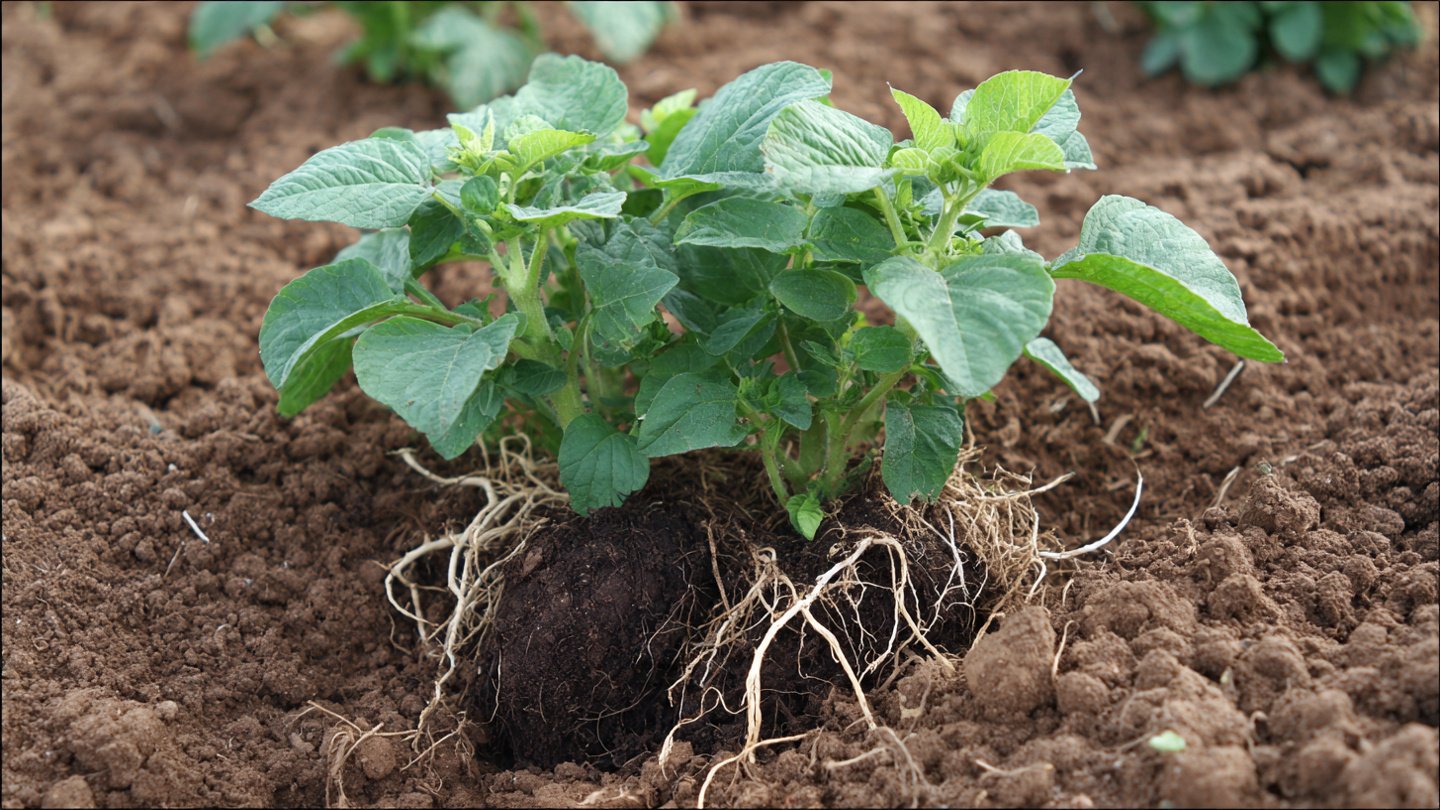

Potatoes are one of the most versatile and widely consumed crops around the globe. They are relatively easy to grow, making them a favorite among gardeners and farmers alike. However, to maximize yield, certain gardening techniques prove to be essential. One such method is the practice of burying potato plants twice, also known as “hilling.” This article delves into the reasons behind this technique, its benefits, and how it contributes to better potato yields.
Understanding the Hilling Process
Hilling involves piling soil up around the base of potato plants at various stages of their growth. It typically occurs when the plants are between 6 to 12 inches tall, and again around two weeks later. This practice serves several crucial purposes for successful potato cultivation.
1. Encouraging Tubers to Grow
When potato plants are buried a second time, more of the plant’s stems are covered with soil, allowing additional tubers to form along those buried stems. Potatoes grow from the underground portions of the stem, and the more of the stem that’s buried, the more potential there is for tuber development. Therefore, by hilling twice, you not only protect existing tubers but also create a greater opportunity for the formation of new ones.
2. Preventing Sun Exposure
Potatoes are sensitive to sunlight. When tubers are exposed to light, they undergo a chemical reaction that turns them green and introduces solanine, a toxic compound. By burying the plants adequately, you help ensure that the developing potatoes remain shielded from sunlight and thus, avoid greening. This contributes to a healthier crop that is safe to eat.
3. Improving Drainage and Reducing Rot
Good drainage is critical for the health of potato plants. When water accumulates around the base of the plants, it can cause tubers to rot. Hilling creates a mound that improves drainage by allowing excess water to flow away from the roots and tubers. This practice consequently diminishes the risk of fungal diseases and promotes healthier growth overall.
4. Enhancing Soil Aeration
Hilling also improves soil aeration. When soil is piled around the base of the plants, it creates space around the roots for air to circulate. Adequate aeration is vital for root health; it encourages nutrient absorption and fosters strong plant growth. Additionally, it helps in the growth of beneficial microorganisms in the soil, which can further aid plant health.
5. Weed Control
Another significant benefit of hilling is its role in weed management. By burying the lower parts of the plants, you are also covering the soil around the base, which can prevent weeds from taking hold. Weeds compete with potato plants for nutrients, water, and light, and reducing their presence directly impacts yield. Hilling reduces the flow of sunlight to weed seeds, effectively stunting their growth.
How to Hill Your Potato Plants
Now that we understand the benefits of hilling, let’s look at how to do it effectively:
- Initial Planting: After planting your potato tubers, allow them to sprout until they reach 6 to 12 inches in height.
- First Hilling: Use a hoe or shovel to mound additional soil against the base of the plants. Aim for a height of about 4 to 6 inches around the stems, but avoid burying the leaves.
- Second Hilling: Approximately two weeks after the first hilling, when plants have grown larger, repeat the process. This effective doubling up can significantly enhance your yield.
Conclusion
Burying potato plants twice is an effective and beneficial technique that can lead to better yields. Hilling encourages tuber development, prevents sun exposure, improves drainage, enhances soil aeration, and helps control weeds. By incorporating this simple yet effective horticultural practice, gardeners can maximize their potato harvest and enjoy a healthier, more abundant crop. Whether you are a novice gardener or an experienced grower, hilling is a valuable technique that can boost both the quantity and quality of your potato yield.
FAQs
1. How often should I hill my potato plants?
Typically, you should hill your potato plants twice: once when they reach about 6 to 12 inches tall and again two weeks later. However, if your climate or soil conditions require it, you may adjust the timing slightly to suit your specific needs.
2. What if I miss the hilling time?
If you miss the ideal hilling time, it’s still beneficial to hill your plants as soon as possible. While the first hilling is ideal to promote growth, any future hilling can still offer similar advantages such as improved drainage and weed control.
3. Can I use other materials for hilling instead of soil?
Yes, some gardeners use straw, grass clippings, or compost as alternatives to soil when hilling. These materials can help with moisture retention and add fertility to the soil over time.
4. Will hilling affect the size of my potatoes?
Typically, hilling can lead to larger potatoes, as it encourages the plants to produce more tubers. However, final potato size will also depend on other factors like soil quality, water availability, and overall plant health.
5. Is hilling necessary for all types of potatoes?
While hilling is beneficial for most potato varieties, some may be more tolerant to different soil practices. It’s generally advisable for those looking to maximize yield and maintain healthy tubers.