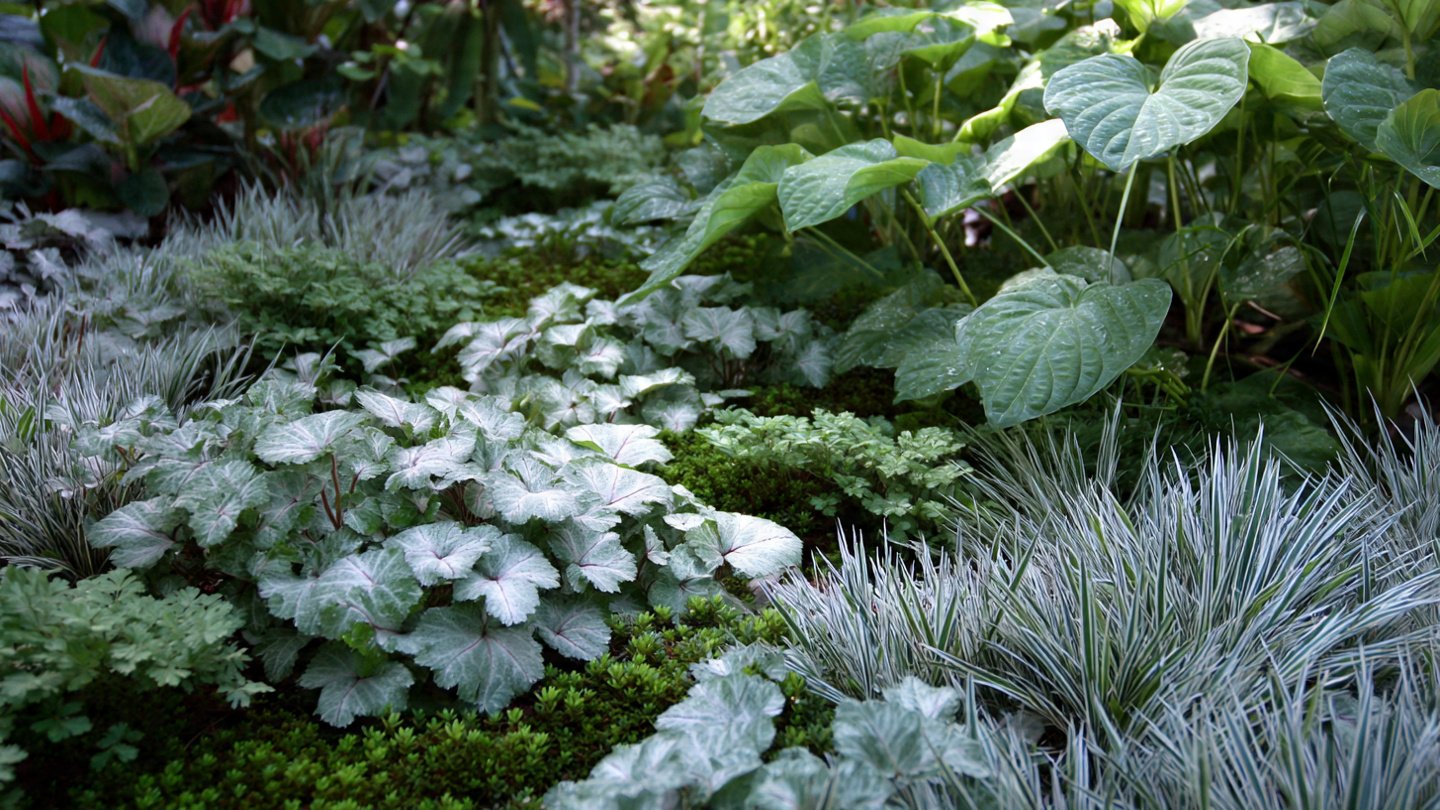

In the world of landscaping, the choice of groundcovers can significantly affect the overall aesthetic and functionality of a garden or landscape design. Among the various options available, silver-toned groundcovers are gaining popularity, particularly in shaded areas. This article explores the reasons why professional landscapers favor these unique plants and how they contribute to a stunning and sustainable landscape design.
The Aesthetic Appeal of Silver-Toned Groundcovers
The visual aspect of any landscape is crucial, and silver-toned groundcovers offer a unique palette that captures the eye. Their muted, silvery hues add elegance and calmness to shaded areas, offering a stunning contrast against darker foliage and vibrant blooms. A well-placed silver-toned groundcover can:
- Create a sense of serenity and tranquility.
- Provide visual interest, enhancing the depth of color in a garden.
- Complement various architectural styles and other landscape elements.
Landscapers appreciate how these plants harmonize with both contemporary and traditional designs, making them versatile options for varied settings.
Shade Tolerance
One of the primary reasons for choosing silver-toned groundcovers in shaded areas is their adaptability to low light conditions. Many silver-toned plant species are naturally adapted to thrive in shade, where other plants may struggle to survive. This shading tolerance reduces the maintenance burden for landscapers, as these plants are less likely to need supplemental watering and fertilizers compared to traditional varieties. Common silver-toned groundcovers that thrive in shaded areas include:
- Silver Mound (Artemisia schmidtiana)
- Lamium maculatum (Spotted Deadnettle)
- Stachys byzantina (Lamb’s Ear)
These species not only survive but often flourish, ensuring a vibrant and healthy landscape with minimal intervention.
Soil Improvement and Erosion Control
Silver-toned groundcovers also play a vital role in soil health and stability. Their dense growth habit helps prevent soil erosion while also improving soil structure through root systems that aerate the soil. This process allows better water drainage and nutrient availability for surrounding plants, promoting a healthy ecosystem.
Furthermore, when these groundcovers decompose, they enrich the soil with organic matter, enhancing its fertility. Improperly managed soils can lead to runoff and erosion, so incorporating these plants not only beautifies a landscape but also fosters a sustainable environment.
Wildlife Attraction
Landscapers increasingly consider the ecological impacts of their designs. Silver-toned groundcovers can provide shelter and food for various wildlife, including beneficial insects, birds, and small mammals. They often attract pollinators like bees and butterflies, contributing to a balanced ecosystem in the garden.
By creating a biodiversity-friendly landscape, professional landscapers not only enhance the beauty of a garden but also support environmental sustainability, making silver-toned groundcovers a smart choice for both aesthetics and ecology.
Low Maintenance Requirements
Another compelling reason for the popularity of silver-toned groundcovers among professionals is their low maintenance needs. Once established, these plants typically require minimal care, which is a significant advantage for busy landscapers. Their inherent resilience means that they can tolerate drought, competition from weeds, and pests better than many other groundcovers. This trait allows landscapers to focus on other areas of the landscape, reducing labor costs and time spent on upkeep.
Versatility in Landscaping Designs
Silver-toned groundcovers can be utilized in various landscaping designs. Whether creating a modern, minimalist garden or a lush, cottage-style landscape, these plants offer unique versatility. They work beautifully in:
- Rock gardens and xeriscapes where water conservation is crucial.
- Mixed borders alongside colorful perennials for added textural contrast.
- As a lush underplanting in woodlands to create a naturalistic feel.
Their adaptability allows landscapers to use silver-toned groundcovers creatively, enhancing the overall design and utility of the garden.
Environmental Benefits
The environmental impact of landscaping choices is increasingly important. Silver-toned groundcovers contribute to enhanced sustainability through:
- Reducing water usage due to their drought tolerance.
- Decreasing the need for chemical fertilizers and pesticides.
- Providing habitat for local wildlife and supporting pollinator populations.
These benefits make silver-toned groundcovers not just a visual asset, but an environmentally responsible choice for professional landscapers committed to sustainability.
Conclusion
Silver-toned groundcovers have established themselves as a favorite among professional landscapers for their beauty, robustness, and ecological benefits. Their adaptability to shade, minimal maintenance requirements, and ability to create stunning visual contrasts make them a valued addition to any landscape design. From enhancing aesthetic appeal to promoting biodiversity and sustainability, silver-toned groundcovers offer multifaceted advantages that make them a smart choice for landscaping projects.
FAQs
1. What are some popular silver-toned groundcovers for shady areas?
Some popular options include Silver Mound (Artemisia schmidtiana), Lamium maculatum (Spotted Deadnettle), and Stachys byzantina (Lamb’s Ear).
2. Do silver-toned groundcovers require a lot of maintenance?
Generally, silver-toned groundcovers are low-maintenance once established. They often require less watering and are resilient to pests and diseases.
3. Can I use silver-toned groundcovers in sunny areas?
While they are primarily favored for shade, some silver-toned groundcovers can thrive in sun as well, but it’s essential to check specific plant needs.
4. How do silver-toned groundcovers contribute to soil health?
They improve soil structure through root systems that aerate the soil and enhance fertility when they decompose.
5. Are silver-toned groundcovers beneficial for wildlife?
Yes, they can provide shelter and food for beneficial insects, pollinators, and small animals, promoting biodiversity in the garden.