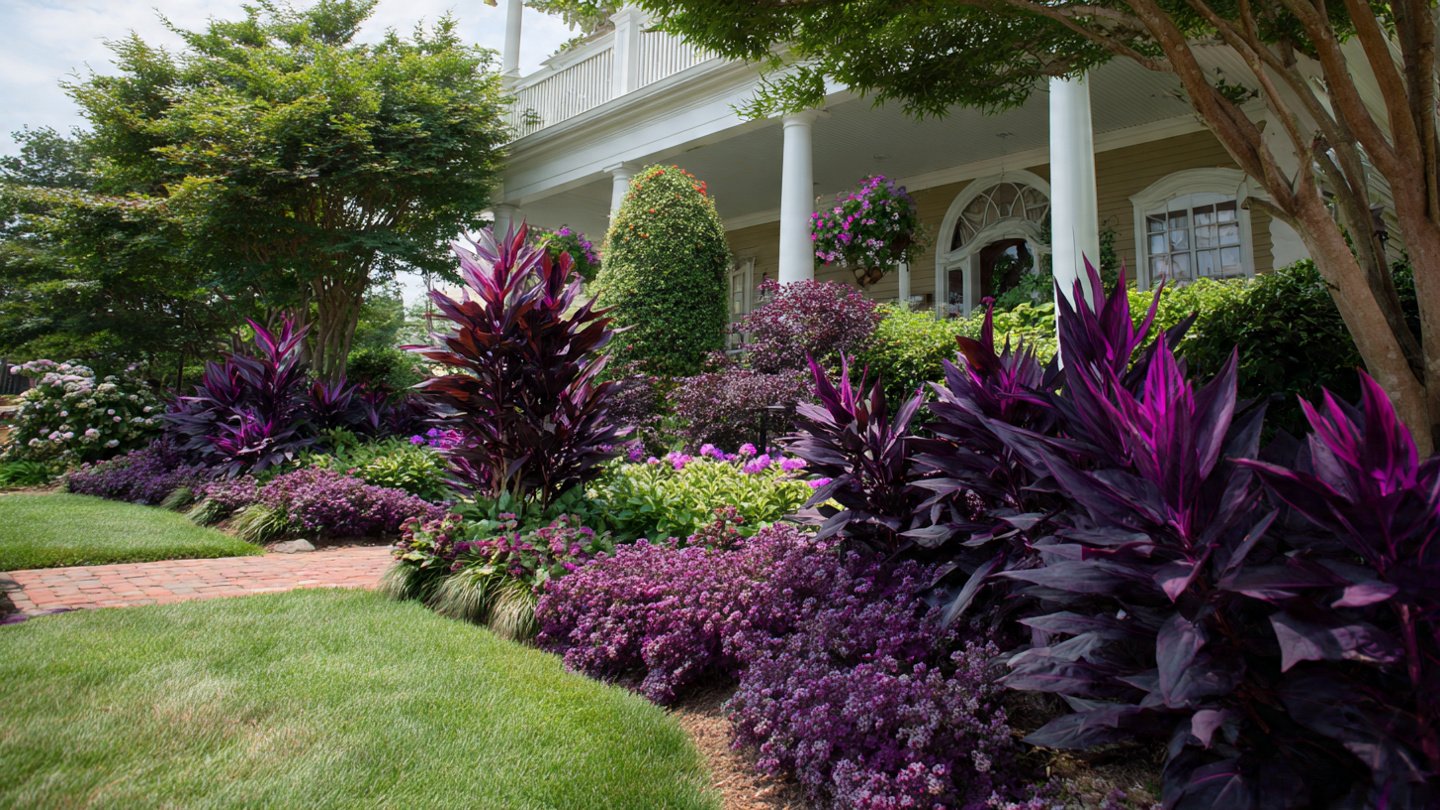

When it comes to landscape design, color plays a critical role in the overall aesthetic and functionality of outdoor spaces. Among the myriad colors that promote beauty, purple foliage has garnered a special place in the hearts of professional landscapers. Its unique hues offer an elegant contrast to the lush greens commonly found in gardens, making landscapes visually compelling. But why do professional landscapers adore purple foliage? This article delves into the reasons behind the widespread affection for purple plants in landscaping.
1. Aesthetic Appeal
Purple foliage provides a striking visual contrast that can serve as the focal point of any garden. The rich tones of purple, ranging from deep plum to soft lavender, can elevate an otherwise mundane landscape. Professionals often use these plants to create a sense of balance and harmony, enhancing the overall aesthetic value.
2. Versatility
Purple plants can fit seamlessly into various landscaping styles. Whether your design leans towards modern, traditional, or eclectic, the adaptability of purple foliage allows it to complement various flowers and shrubs. This versatility enables landscapers to create designs that speak to different tastes while being cohesive.
3. Seasonal Interest
Unlike many plants that may only offer vibrant blooms during specific seasons, purple foliage can provide year-round interest. For instance, certain varieties, like the Smoke Tree (Cotinus coggygria), boast stunning purple leaves in spring and summer, transitioning to stunning shades of burnt orange and red in the fall. This seasonal variability allows landscapers to design spaces that are continually captivating.
4. Enhancing Color Palette
When paired with other colors in the garden, purple foliage can enhance the overall color palette. It acts as a neutral backdrop, allowing other colors—such as vibrant reds, yellows, and blues—to pop. By integrating purple plants, landscapers can create depth and complexity in their designs, resulting in a richer visual experience.
5. Psychological Benefits
Purple is often associated with luxury, creativity, and tranquility. These psychological associations can enhance the emotional and mental well-being of individuals enjoying outdoor spaces. For this reason, landscapers may choose purple foliage strategically to foster peace and harmony within gardens, parks, and recreational areas.
6. Unique Textures
Beyond color, many purple-leaved plants exhibit unique textures that contribute to the garden’s overall design. For example, the jagged leaves of Japanese Maple (Acer palmatum) or the waxy surfaces of Purple Heart () create tactile variety that engages visitors on multiple sensory levels.
7. Attracting Pollinators
Many purple plants, such as Lavender and Bee Balm (Monarda), are not only visually appealing but also effective at attracting pollinators like bees and butterflies. This aspect of purple foliage can enhance the ecological health of a garden, making it a practical choice for environmentally conscious landscaping.
8. Low Maintenance Options
Some purple-leaved plants, such as Heuchera or Barberry (Berberis), are relatively low maintenance and resilient. Their ability to thrive in various soil conditions and climates means that landscapers can incorporate them into a landscape design without the constant upkeep that other, more delicate plants might require. This practicality allows professionals to create beautiful landscapes while minimizing their maintenance efforts.
9. Complementary to Various Hardscapes
Purple foliage works well with various hardscape materials, including stone pathways, wooden features, and modern metal accents. Its rich colors can soften harsh lines and add a touch of elegance to hard landscaping elements. As a result, landscapers often find purple plants invaluable in creating cohesive outdoor spaces.
10. Cultural Significance
In various cultures, purple has historical and symbolic meanings, often associated with nobility and spirituality. Incorporating purple foliage in landscaping can reflect cultural values or local heritage, enriching the narrative and connection of a space to its inhabitants.
Conclusion
Purple foliage has earned its esteemed status among professional landscapers for numerous compelling reasons. From its striking aesthetic appeal and versatility to its psychological benefits and seasonal interest, purple plants can transform ordinary landscapes into extraordinary spaces. As the love for purple foliage continues to grow, so too does its presence in gardens, parks, and urban landscapes, enriching our outdoor experiences.
FAQs
1. What types of purple foliage plants are best for landscaping?
Some popular choices include Japanese Maple, Smoke Tree, Barberry, Heuchera, and Purple Heart. These plants offer diverse textures and colors to complement any landscape.
2. How can I incorporate purple foliage into my garden?
Consider using purple plants as focal points, borders, or highlights among other colors. Layering them with green foliage can enhance their visual impact.
3. Are purple-leaved plants generally easy to maintain?
Many purple foliage plants, like Heuchera and Barberry, are quite resilient and low maintenance, making them an excellent choice for busy gardeners.
4. Do purple plants attract pollinators?
Yes, many purple flowering plants attract beneficial pollinators like bees and butterflies, making them a great choice for creating an eco-friendly garden.
5. What are some seasonal benefits of purple foliage?
Purple foliage can offer stunning visuals across different seasons, transitioning colors and enhancing landscape interest throughout the year.