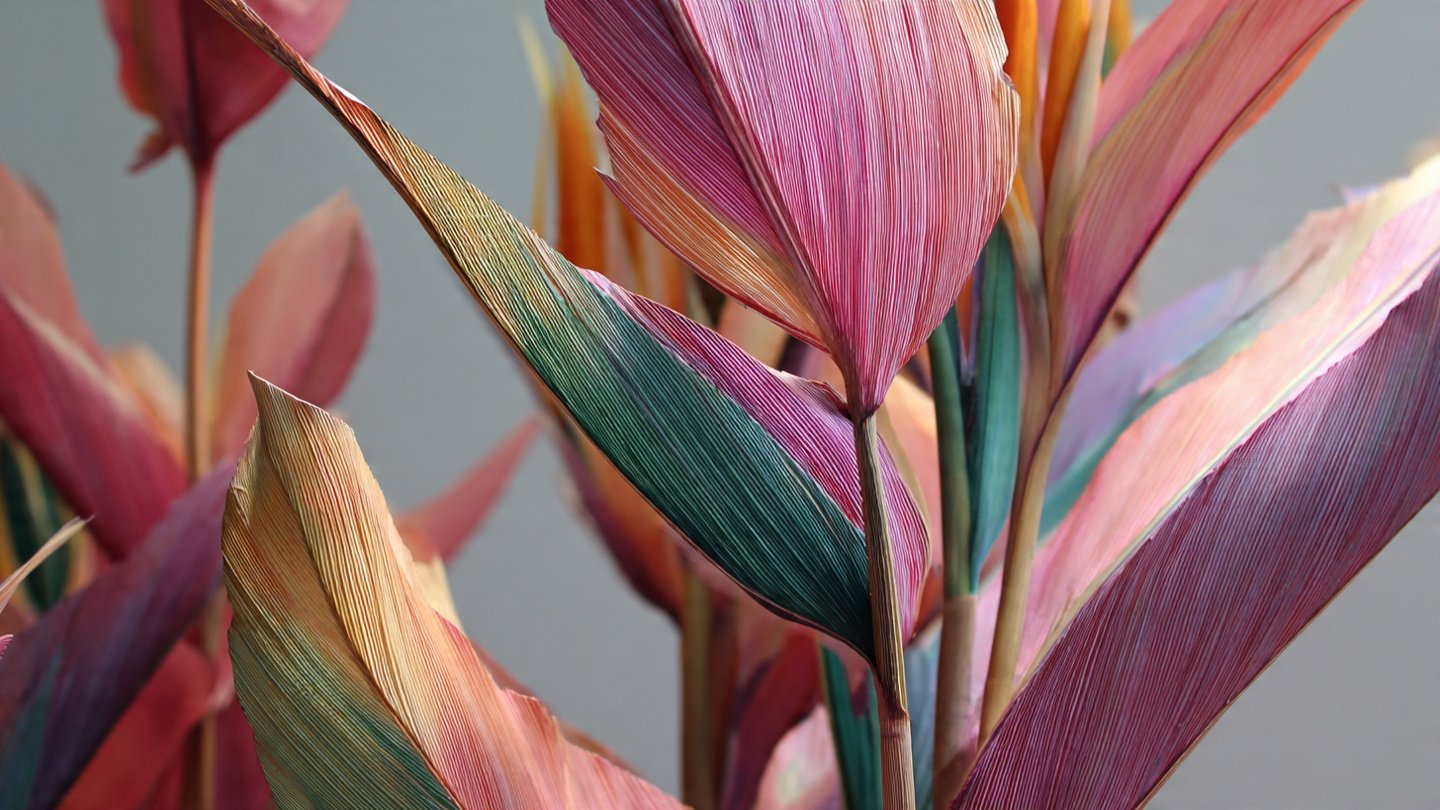

The Bird of Paradise (Strelitzia reginae) is one of the most popular tropical houseplants admired for its stunning, exotic flowers and large, beautiful leaves. Despite its resilience, many plant owners encounter a common problem: splitting leaves. Understanding why this occurs is essential for maintaining the health and beauty of your plant. Here we’ll explore the various reasons behind leaf splitting and provide solutions to remedy the situation.
Common Causes of Leaf Splitting
Leaf splitting in Bird of Paradise plants can occur due to a multitude of factors. Below we outline the most common reasons:
1. Improper Watering
One of the primary reasons for leaf splitting is improper watering. Both overwatering and underwatering can lead to stress on the leaves.
- Overwatering: When the soil is consistently soggy, the roots may rot, leading to insufficient nutrient and water uptake. As a result, the leaves may develop issues, including splitting.
- Underwatering: Conversely, if the soil dries out too much between waterings, the plant may become dehydrated, causing the leaves to lose their integrity and split.
2. Low Humidity
Bird of Paradise plants thrive in a humid environment. Low humidity levels can cause the leaves to dry out and split. This is particularly common in dry indoor conditions, especially during winter months. Regular misting or placing a humidifier nearby can help maintain ideal humidity levels.
3. Excessive Light Exposure
Bird of Paradise plants love bright light but can suffer if exposed to too much direct sunlight. Intense light can scorch the leaves, leading to damage and splitting. Position your plant in a location where it receives bright, indirect light for optimal growth.
4. Nutrient Deficiency
A lack of essential nutrients like nitrogen, potassium, or calcium can lead to weak leaves that are more prone to splitting. Regular fertilization during the growing season can mitigate this risk. Look for balanced fertilizers that promote overall plant health.
5. Natural Growth Patterns
It’s important to understand that some leaf splitting is a natural characteristic of the Bird of Paradise. As the plant matures, older leaves may split while new growth emerges. This is not always a cause for concern but should be monitored for any exacerbating factors.
6. Pests/Diseases
Pests like spider mites or scale insects can weaken a plant, leading to leaf damage. Similarly, certain fungal infections can manifest as splits or tears in the leaves. Regularly inspecting your plant for signs of pest infestation or disease is crucial for early intervention.
How to Prevent Leaf Splitting
Now that we’ve identified the causes of leaf splitting, let’s discuss how to prevent and treat these issues.
1. Maintain a Consistent Watering Schedule
To ensure your plant is receiving the right amount of water, check the top inch of soil before watering. If it’s dry, it’s time to water, but if it’s still moist, hold off. This approach can help prevent both overwatering and underwatering.
2. Create Humidity
To improve humidity levels, try grouping plants together or using a pebble tray with water beneath the plant pot. Alternatively, consider a humidifier for a more substantial and consistent humidity level, particularly in dry indoor environments.
3. Regulate Light Exposure
Monitor the amount of direct sunlight your Bird of Paradise is receiving. If the leaves appear scorched or bleached, consider moving the plant to a location with bright, indirect light. This can help maintain leaf integrity.
4. Fertilize Regularly
During the growing season, apply a balanced, water-soluble fertilizer every 4–6 weeks. This will provide essential nutrients to help your plant grow healthy, robust leaves. Always follow package instructions to avoid over-fertilization.
5. Regular Inspections
Conduct routine checks for pests and signs of disease. If you spot any issues, treat them promptly with insecticidal soap or other appropriate pest control methods. Keeping your plant healthy reduces the likelihood of leaf splitting.
6. Prune Dead or Damaged Leaves
If you notice prominent splits or dead leaves, prune them off to allow the plant to focus its energy on healthy growth. Use clean, sharp scissors to avoid introducing any diseases during this process.
Conclusion
In conclusion, while leaf splitting in your Bird of Paradise can be concerning, it is often a manageable issue. By understanding the causes—such as improper watering, low humidity, excessive light, nutrient deficiency, and pests—you can take proactive measures to maintain your plant’s wellbeing. Ensuring the right care conditions will inspire growth and allow your plant to thrive, showcasing its stunning, iconic leaves without unsightly splits. By following the recommendations outlined above, you can enjoy a vibrant, healthy Bird of Paradise in your home.
FAQs
Q1: Can I still keep my Bird of Paradise with split leaves?
A1: Yes, as long as the splitting is not a result of serious underlying problems, your plant can still thrive. However, addressing the causes will help prevent further damage.
<h3>Q2: How can I tell if my Bird of Paradise is getting too much sunlight?</h3>

<p>A2: If the leaves show signs of browning, yellowing, or scorched edges, it may be getting too much direct sunlight. Try moving it to a location with filtered light.</p>
<h3>Q3: Is it necessary to fertilize my Bird of Paradise? If so, how often?</h3>

<p>A3: Yes, fertilization is important for healthy growth. Fertilize every 4–6 weeks during the growing season with a balanced fertilizer.</p>
<h3>Q4: Can I use tap water for my Bird of Paradise?</h3>

<p>A4: Tap water is generally acceptable, but allow it to sit for 24 hours to let chlorine dissipate. Rainwater or distilled water is even better.</p>
<h3>Q5: What does it mean if my plant is losing leaves?</h3>

<p>A5: Leaf loss can indicate stress from overwatering, underwatering, or other environmental factors. Assess the growing conditions and make adjustments accordingly.</p>