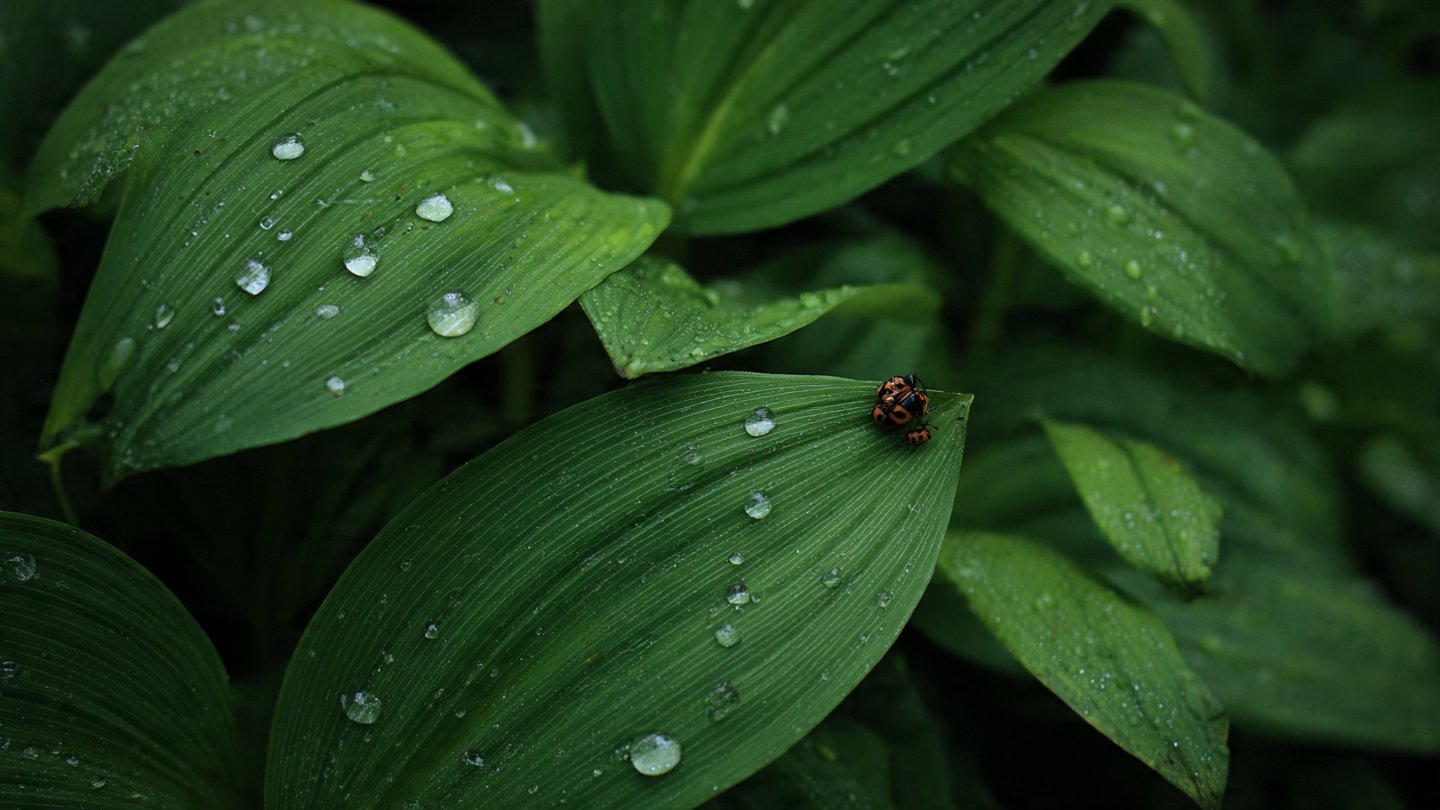

Lily plants are a stunning addition to any garden, but they often attract pesky beetles that can wreak havoc on their beautiful leaves. Among the most common culprits are the lily leaf beetle (Lilioceris lilii) and the Asian lily beetle (Lilioceris lilii). Understanding how to protect your lilies from these insects is essential for maintaining their health and vibrancy. In this article, we will explore effective methods to safeguard your lily leaves from beetle damage, helping your garden to thrive.
Understanding the Threat
Before diving into prevention techniques, it’s important to understand the threats posed by lily beetles. These pests typically feed on the leaves of lily plants, causing significant damage. Left unchecked, beetles can reduce the plant’s ability to photosynthesize, leading to weakened plants that may ultimately fail to bloom.
Identifying the Beetles
- Lily Leaf Beetle: A small beetle, typically bright red or orange, with a black head and legs. They often leave behind skeletonized leaves.
- Asian Lily Beetle: Similar in appearance to the lily leaf beetle, but slightly larger and may have a matte finish. Their larvae can be particularly damaging as they feed on the underside of leaves.
Preventive Measures
Effective prevention is the key to protecting your lily leaves from beetle damage. Here are some proven strategies:
1. Regular Monitoring
One of the most effective techniques for combating beetles is to regularly inspect your lilies. Early detection is crucial. Look for:
- Adult beetles on the surface of the leaves.
- Eggs, which appear as small clusters of orange or yellow dots.
- Caterpillar-like larvae, often found on the underside of leaves.
Checking your plants frequently enables you to act swiftly before significant damage occurs.
2. Handpicking
For small infestations, handpicking may be the most straightforward solution. Wear gloves and gently remove the beetles, eggs, and larvae from your plants. This method is effective for immediate control and is environmentally friendly.
3. Natural Predators
Encouraging natural predators can help control the beetle population. Ladybugs and lacewings feed on the eggs and larvae of lily beetles, reducing their numbers. Planting flowers that attract these beneficial insects can create a balanced ecosystem in your garden.
4. Biological Control
Using nematodes, tiny worm-like creatures, can be an effective biological control method. Nematodes attack and kill the larvae of lily beetles in the soil. When using nematodes, it’s essential to follow the application instructions carefully to ensure effectiveness.
5. Insecticidal Soap and Neem Oil
If infestations persist, using insecticidal soap or neem oil can be effective. These organic solutions work by suffocating the pests and are safe for most plants. Be sure to:
- Apply the solution during the early morning or late evening to avoid harming beneficial insects.
- Reapply every 4-7 days, especially after rain.
6. Row Covers and Barriers
Using lightweight row covers can be an excellent preventive measure. They create a physical barrier that prevents beetles and other pests from reaching your lilies. Ensure that the covers allow sunlight and moisture to pass through and are secured well to avoid any openings.
Maintaining Healthy Plants
Healthy plants are less susceptible to beetle damage. Here are some tips for maintaining healthy lily plants:
- Proper Watering: Ensure your lilies receive adequate water, but avoid overwatering, which can lead to root rot.
- Fertilization: Consider using organic fertilizers to promote healthy growth. Avoid excessive nitrogen, which can attract pests.
- Cutting Back: After flowering, remove dead foliage and spent blooms, which can harbor pests and diseases.
Conclusion
Protecting lily leaves from beetle damage requires a combination of monitoring, natural methods, and, if necessary, organic pest control solutions. By regularly checking your plants and adopting a proactive approach toward pest management, you can enjoy the beauty of your lilies without fear of beetle damage. Maintaining proper plant health ensures that your lilies remain vibrant and resilient, creating a stunning focal point in your garden.
FAQs
Q: What should I do if I find beetles on my lilies?
A: Start by handpicking any visible beetles and larvae. Regularly monitor your plants and consider using insecticidal soap or neem oil if the problem persists.
Q: How can I tell if my lilies are infested?
A: Look for signs such as adult beetles, orange or yellow eggs on the leaves, or skeletonized leaves, which indicate feeding damage.
Q: Are there any natural predators that can help control beetle populations?
A: Yes, ladybugs and lacewings feed on beetle larvae and can help control populations. Planting flowers that attract these insects can be beneficial.
Q: Can I still grow lilies if I have a persistent beetle problem?
A: Yes, but you’ll need to adopt a more proactive pest management approach, including regular inspections and potential treatments.
Q: What is the best time to apply pest control treatments?
A: Apply treatments during the early morning or late evening to minimize the impact on beneficial insects and reduce evaporation.