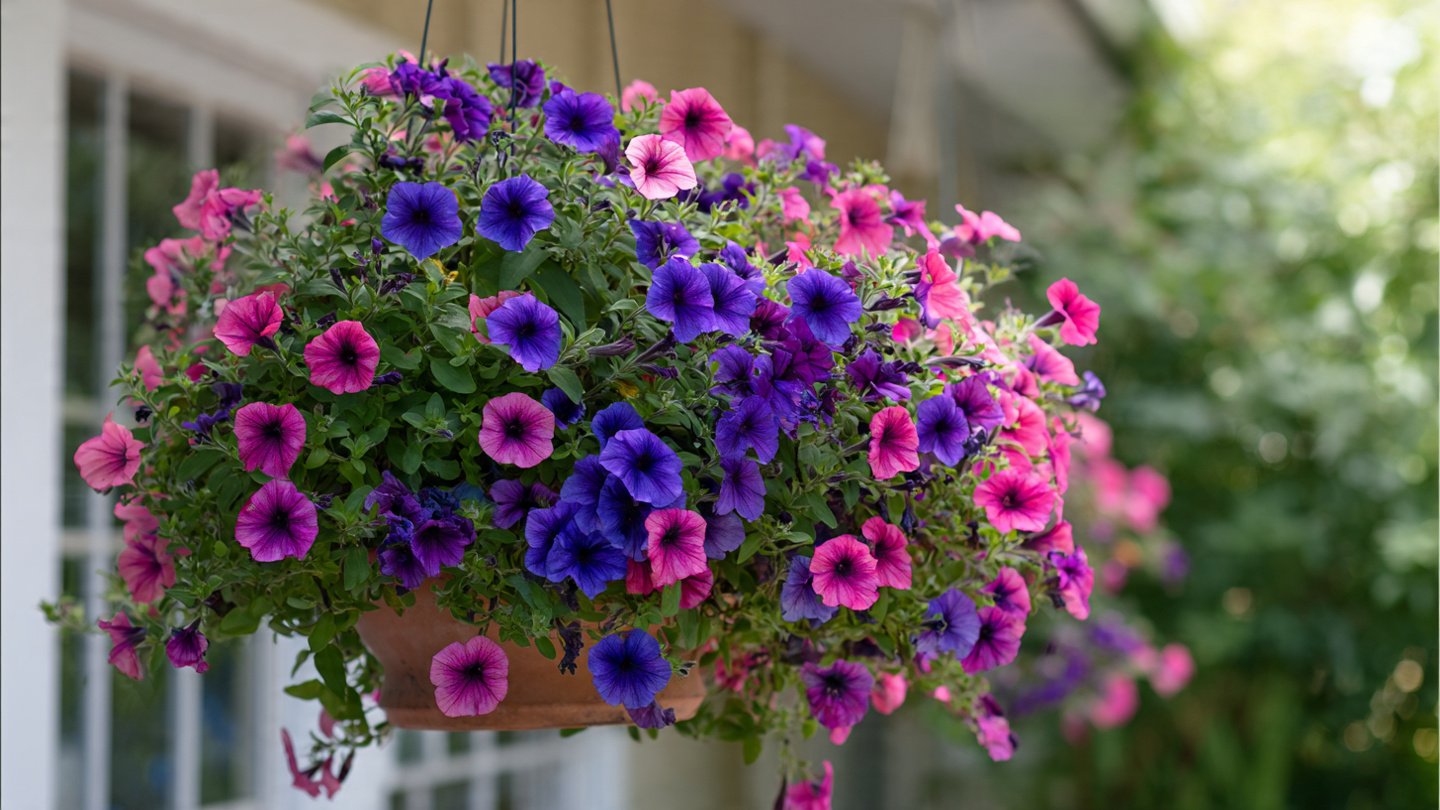

Hanging baskets are not just garden accents; they are vibrant expressions of nature that bring life to patios, balconies, and entryways. The right combination of plants can create an exquisite display that flourishes all season long. But how do you ensure that your hanging baskets remain full, lush, and colorful from spring through fall? Let’s delve into the secrets of keeping your hanging baskets thriving.
1. Choosing the Right Basket
Material Matters
The first step to a successful hanging basket is selecting the appropriate basket. Traditional wire baskets lined with sphagnum moss offer breathability but can dry out quickly. Plastic and resin baskets retain moisture well but may not provide adequate aeration. Terracotta is another great option, as it absorbs water, aiding in moisture retention. Consider the climate of your area when selecting the material to maximize effectiveness.
Size and Depth
Larger, deeper baskets generally hold more soil and moisture, which can support larger plants. A basket with a diameter of at least 12 inches is ideal for creating a robust arrangement. This size also offers ample room for root development, contributing to a fuller appearance.
2. Selecting the Right Plants
Annuals vs. Perennials
Choosing the right plants is crucial for maintaining a vibrant display. Annuals provide continuous blooms and variety, while perennials offer longevity from year to year. Mixing the two can yield stunning results; annuals bloom profusely in the first year, while perennials can serve as a reliable backdrop.
Plant Height and Structure
When designing your hanging basket, consider the height and structure of the plants. Combine trailing plants, such as petunias or ivy, with upright varieties like geraniums or salvia. This layering creates depth and visual interest, allowing each plant to shine in its own right.
Color Coordination
Color plays a vital role in the overall aesthetic of your hanging baskets. Selecting complementary colors can create a harmonious design. For example, combine purple petunias with white verbena for a striking contrast. Additionally, varying shades of the same color can create a monochromatic masterpiece.
3. Planting Techniques
Soil Selection
Choosing the right potting mix is essential for the health of your plants. A high-quality, lightweight potting mix filled with peat moss or coconut coir is ideal. These ingredients enhance drainage while retaining necessary moisture. Consider using a soilless mix enriched with slow-release fertilizers for added nutrients.
Layering for Success
When planting, layer your plants based on their growth habits. Begin with trailing plants at the edge and add upright plants in the center. This arrangement enables the trailing plants to cascade beautifully while allowing the center plants to serve as focal points.
Spacing and Density
Proper spacing is crucial to achieve full baskets. Crowding plants can lead to competition for nutrients and water, stunting growth. Aim for a spacing of about 6 to 12 inches, depending on the size of the plants. While it may seem sparse initially, plants will fill in over time.
4. Watering Wisely
Consistent Moisture
Maintaining consistent moisture is one of the most challenging aspects of hanging basket care. During hot weather, baskets can dry out rapidly. A general rule of thumb is to water when the top inch of soil feels dry. Depending on the weather and the size of the basket, this can mean watering every day or every few days.
Watering Method
Water the basket thoroughly, ensuring that water seeps out from the bottom holes. This technique allows for complete saturation of the root system. Avoid shallow watering, as it can lead to weak root establishment. Also, consider utilizing self-watering baskets or reservoirs to simplify the process.
Avoiding Watering Issues
Be cautious of overwatering, as this can lead to root rot and other issues. Always ensure that your basket has drainage holes and never let it sit in standing water. An excellent way to check moisture retention is to squeeze the soil slightly. If it clumps together, it’s too wet; if it crumbles, it’s too dry.
5. Feeding Your Plants
Fertilization Schedule
Regular feeding is vital to keep your hanging baskets full and vibrant. Use a balanced, water-soluble fertilizer every two to four weeks during the growing season. This will provide your plants with the nutrients they need to thrive. Look for fertilizers high in nitrogen for leafy growth and potassium for blooms.
Types of Fertilizers
Consider using slow-release fertilizers for long-lasting nourishment. These release nutrients steadily over time, reducing the need for frequent applications. Additionally, organic options, such as compost tea or fish emulsion, can also provide nutrients while being environmentally friendly.
Special Considerations
Pay attention to the specific needs of each plant variety in your basket. Some may require more frequent feeding, while others may thrive with less. Understanding your plants’ needs will help you tailor the fertilization schedule for optimal results.
6. Pruning and Deadheading
Encouraging New Growth
Regular pruning and deadheading are essential for maintaining the health of your baskets. Removing faded flowers encourages plants to produce new blooms. You can do this by pinching off spent flowers or using scissors for more established plants.
Shaping and Tidying
Trimming back leggy or overgrown plants not only keeps the basket looking tidy but also promotes bushier growth. Regularly pruning encourages side shoots, leading to a denser appearance.
Seasonal Refresh
As the season progresses, consider replacing plants that start to wane with new varieties. This gives your basket a fresh look while ensuring it remains vibrant and lively.
7. Pest and Disease Management
Identifying Issues
Regularly inspect your baskets for pests such as aphids, spider mites, and whiteflies. Early detection is key. Look for signs of distress, such as discolored leaves, webbing, or sticky residue.
Natural Remedies
Consider using organic pest control methods. Insecticidal soap and neem oil are effective against many common pests while being gentle on beneficial insects. Always follow application instructions for the best results.
Prevention is Key
Strong, healthy plants are less susceptible to pests and diseases. Maintaining good watering practices, proper fertilization, and regular pruning helps to bolster plant defenses.
8. Consider Environmental Factors
Sunlight Requirements
Understanding the sunlight needs of your plants is imperative. Most flowering plants prefer at least six hours of direct sunlight each day. If you have a shaded area, choose shade-tolerant varieties that thrive in lower light conditions.
Climate Considerations
Consider your local climate while selecting plants. In hotter regions, plants may require more frequent watering. Conversely, cooler climates might necessitate hardier species that can withstand fluctuating temperatures.
Wind Protection
If your baskets are outdoors exposed to gusty winds, consider positioning them in sheltered areas. Wind can dry out plants rapidly and cause damage, so putting them under a porch or awning can help preserve their health.
9. Seasonal Transition
Spring Preparation
As winter fades, it’s time to prepare your baskets for the growing season. Start by cleaning existing baskets and inspecting for damage. Acid wash terracotta or plastic baskets to ensure a clean slate for new plantings.
Fall Transition
As the growing season concludes, transition to cooler weather by incorporating seasonal plants. Consider adding ornamental kale, pansies, or winter-hardy perennials. This not only extends the life of your baskets but also introduces seasonal flair.
Conclusion
Maintaining hanging baskets full of life and color is achievable with some planning and care. By choosing the right materials, selecting appropriate plants, and adhering to watering and feeding schedules, your baskets can become a stunning feature all season long. Remember to stay vigilant for pests and make seasonal adjustments to keep the display fresh and vibrant. With attention to detail and a bit of creativity, your hanging baskets can elevate your outdoor space into a lush paradise. Happy gardening!