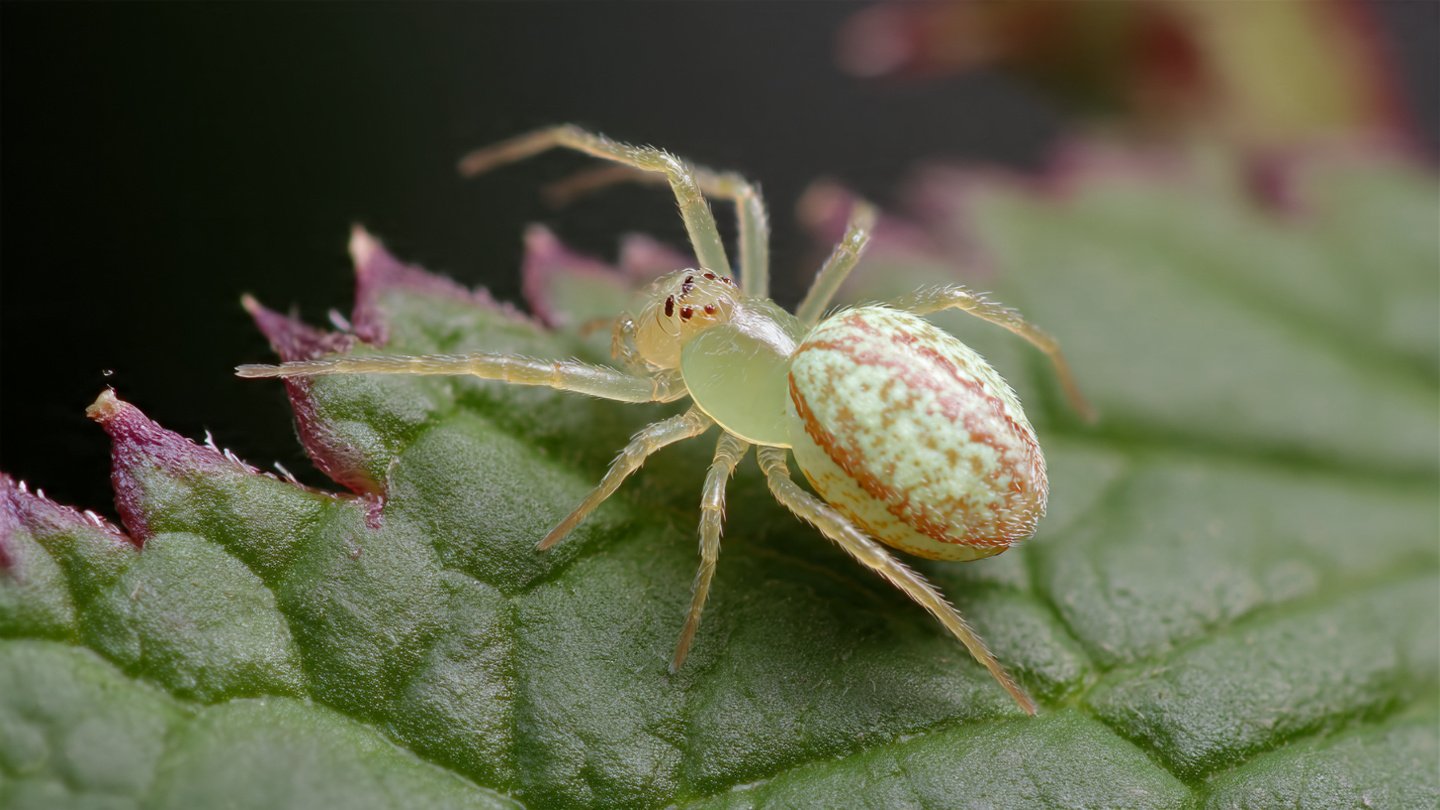

Spider mites are tiny pests that can wreak havoc on your plants and gardens. While chemical pesticides are commonly used to combat them, there are numerous natural methods that can effectively eliminate spider mites without harming the environment. This article will explore several of these methods, helping you protect your plants in a more sustainable way.
Understanding Spider Mites
Spider mites belong to the mite family Tetranychidae and are among the most common pests found in both outdoor and indoor gardens. They thrive in hot, dry conditions, making them a persistent problem for plant owners.
Common symptoms of spider mite infestations include yellowing leaves, stippling, and fine webs on the undersides of leaves. If left untreated, they can severely damage or even kill plants.
Natural Methods to Control Spider Mites
1. Increase Humidity
Spider mites thrive in dry conditions, so increasing the humidity around your plants can help deter them. Here are some methods to increase humidity:
- Use a Humidifier: Place a humidifier near your plants to circulate moist air.
- Group Plants Together: By clustering plants, the cumulative humidity will rise.
- Water Trays: Place shallow trays filled with water near your plants. As the water evaporates, it will increase humidity.
2. Natural Predators
Introducing natural predators is an effective and eco-friendly method to control spider mite populations. Here are a few predators to consider:
- Ladybugs: These beneficial insects consume spider mites and their larvae.
- Lacewings: They are voracious eaters of spider mite eggs and nymphs.
- Predatory Mites: Species like Phytoseiulus persimilis can specifically target and feed on spider mites.
3. Neem Oil
Neem oil is a natural pesticide derived from the seeds of the neem tree. It is effective in neutering spider mites, disrupting their life cycle, and ultimately reducing their population. Here’s how to use it:
- Mixing: Combine 2 tablespoons of neem oil with 1 liter of water and a few drops of dish soap.
- Application: Spray the mixture on affected plants, focusing on the undersides of leaves where spider mites often hide.
- Frequency: Apply every 7-14 days or as needed until the infestation clears.
4. Insecticidal Soap
Insecticidal soap is another effective natural remedy for spider mites. It works by suffocating the mites upon contact. Here’s how to make your own:
- Ingredients: Mix 1 tablespoon of mild liquid soap (like castile soap) with 1 liter of water.
- Application: Spray the solution on infested plants, ensuring thorough coverage.
- Reapplication: Repeat every few days until the mites are gone.
5. Homemade Garlic Spray
Garlic is known for its pest-repellent properties. A homemade garlic spray can help deter spider mites. Follow these steps:
- Preparation: Blend 1-2 cloves of garlic with 2 cups of water, and let it steep overnight.
- Strain: Strain the mixture and add a few drops of dish soap to enhance adherence.
- Application: Spray on affected plants, particularly the undersides of leaves.
6. Diatomaceous Earth
Diatomaceous earth (DE) is a natural powder made from the fossilized remains of tiny aquatic organisms. It can effectively control spider mites by damaging their exoskeletons. Here’s how to use it:
- Application: Lightly dust diatomaceous earth on affected areas of your plants.
- Reapplication: Reapply after rain or watering, as it loses effectiveness when wet.
7. Essential Oils
Certain essential oils have proven beneficial in repelling spider mites. Consider the following options:
- Peppermint Oil: Mix 10-15 drops in water and spray on infested areas.
- Rosemary Oil: Similar to peppermint, it can be diluted and applied to repel spider mites.
- Lavender Oil: Not only does it smell great, but it also acts as a deterrent for many pests.
Conclusion
Spider mites can pose a significant threat to your plants, but with the right natural methods, you can effectively manage their populations without relying on chemicals. By increasing humidity, introducing natural predators, and utilizing natural remedies like neem oil and insecticidal soap, you can create an environment that keeps spider mites at bay. Remember that consistency is key; regular monitoring and treatment will yield the best results. By choosing natural approaches, you not only protect your plants but also contribute to a healthier ecosystem.
FAQs
1. How do I know if I have a spider mite infestation?
Look for signs such as yellowing or stippled leaves, fine webs on the underside of the leaves, and tiny specks moving on the plant. A magnifying glass is helpful for identification.
2. Are spider mites dangerous to humans or pets?
No, spider mites do not pose a direct threat to humans or pets. However, they can severely damage plants, leading to an unappealing garden or home environment.
3. Can I use multiple natural methods at once?
Yes! Combining methods can enhance effectiveness in controlling spider mites. Just ensure that the combinations do not negatively interact or harm your plants.
4. How often should I check my plants for spider mites?
Regular inspections—at least once a week—are crucial, especially during dry and hot conditions when spider mites tend to thrive. Look under the leaves and in dense areas of the plant.
5. Will these natural methods work for other pests as well?
Many of these natural methods can also help combat other pests like aphids, whiteflies, and mealybugs, making them versatile tools in your pest management arsenal.