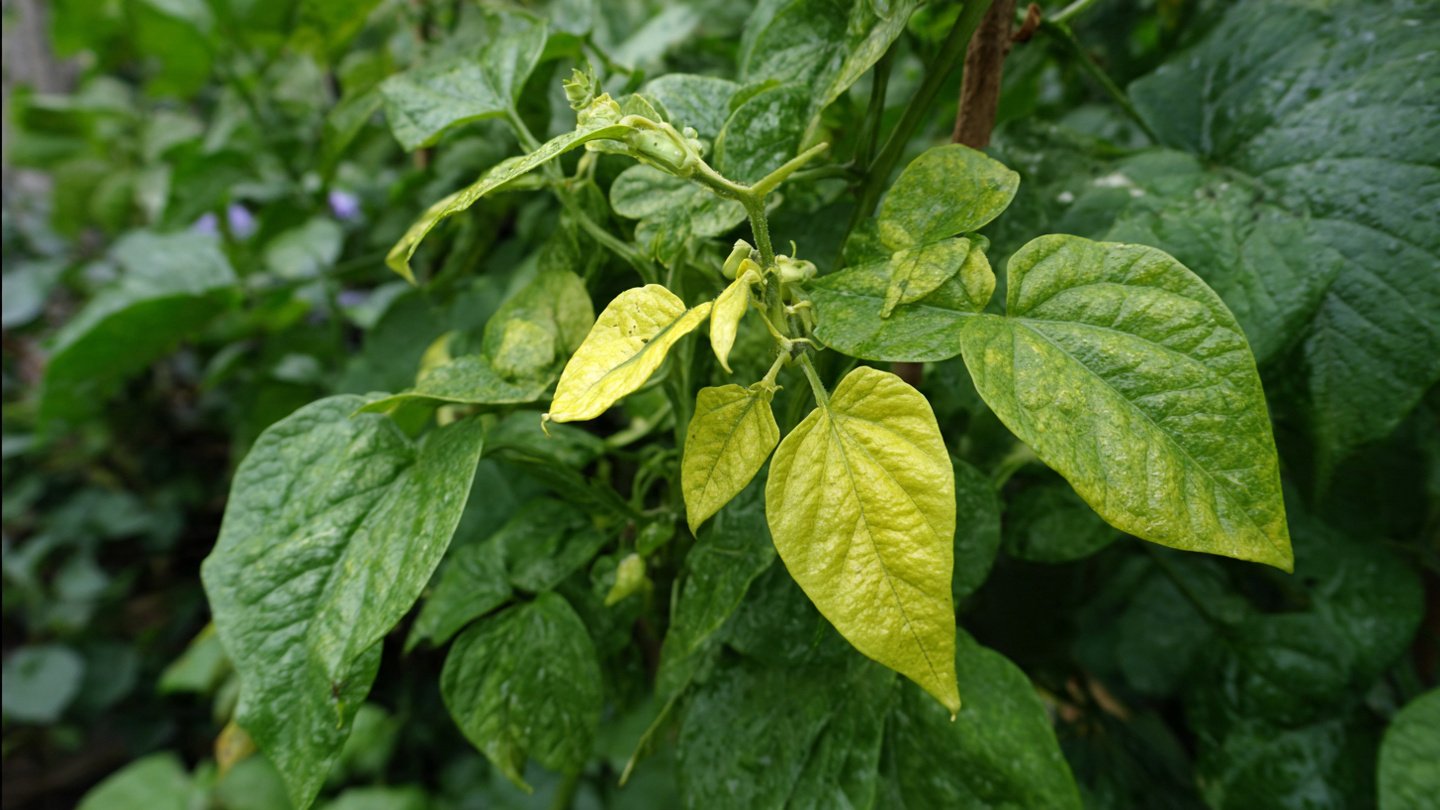

Growing bean plants can be an incredibly rewarding endeavor, but it’s not without its challenges. One common issue many gardeners face is the yellowing of bean leaves. Yellow leaves can indicate a variety of underlying problems, and understanding the causes is crucial for plant health and yield. In this article, we’ll explore the various factors that might be causing your bean plants to turn yellow, and we’ll discuss potential solutions to help restore your plants to their thriving state.
1. Nutrient Deficiencies
Nitrogen Deficiency
One of the most common reasons for yellowing in bean plants is a nitrogen deficiency. Nitrogen is essential for the production of chlorophyll, the pigment responsible for the green color in plants. When this nutrient is lacking, leaves may turn yellow, especially the older leaves first.
Symptoms:
- Yellowing begins on older leaves and moves upwards.
- Stunted growth.
Recommendations:
- Use nitrogen-rich fertilizers such as compost or fish emulsion.
- Consider soil testing to determine nutrient levels.
Iron Deficiency
Iron deficiency is another culprit that can lead to yellowing leaves, particularly in young leaves. Unlike nitrogen, iron chlorosis often results in a pattern where the veins of the leaves remain green while the areas between turn yellow.
Symptoms:
- Yellow leaves with green veins, especially in young growth.
- Older leaves may remain unaffected.
Recommendations:
- Apply chelated iron or iron sulfate.
- Ensure a slightly acidic pH in the soil, as high pH can inhibit iron absorption.
2. Overwatering
Waterlogged Soil
While beans require consistent moisture, overwatering can lead to waterlogged soil, which deprives roots of oxygen. This condition promotes root rot, leading to yellow leaves and potentially plant death.
Symptoms:
- Yellowing leaves starting from the base.
- Foul smell from the soil or mushy roots.
Recommendations:
- Improve drainage with organic matter.
- Allow the top inch of soil to dry out between watering.
3. Underwatering
Drought Stress
Conversely, insufficient watering can also cause bean plants to turn yellow. When plants don’t receive enough water, they prioritize survival, leading to leaf yellowing, wilting, and potentially dropping leaves.
Symptoms:
- Leaves may be curled or wilting.
- Dry, cracked soil.
Recommendations:
- Establish a consistent watering schedule.
- Use mulch to retain moisture in the soil.
4. Soil pH Imbalances
Optimal Range for Beans
Beans thrive in slightly acidic to neutral soil with a pH of 6.0 to 7.0. If the soil is too acidic (below 6.0) or too alkaline (above 7.0), nutrient availability can be affected, leading to deficiencies that cause yellowing.
Symptoms:
- Uniform yellowing of leaves.
- Poor growth and reduced yield.
Recommendations:
- Test soil pH with a kit.
- Amend soil with lime to raise pH or sulfur to lower it, as needed.
5. Pests and Diseases
Insect Infestations
Pests such as aphids, spider mites, and whiteflies can sap the nutrients from bean plants. Their feeding can cause leaves to turn yellow and stunt growth.
Symptoms:
- Yellowing leaves, usually starting from the tips or between veins.
- Presence of pests or honeydew on leaves.
Recommendations:
- Introduce beneficial insects like ladybugs.
- Use insecticidal soap or neem oil.
Fungal Diseases
Fungal diseases like powdery mildew or root rot can also lead to yellowing leaves. Powdery mildew typically appears as white spots on leaves, which can then turn yellow.
Symptoms:
- Yellowing accompanied by white spots or fuzz.
- Leaf drop in severe cases.
Recommendations:
- Ensure good air circulation by spacing plants appropriately.
- Treat with fungicides and remove infected leaves.
6. Environmental Stress
Temperature Fluctuations
Bean plants are sensitive to temperature extremes. High temperatures can lead to heat stress while low temperatures can stunt growth and cause yellowing.
Symptoms:
- Yellowing leaves with possible curl or wilting.
- Slowed growth or no flower formation.
Recommendations:
- Choose temperature-appropriate planting times.
- Use row covers to protect young plants from temperature extremes.
Sunburn
Direct, intense sunlight can cause sunburn on leaves, leading to patches of yellowing and browning. This is more common in young plants or in regions with extreme heat.
Symptoms:
- Yellow spots or patches on the leaves, often on the upper side.
- Leaves may also appear crispy or burnt.
Recommendations:
- Provide shade cloth during peak sunlight hours.
- Gradually acclimate young plants to direct sun.
7. Root Problems
Root Damage
Physical damage to roots from transplanting or excessive cultivation can impede nutrient uptake and lead to yellowing. Compacted soil can also restrict root growth.
Symptoms:
- Yellowing leaves coupled with poor growth.
- Roots may be visibly damaged or compacted.
Recommendations:
- Handle plants gently during transplanting.
- Aerate soil to improve root penetration.
8. Companion Planting Issues
Allelopathy
Certain plants can have allelopathic properties, where they release chemicals that inhibit the growth of nearby plants. This can lead to stress and yellowing of bean plants planted near such species.
Symptoms:
- Yellowing leaves without clear signs of pests or diseases.
- Poor overall plant health.
Recommendations:
- Research companion planting strategies.
- Ensure beans are planted away from potential allelopathic species like garlic or onion.
9. Harvesting Practices
Timing of Harvest
Waiting too long to harvest can lead to issues, including yellowing leaves as the plant begins to decline after peak production.
Symptoms:
- Yellowing leaves along with pods that may become tough or dry.
- Overall decline in plant vigor.
Recommendations:
- Monitor for optimal harvesting times.
- Collect beans while they are still tender for best results.
Conclusion
In summary, yellowing leaves in bean plants can stem from a variety of causes including nutrient deficiencies, over or under-watering, soil pH imbalances, pest infestations, environmental stresses, root problems, companion planting issues, and improper harvesting practices. By diagnosing the underlying issue accurately, gardeners can implement appropriate solutions to restore their beans to health.
Regular monitoring, proper cultural practices, and soil management will significantly minimize the risk of yellowing leaves while maximizing growth and yield. Through patience and informed care, your bean plants can flourish, producing delicious, nutritious harvests. Happy gardening!