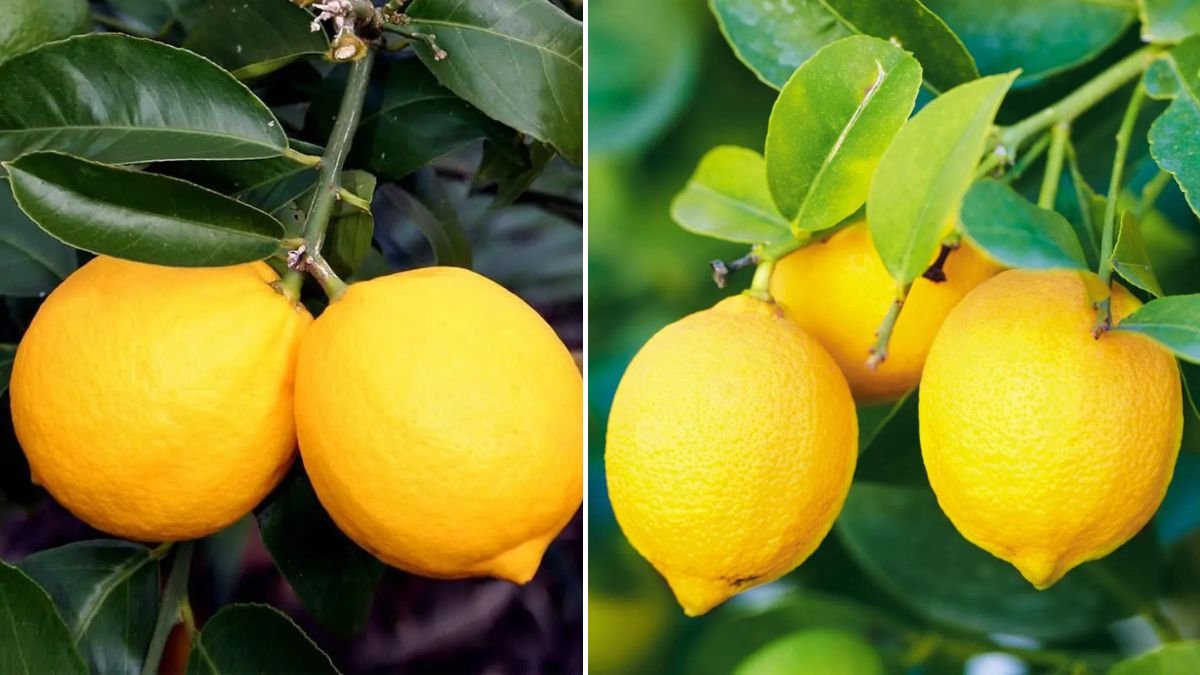

Lemon is one of the most widely used fruits in the world. From refreshing drinks to powerful home remedies, from culinary flavoring to cleaning agents, this small yellow fruit has an extraordinary influence on our daily lives. But beyond its tangy taste and bright color lies a deep scientific identity that connects lemon to a vast plant family, ancient history, and fascinating biological traits.
So, what exactly is the scientific name of lemon?
The scientific name of lemon is Citrus limon.
But that is just the beginning of lemon’s story. Let’s explore what this name means, where lemons come from, how they are classified, and why this tiny fruit is so important in science, health, and agriculture.
Why Plants Have Scientific Names
Before diving deeper into lemons, it helps to understand why scientific names exist. Plants around the world often have many common names depending on the country, language, and culture. For example, lemon is called nimbu in Hindi, limón in Spanish, and citron in French. This creates confusion for scientists, farmers, and researchers.
To solve this problem, scientists use a universal naming system called binomial nomenclature, developed by Swedish botanist Carl Linnaeus. In this system, each plant is given two names:
- Genus – the group the plant belongs to
- Species – the specific type within that group
For lemon:
- Genus: Citrus
- Species: limon
So the scientific name is Citrus limon.
The Plant Family of Lemon
Lemon belongs to a large plant family called Rutaceae, commonly known as the citrus or rue family. This family includes:
- Oranges
- Limes
- Grapefruit
- Tangerines
- Pomelo
All citrus fruits share certain characteristics, such as fragrant flowers, thick peels, juicy segments, and high vitamin C content.
Within this family, lemon belongs to the genus Citrus, which contains all true citrus fruits.
What Does Citrus limon Mean?
The name Citrus comes from an ancient Latin word used for aromatic plants. It refers to the strong fragrance found in citrus leaves, flowers, and peels.
The word limon comes from Middle Eastern and Persian languages, which influenced the naming of citrus fruits in Europe. Over time, it became the modern word “lemon.”
So, Citrus limon literally means “the lemon citrus plant.”
Origin and History of Lemon
Lemons did not originate in Europe or America, as many people believe. Their roots go back thousands of years.
Scientists believe lemons originated in northeastern India, northern Myanmar, and China. They are thought to be a natural hybrid between citron and bitter orange.
From Asia, lemons traveled to the Middle East, then to Europe through Arab traders. Later, Christopher Columbus brought lemon seeds to the Americas in the 15th century. Today, lemons are grown all over the world, especially in:
- India
- Italy
- Spain
- United States (California and Florida)
- Mexico
Botanical Description of Citrus limon
The lemon tree is an evergreen plant, meaning it stays green all year. It usually grows between 10 to 20 feet tall.
Leaves
The leaves are glossy, oval-shaped, and dark green. They give off a citrus scent when crushed.
Flowers
Lemon flowers are white on the inside and pinkish on the outside. They have a beautiful fragrance and attract bees.
Fruit
The lemon fruit is oval or round with a thick yellow peel. Inside, it has juicy segments filled with acidic juice and seeds.
Why Citrus limon Is Special in Science
Lemon is one of the most studied fruits in the world. Scientists study Citrus limon for many reasons:
- It is rich in vitamin C
- It contains powerful antioxidants
- It has antibacterial and antifungal properties
- It is used in medicine, cosmetics, and cleaning products
The lemon peel contains essential oils that are studied for their ability to kill germs and boost mood.
Nutritional Power of Lemon
One reason lemons are so popular is their impressive nutritional profile. A single lemon contains:
- Vitamin C
- Fiber
- Potassium
- Antioxidants
- Citric acid
Vitamin C strengthens the immune system, while citric acid improves digestion and prevents kidney stones.
Lemon in Traditional Medicine
In Ayurveda, lemons are used to balance digestion and cleanse the body. In Chinese medicine, lemon is used to support the lungs and liver. In Western herbal medicine, lemon is known for detoxifying the body and boosting immunity.
All these traditions rely on the same plant: Citrus limon.
Different Varieties of Citrus limon
There are many varieties of lemon, but all belong to the species Citrus limon. Some popular ones include:
- Eureka Lemon
- Lisbon Lemon
- Meyer Lemon
- Ponderosa Lemon
Each variety has slight differences in size, sweetness, and acidity, but they all share the same scientific identity.
Why Knowing the Scientific Name Matters
Knowing that lemon is Citrus limon helps in:
- Farming and agriculture
- Medical research
- Plant breeding
- Herbal medicine
- Global trade
No matter what language people speak, scientists around the world know exactly which plant is being discussed when they see Citrus limon.
Final Thoughts
The humble lemon is far more than a sour fruit. Behind its bright yellow skin lies a deep scientific identity that connects it to ancient history, global agriculture, and powerful health benefits.
So the next time you squeeze a lemon into your tea or salad, remember—you are using a fruit known to science as Citrus limon, one of nature’s most valuable and fascinating plants.
From ancient farms in Asia to kitchens around the world, lemon continues to shine as a golden symbol of health, flavor, and natural science