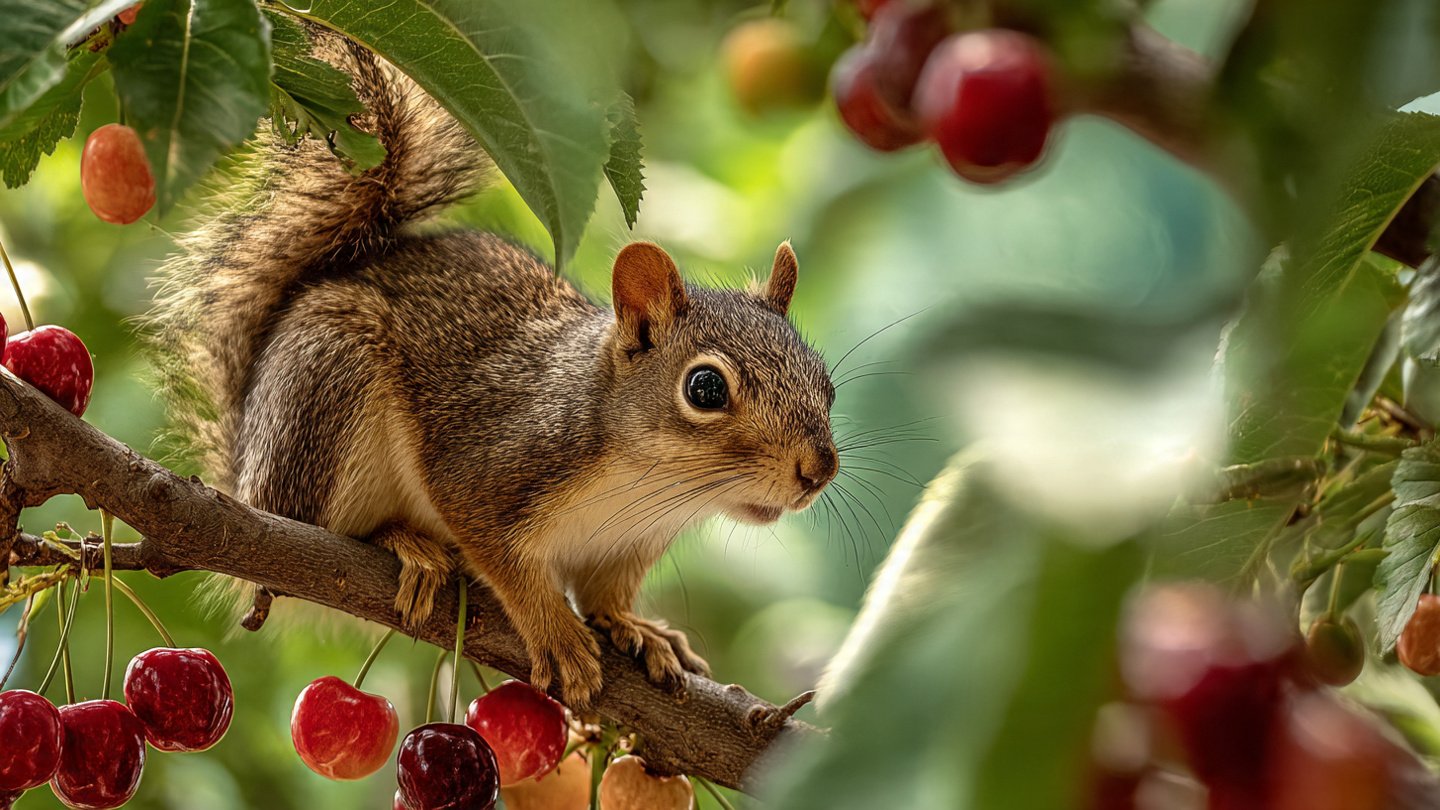

Imagine planting a garden filled with juicy apples, sweet cherries, and ripe peaches, only to find that the local squirrel population has treated your hard work as a buffet. Squirrels can be mischievous, and if you’re a gardener, their incessant nibbling can be a source of frustration. But what if there was an ultimate trick to keep them away? In this article, we will explore effective methods to safeguard your fruit trees, allowing you to enjoy the fruits of your labor—literally!
Understanding Squirrel Behavior
Before delving into solutions, it’s essential to understand why squirrels are drawn to your fruit trees. Squirrels are naturally curious and opportunistic foragers. They are particularly attracted to fruit trees for several reasons:
- Food Source: Squirrels are omnivores and are drawn to the sweet, nutrient-rich fruits.
- Nesting Material: They may be interested in the leaves and twigs of your trees for nesting.
- Habitual Behavior: If squirrels have previously raided your trees, they are likely to return.
Understanding these habits is crucial for implementing effective deterrents. Simply put, if you know what attracts them, you can find smarter ways to repel them.
Physical Barriers: The First Line of Defense
One of the simplest methods to keep squirrels at bay is to create a physical barrier around your fruit trees. Here are some effective strategies:
- Tree Guards: Enclosing the base of your trees with metal or plastic guards can deter squirrels from climbing up.
- Netting: Use bird or garden netting around your trees to physically block squirrels from accessing the fruits.
- Fencing: Installing a fence around your garden can keep squirrels (and other pests) out. Make sure the fence is at least four feet high and buried a foot underground.
Using these barriers in combination can maximize their efficacy, thus creating a robust defense system for your fruit trees.
Natural Deterrents: Harnessing Nature
Another tactic is to use natural repellents that squirrels find unpleasant. Here are some options:
- Spicy Sprays: A mixture of cayenne pepper, water, and dish soap can be sprayed on fruits and foliage. Squirrels dislike spicy flavors, so this might dissuade them.
- Citrus Peels: Place citrus peels around your trees; squirrels tend to avoid the scent of citrus.
- Garlic Spray: A homemade garlic spray can also serve as an effective deterrent due to its strong odor.
These natural deterrents not only help in keeping squirrels away but are also eco-friendly alternatives to chemical repellents.
Creating an Unfavorable Environment
Squirrels thrive in environments that provide shelter and easy access to food. By making your garden less appealing, you can discourage them:
- Remove Grains and Seeds: If you’re bird feeding, ensure that spilled seeds do not accumulate, as they attract squirrels.
- Trim Nearby Trees: Squirrels can jump from one tree to another, so keeping trees trimmed can reduce their access points.
- Use Noise Deterrents: Wind chimes or other noise-making elements can create an unsettling environment for squirrels.
By eliminating food sources and potential nesting sites, you reduce the likelihood of squirrels becoming permanent visitors in your yard.
Using Technology: Modern Solutions
In today’s tech-savvy world, technology can also come to the rescue. Here are some high-tech solutions:
- Motion-Activated Sprinklers: These devices spray water when movement is detected. They startle squirrels and other animals, prompting them to leave your garden.
- Ultrasonic Repellents: These devices emit high-frequency sounds that are irritating to rodents but inaudible to humans.
- Camera Systems: Monitoring systems can help you keep an eye on your trees. They can alert you when squirrels approach, allowing you to take action immediately.
Using technology not only aids in keeping squirrels away but allows for more efficient garden management.
Attracting Natural Predators
Another effective method is to bring in natural predators of squirrels to your garden. Consider:
- Hawks: Installing a perch for hawks can invite these birds of prey to your garden, helping control the squirrel population.
- Foxes: If your property allows, encouraging foxes as natural deterrents can create a fear factor for squirrels.
While this may not be a practical solution for everyone, attracting natural predators is an excellent method for those who live in rural areas or have larger properties.
Conclusion
Keeping squirrels away from your fruit trees may seem like a daunting task, but with a mix of physical barriers, natural deterrents, environmental adjustments, technology, and the encouragement of natural predators, you can effectively reclaim your garden. The ultimate trick lies in utilizing a multifaceted approach that combines several of these strategies. Remember, consistency is key; establishing a deterrent routine will foster long-term success in protecting your beloved fruit trees.
FAQs
1. Do squirrels damage fruit trees?
Yes, squirrels can cause significant damage to fruit trees by eating the fruits, stripping bark, and digging up roots. Their activities can lead to reduced yields and even kill the tree in severe cases.
2. Can I use commercial repellents?
Yes, commercial squirrel repellents are available, but ensure they are safe for plants and the environment. Read the labels carefully before application.
3. How do I know if squirrels are eating my fruit?
Look for gnaw marks, chewed fruit on the ground, or droppings near your trees. Squirrel activity is often identifiable by these signs.
4. Are there plants that repel squirrels?
Certain plants, like mint and rosemary, are known to deter squirrels due to their strong scents. Planting these around your garden may help keep squirrels away.
5. What time of year are squirrels most active?
Squirrels are typically most active during the spring and fall. It is essential to ramp up your deterrent efforts during these seasons to protect your fruit trees effectively.