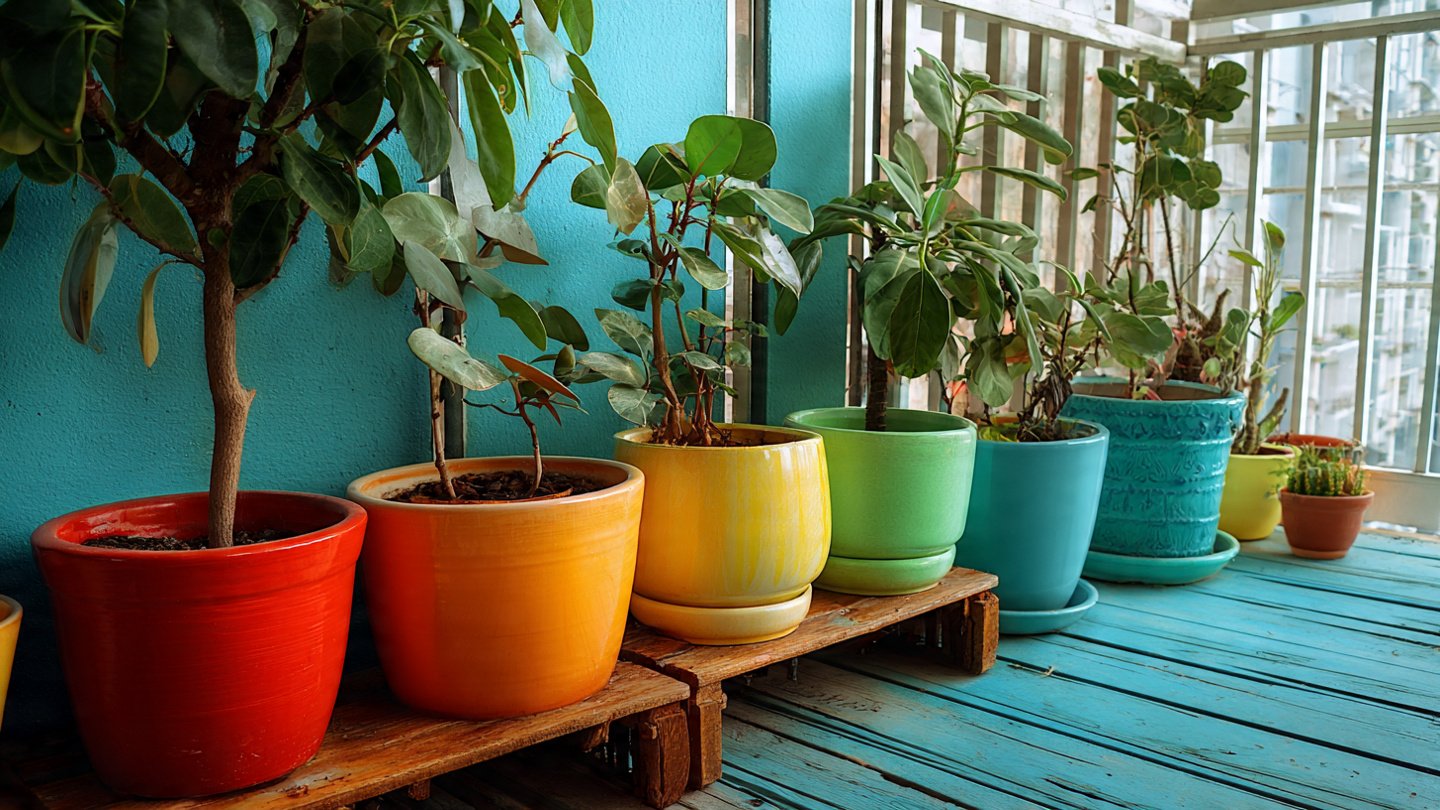

When it comes to gardening on a balcony, many different factors influence the success of your plants. Among them, the choice of pot color may seem superficial, but it plays a critical role in plant health and overall aesthetics. This article delves into the various factors that should be considered when selecting pot colors based on your balcony orientation.
Understanding Balcony Orientation
Before we explore the specifics of pot color, it’s essential to understand what is meant by “balcony orientation.” Orientation refers to the direction your balcony faces, which impacts the amount and quality of sunlight it receives throughout the day. Common orientations include:
- North-Facing Balconies: These balconies receive indirect light for most of the day.
- South-Facing Balconies: These are typically the sunniest, receiving direct sunlight for most of the day.
- East-Facing Balconies: Receive morning sunlight and enjoy cooler temperatures in the afternoon.
- West-Facing Balconies: Get hot, direct sunlight in the afternoon and evening.
The orientation of your balcony will affect not only the types of plants that thrive but also the practical implications for pot colors.
1. Impact of Color on Heat Absorption
Dark vs. Light Colors
One of the most significant factors that influences how pot color affects plant health is heat absorption. Dark-colored pots absorb more heat from the sun, raising the soil temperature within the pot. This can result in faster evaporation rates and may require more frequent watering. On the other hand, light-colored pots reflect sunlight, leading to cooler soil temperatures, which can be beneficial for moisture retention.
South-Facing Balconies: If your balcony faces south, consider using lighter-colored pots to prevent overheating. Dark pots may lead to stress for your plants, particularly those that are more heat-sensitive.
North-Facing Balconies: Since these balconies receive indirect light, darker pots are less likely to cause stress due to heat, making them a viable option. However, be mindful of the specific needs of the plants you choose.
2. Aesthetic Considerations
The visual appeal of your balcony is undoubtedly an essential factor when choosing pot colors. The color of your pots can either complement or clash with the existing décor and plant life. Here are some considerations based on color theory:
Complementary Colors: Choose pots that contrast with the colors of your plants. For example, vibrant green foliage pairs beautifully with white, blue, or terracotta pots.
Monochromatic Schemes: Sticking to a single color palette can create a sophisticated and cohesive look. Various shades of the same color can add depth.
Seasonal Aesthetics: Depending on the season, you might want to switch out pot colors to reflect the change. Pastels may work for spring, bold colors for summer, and earth tones for autumn.
3. Plant Compatibility
Different plants have unique light and temperature requirements, which you should consider in conjunction with pot colors.
Succulents: These plants require good drainage and can tolerate warmer temperatures. Dark pots may suit them just fine, as they prefer drier conditions.
Ferns and Shade Plants: These plants thrive in cooler, shadier environments and may benefit from light-colored pots that keep soil temperatures lower.
Edible Plants: If you’re growing herbs or vegetables, consider the heat tolerance of these plants. For instance, basil prefers warmer conditions, so darker pots may suit it better.
4. Local Climate
Your local climate significantly influences how pot color impacts plant health. In warmer, sunnier areas, lighter-colored pots will be more beneficial as they prevent overheating. Conversely, in cooler climates with limited sunlight, darker pots can help absorb and retain heat, promoting healthier growth.
5. Material Matters
The material of your pots can also influence the choice of color. Terra cotta pots are often chosen for their aeration and drainage properties but are typically a more muted color. Plastic pots are commonly available in myriad colors, but they may not have the same high thermal mass as heavier materials like stone or ceramic.
Durability
Some pot colors may fade over time, especially if exposed to prolonged sunlight. While vibrant colors may enhance visual appeal, ensure that you select pots that retain their aesthetics over the years.
6. Sustainability Considerations
As more individuals become eco-conscious, the sustainability of pot materials is increasingly relevant. Choose pots made from recycled materials or sustainably sourced materials. Color can play a role here, as some manufacturers employ eco-friendly dyes. Opting for pots dyed with natural pigments may align well with a sustainable gardening approach.
7. Maintenance and Care
Color selection can also influence maintenance requirements. Light-colored pots tend to show soil stains and algae growth more readily than darker pots. If you’re not insistent on frequent cleaning, darker colors may be more practical for your balcony.
8. Application of Pot Color in Design
Designing a balcony garden is often about layering textures and colors.
Creating Layers
Use Vertical Space: In smaller balconies, consider using hanging pots or vertical gardens. You can use contrasting colors in various pots to develop layers and visual intrigue.
Mixing Colors: Don’t hesitate to use a mix of pot colors and materials. This approach can create vibrant visual interest.
Group by Similar Needs: When grouping pots, consider placing those with similar watering and sunlight needs together. Grouping can also be aesthetically pleasing.
Conclusion
Choosing the right pot color for your balcony depends on various factors, including the balcony’s orientation, aesthetic considerations, plant compatibility, local climate, and sustainability. By taking into account these different dimensions, you can make an informed choice that not only enhances the beauty of your outdoor space but also supports the health and vitality of your plants.
Whether you decide on light colors for a sunny balcony or dark ones for a cooler space, the right pot color can significantly impact both the practicality and visual appeal of your balcony garden. Ultimately, the most successful balcony gardens are those tailored to the specific needs of plants and the environmental conditions they face, ensuring both beauty and functionality.