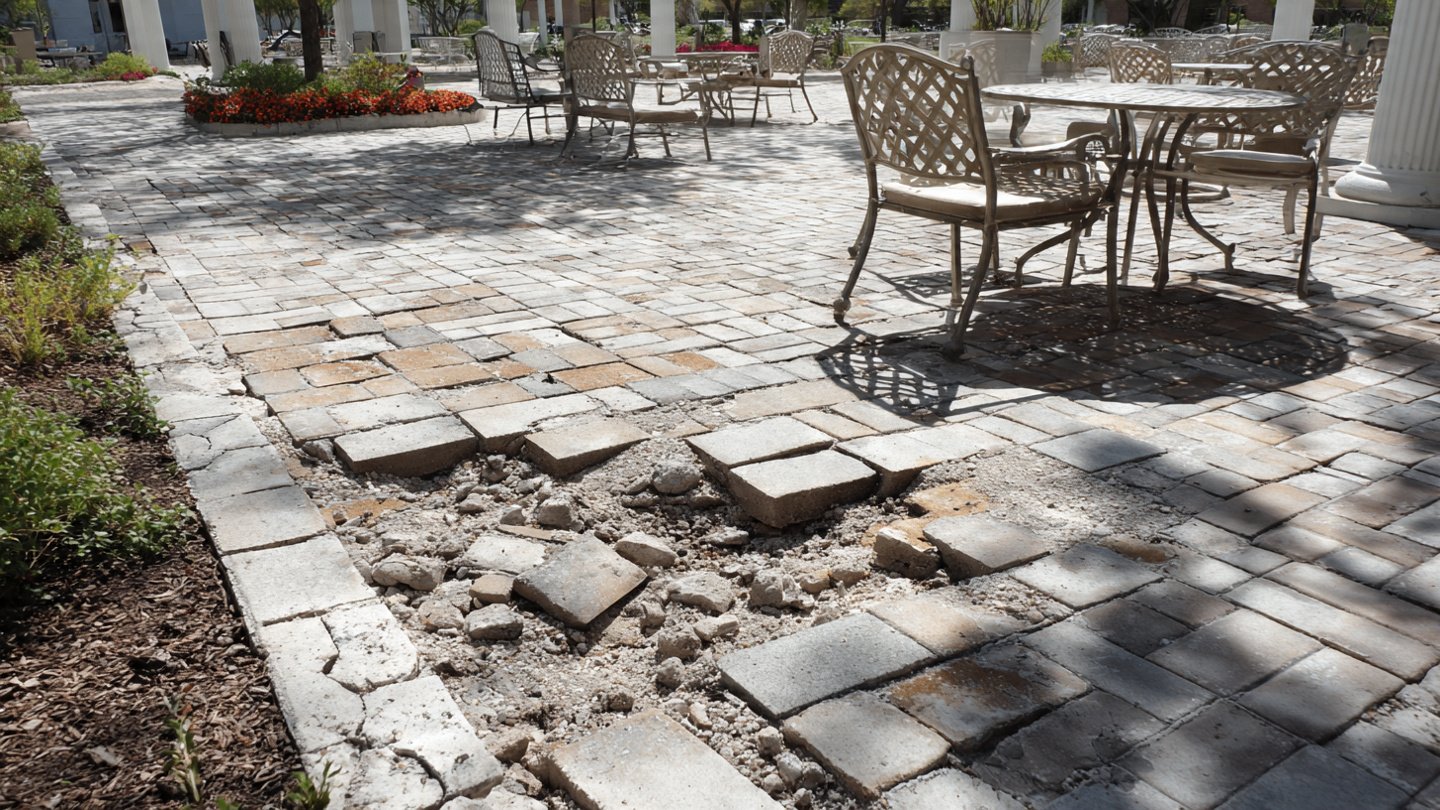

Patio pavers are a popular choice for homeowners due to their aesthetic appeal and durability. However, over time, you may notice some of your pavers beginning to sink. This can lead to an uneven surface that is not only unsightly but can also pose trip hazards. Understanding the causes of sinking pavers and the potential solutions can help you maintain your outdoor space effectively.
Common Causes of Sinking Patio Pavers
Sinking patio pavers can occur due to a variety of reasons. Here are some of the most common:
1. Soil Settlement
Over time, the soil beneath your patio can shrink or compress. This natural settlement can lead to pavers sinking unevenly. Movements in the soil often occur due to moisture changes, shifts, or the type of soil present.
2. Poor Installation
If your pavers were not installed correctly, they may begin to sink sooner rather than later. A proper installation involves the right base material and adequate compaction. If these steps are skipped or done improperly, it can lead to problems down the line.
3. Water Erosion
Excessive water flow around or beneath your patio can erode the base material, causing pavers to sink. This is especially common in areas with heavy rainfall or poor drainage.
4. Tree Roots
Tree roots can grow underneath or around your patio pavers, pushing them out of place or causing the soil to shift. Over time, larger roots can cause significant damage to your patio.
5. Freeze-Thaw Cycles
In colder climates, frost can cause the ground to expand and contract as it freezes and thaws. This can lead to shifts in the soil, resulting in sunken pavers.
How to Fix Sinking Patio Pavers
If you’ve noticed that your patio pavers are sinking, there are various methods to address the issue. Here are some steps you can take:
1. Identify the Problem Area
Before undertaking any repairs, inspect your patio to determine the specific areas where pavers are sinking. Look for signs of erosion, cracks, or uneven surfaces.
2. Clean the Area
For a successful repair, clean the affected areas by removing debris, dirt, and weeds. This ensures that your repair materials properly adhere to the surface.
3. Remove the Sinking Pavers
Carefully lift the sinking pavers using a pry bar or flat shovel. Make sure to remove them without causing damage. This will provide access to the base material beneath.
4. Inspect and Re-Level the Base
After removing the pavers, inspect the base material. If it has eroded, you will need to replenish it with more gravel or sand. Use a level to ensure the base is even and properly compacted.
5. Address Soil and Drainage Issues
Evaluate the surrounding soil and drainage situation. If water pooling is a problem, consider incorporating drainage solutions like trenches or French drains to direct water away from the patio.
6. Reinstall the Pavers
Once you have addressed the underlying issues, you can reinstall the pavers. Make sure to align them correctly and use polymeric sand in the joints to help stabilize them and prevent weed growth.
7. Regular Maintenance
To prevent future sinking, regular maintenance is essential. Ensure proper drainage, check for root growth, and periodically inspect the condition of your pavers.
Preventing Future Sinking Issues
Preventing sinking in patio pavers involves proactive measures. Here are a few tips for ensuring your patio remains in good condition:
- Proper Installation: Always hire professionals for installation to ensure the right materials and techniques are used.
- Regular Inspections: Frequently check for any signs of sinking or shifting to catch problems early.
- Maintain Drainage: Ensure water flows away from your patio and that your landscaping directs rainwater appropriately.
- Control Tree Roots: Monitor trees and shrubs nearby and trim roots that may grow towards your patio.
Conclusion
Sinking patio pavers can be a frustrating issue, but understanding the causes and knowing how to fix them can save you time and headaches. By recognizing the common culprits and implementing preventive measures, you can maintain a beautiful and safe outdoor space. Regular inspections and proactive maintenance will be your best allies in preserving your patio.
FAQs
1. How often should I check my patio for sinking pavers?
It’s advisable to check your patio at least once a year, especially after heavy rains or freeze-thaw cycles, to catch and address any issues early.
2. Can I fix sinking pavers myself?
Yes, if you have the right tools and are comfortable with DIY projects, you can fix sinking pavers. Follow the steps outlined above for the best results.
3. What materials do I need for repairs?
Typically, you will need sand, gravel, a leveling tool, and possibly polymeric sand for reinstallation of the pavers.
4. Is it necessary to hire a professional for this job?
If the sinking is extensive or you are unsure about the process, hiring a landscape professional is recommended to ensure proper assessment and repair.
5. How long can I expect the repairs to last?
With proper maintenance, repaired areas can last many years. Regular upkeep is essential to prolong their lifespan.