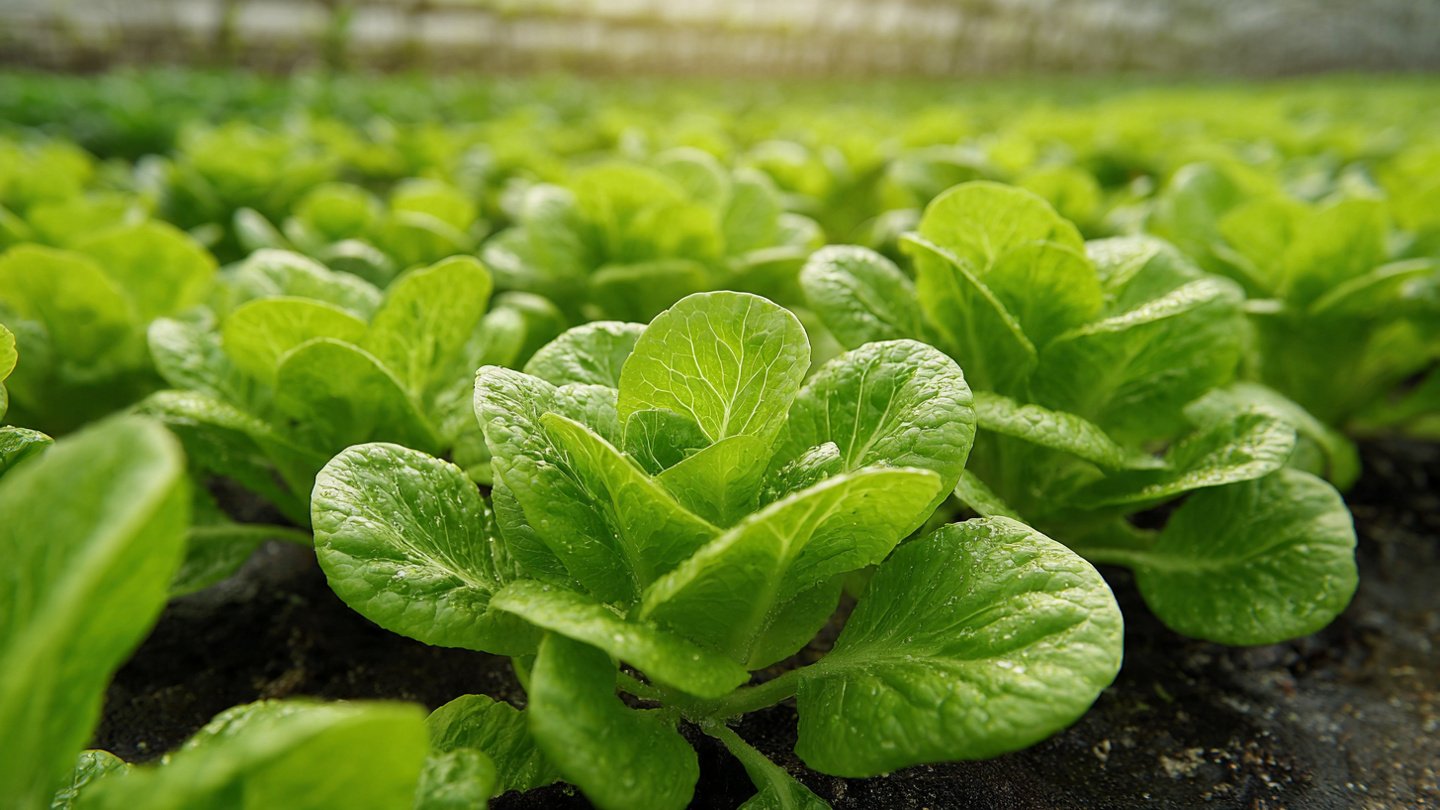

Summer is often welcomed with fresh produce, and among the favorite leafy greens is lettuce. However, one issue that many gardeners encounter during the warm months is bolting. This phenomenon occurs when lettuce shifts from its vegetative stage to flowering and seed production, which drastically changes its flavor and texture. The good news is that you can enjoy endless summer lettuce with careful planning and management. Let’s delve into the factors that contribute to bolting and explore strategies to prevent it, ensuring a continuous harvest of fresh, crisp lettuce throughout the summer.
Understanding Bolting
Bolting is a natural process triggered by environmental factors. The stem of the lettuce plant elongates, leading to flowering and seed production. This transformative phase is often a response to:
- Temperature: High temperatures (usually above 75°F or 24°C) can signal the plant to bolt. Lettuce is a cool-weather crop and will respond to increased heat by prioritizing reproduction over producing leaves.
- Day Length: Longer daylight hours can also lead to bolting. Lettuce is sensitive to photoperiod, and as days lengthen, the plant may interpret it as a sign to flower.
- Plant Stress: Stress factors such as inconsistent watering, nutrient deficiencies, and pest infestations can trigger bolting. A stressed plant may bolt prematurely in an attempt to reproduce.
Choosing the Right Varieties
One of the best ways to combat bolting is to choose varieties that are less prone to it. Various types of lettuce have different tolerances to heat and day lengths. Here are a few varieties to consider:
- Butterhead Lettuce: Often considered one of the best varieties for summer growing due to its ability to tolerate heat.
- Romaine Lettuce: This variety has a longer maturity time but can withstand warmer temperatures better than other types.
- Looseleaf Lettuce: It generally bolting less quickly and can be harvested multiple times during the summer season.
- Heat-Resistant Varieties: Look for specific hybrid varieties marketed as heat-tolerant, which have been bred to resist bolting.
Optimal Planting Techniques
Timing and technique significantly influence the likelihood of bolting. Here are some essential practices to follow when planting lettuce:
1. Early Spring or Late Summer Planting
Plant lettuce in early spring or late summer when temperatures are cooler. If you plant in late summer, you can take advantage of the warm soil conditions while still avoiding the heat of late summer.
2. Succession Planting
To have a continual harvest without bolting, practice succession planting. This involves sowing small batches of lettuce every couple of weeks rather than all at once. By doing so, you can stagger your harvest and reduce the risk of having all your plants bolt simultaneously.
3. Soil Preparation
Ensuring your soil is fertile and well-draining can help minimize stress on your plants. Incorporate organic matter, such as compost, to improve soil structure and nutrient availability. The ideal soil pH for lettuce is between 6.0 and 7.0.
Watering Practices
Consistent watering is crucial in preventing stress and thereby reducing the chance of bolting. Here’s how to maintain optimal moisture levels:
1. Regular Watering Schedule
Water your lettuce plants consistently, ensuring they receive about 1 to 2 inches of water per week. Early morning is the best time to water, reducing evaporation and allowing plants to absorb moisture before the heat of the day.
2. Mulching
Applying a layer of organic mulch around your lettuce can help retain soil moisture, suppress weeds, and maintain cooler soil temperatures. Straw, wood chips, or shredded leaves work well as mulch materials.
Providing Shade
When temperatures soar, providing shade for your lettuce can significantly extend its growing season and minimize bolting. Consider the following methods:
1. Shade Cloth
Using shade cloth can help diffuse harsh sunlight, lowering temperatures around your lettuce plants. Aim for 30-50% shade coverage during peak sunlight hours to help maintain cooler conditions.
2. Companion Planting
Planting taller crops, such as tomatoes or sunflowers, nearby can provide natural shade. This not only helps regulate the temperature but can also create a microclimate conducive to lettuce growth.
Monitoring for Pests and Diseases
Maintaining healthy plants is crucial in preventing bolting. Regularly check for pests and diseases that can stress your lettuce:
- Aphids: These can weaken your plants and make them more susceptible to bolting.
- Slugs and Snails: They can damage young plants, causing stress that may result in bolting.
- Powdery Mildew: Keeping airflow around your plants can help prevent this fungal disease.
Conclusion
Successfully growing summer lettuce without bolting requires an understanding of the environmental factors involved and adopting proactive gardening strategies. From selecting the right varieties to implementing optimal planting and watering techniques, you can create conditions that allow your lettuce to flourish all summer long.
Remember, patience and vigilance are key. By closely monitoring your plants and adapting to changing conditions, you can enjoy fresh, crisp lettuce well into the hot months. With these strategies, you’ll not only cultivate healthier plants but also savor the delightful flavors of summer harvests without the bitter taste of bolting.
FAQs
1. How can I tell if my lettuce is about to bolt?
Look for signs such as rapid stem elongation, changes in leaf texture, and a shift in the plant’s growth focus from leaves to flower development.
2. Can I still eat lettuce that has bolted?
Yes, while bolted lettuce can be bitter and tough, it is still edible. You may want to trim the flowering parts and use the leaves in mixed salads or smoothies.
3. What is the ideal temperature for growing lettuce?
Lettuce thrives best in temperatures between 60°F to 70°F (15°C to 21°C). Keeping it within this range helps prevent bolting.
4. How often should I water my lettuce plants?
Water your lettuce consistently, aiming for about 1 to 2 inches per week. Be sure to check the soil moisture regularly to avoid under or overwatering.
5. Are there any natural ways to prevent bolting?
Yes, practicing companion planting, using mulch, and providing shade during peak heat hours can help mitigate the risk of bolting naturally.