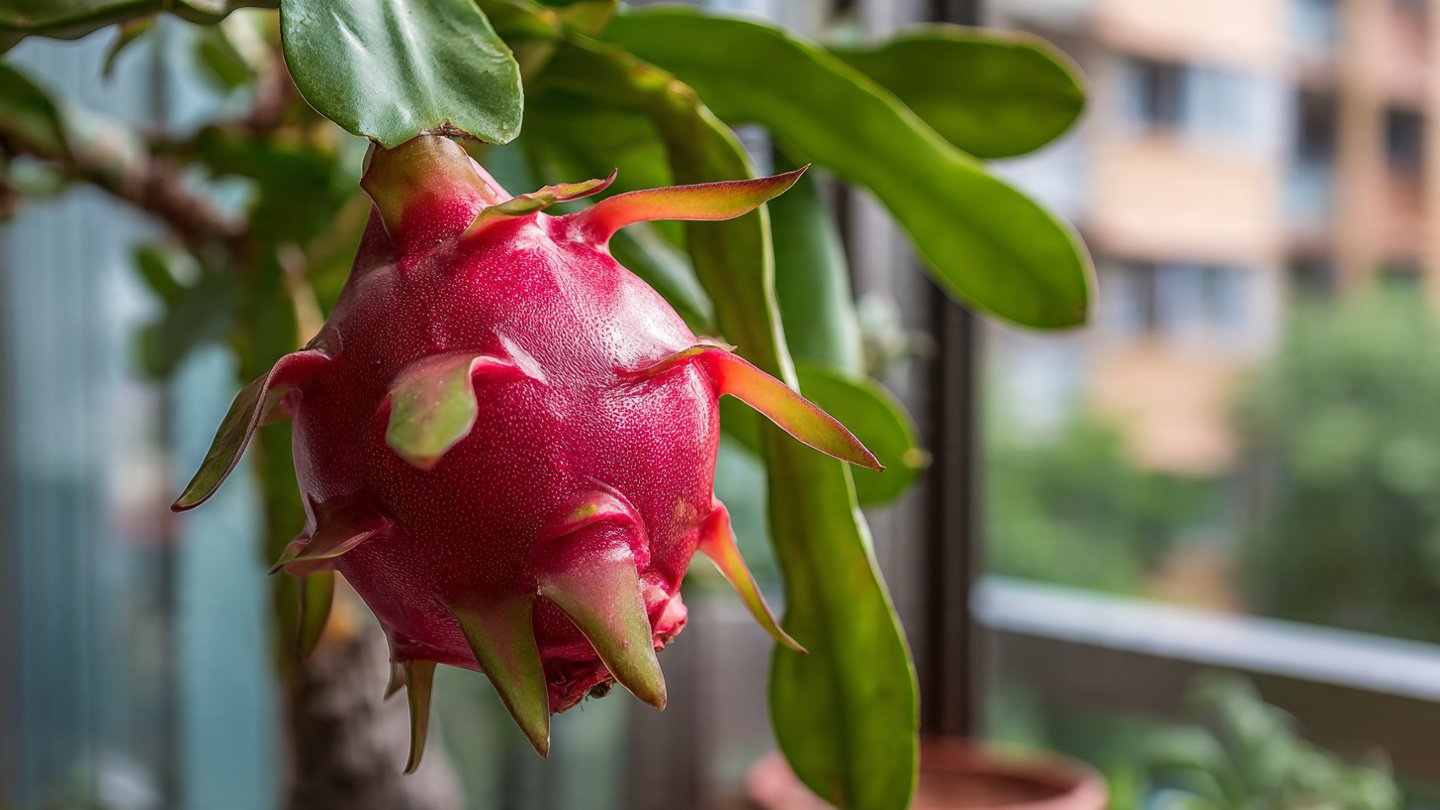

Introduction to Dragon Fruit
Dragon fruit, also known as pitaya, is a tropical fruit that belongs to the cactus family. Its unique appearance—vibrant pink skin and creamy white or red flesh dotted with tiny black seeds—makes it not only a culinary delight but also an attractive plant for home gardening. In this article, we’ll guide you through the secrets to successfully growing dragon fruit right on your apartment balcony, ensuring you can enjoy its exotic taste without the need for a sprawling garden.
Understanding Dragon Fruit Varieties
Before you start planting, it’s essential to familiarize yourself with the different varieties of dragon fruit. The three primary types are:
- Hylocereus undatus: White-fleshed variety with pink skin, the most common type.
- Hylocereus costaricensis: Red-fleshed variant with a more robust flavor.
- Hylocereus megalanthus: Yellow-skinned with white flesh, known for its sweetness.
Each variety has its unique taste and aesthetic appeal, making it fun to grow several types on your balcony.
Choosing the Right Containers
Dragon fruit plants thrive in well-draining soil and need space for their roots to spread. When selecting containers:
- Opt for pots that are at least 12-18 inches deep with drainage holes.
- Use a mixture of potting soil and cactus mix to ensure good drainage.
- A trellis or support structure is ideal since dragon fruit is a climbing cactus that requires vertical space to grow.
Essential Growing Conditions
Creating the perfect environment is crucial for your dragon fruit plants:
Light
Dragon fruit plants require plenty of sunlight to thrive. Aim for at least 6 to 8 hours of direct sunlight daily. If your balcony gets less sunlight, you might consider supplementing with grow lights.
Temperature
The best temperature range for dragon fruit growth is between 65°F and 85°F (18°C and 29°C). Excessive cold or frost can damage the plant, so be prepared to bring it indoors during colder months.
Watering
Water your dragon fruit only when the top inch of soil is dry. Overwatering can lead to root rot, a common issue with cacti. During the growing season (spring and summer), water every 1-2 weeks, and reduce frequency in winter.
Planting Your Dragon Fruit
To plant your dragon fruit:
- Fill your container with the prepared soil mix.
- Plant the dragon fruit cutting or seed at least 2-3 inches deep.
- Water lightly and place the pot in a sunny location.
- If using a cutting, make sure it’s well-established before providing support.
Fertilizing for Optimal Growth
Fertilizing helps promote healthy growth and fruit production. Use a balanced fertilizer, diluted to half strength, every month during the growing season. A cactus-specific fertilizer high in phosphorus can encourage flowering.
In the off-season, limit fertilization to once every 2-3 months to avoid over-fertilizing.
Encouraging Flowering and Fruiting
Pollination
Dragon fruit flowers bloom overnight and only last for a single night. If you want to ensure fruit set, pollination is crucial. You can hand-pollinate the flowers using a small paintbrush or cotton swab to transfer pollen from the male flower anthers to the female flower stigma.
Time to Harvest
Once your dragon fruit starts blooming, you’ll have to wait approximately 30-50 days for the fruit to mature, depending on the variety. Look for a bright color change in the skin and slightly soft texture to indicate ripeness. Harvest the fruit by cutting it off the plant with sharp shears.
Common Pests and Diseases
While dragon fruit is relatively pest-resistant, it’s essential to keep an eye out for common issues:
- Mealybugs: Small white pests that can infest the plant. Use insecticidal soap or neem oil to treat.
- Root rot: Caused by overwatering. Ensure containers have drainage holes and avoid letting the plant sit in water.
- Fungal diseases: Can arise from humid conditions. Ensure good airflow around the plant and avoid overhead watering.
Conclusion
Growing dragon fruit on your apartment balcony can be a rewarding endeavor, combining the beauty of the plant with the excitement of harvesting your own exotic fruit. By paying attention to its growing conditions, proper care, and maintenance, you can enjoy a flourishing dragon fruit garden in limited space. Whether you opt for one variety or several, this delicious fruit is sure to bring a splash of color and flavor to your home.
Frequently Asked Questions (FAQs)
1. Can I grow dragon fruit indoors?
Yes, dragon fruit can be grown indoors if you provide it with enough sunlight (at least 6-8 hours) and proper care. Consider placing it near a south-facing window or using grow lights.
2. How often should I water my dragon fruit plant?
Water your dragon fruit plant when the top inch of soil is dry. This is typically once every 1-2 weeks during the growing season and less frequently in winter.
3. What kind of soil is best for dragon fruit?
A well-draining soil mix is ideal. A combination of potting soil and cactus mix works well to prevent root rot.
4. How long does it take for dragon fruit to bear fruit?
After planting, dragon fruit plants generally take about 1-2 years to start producing fruit, depending on growth conditions.
5. Are there any special care instructions in winter?
In winter, keep the plant in a warmer location, reduce watering, and avoid fertilizing. If temperatures drop below 50°F (10°C), consider bringing the plant indoors.