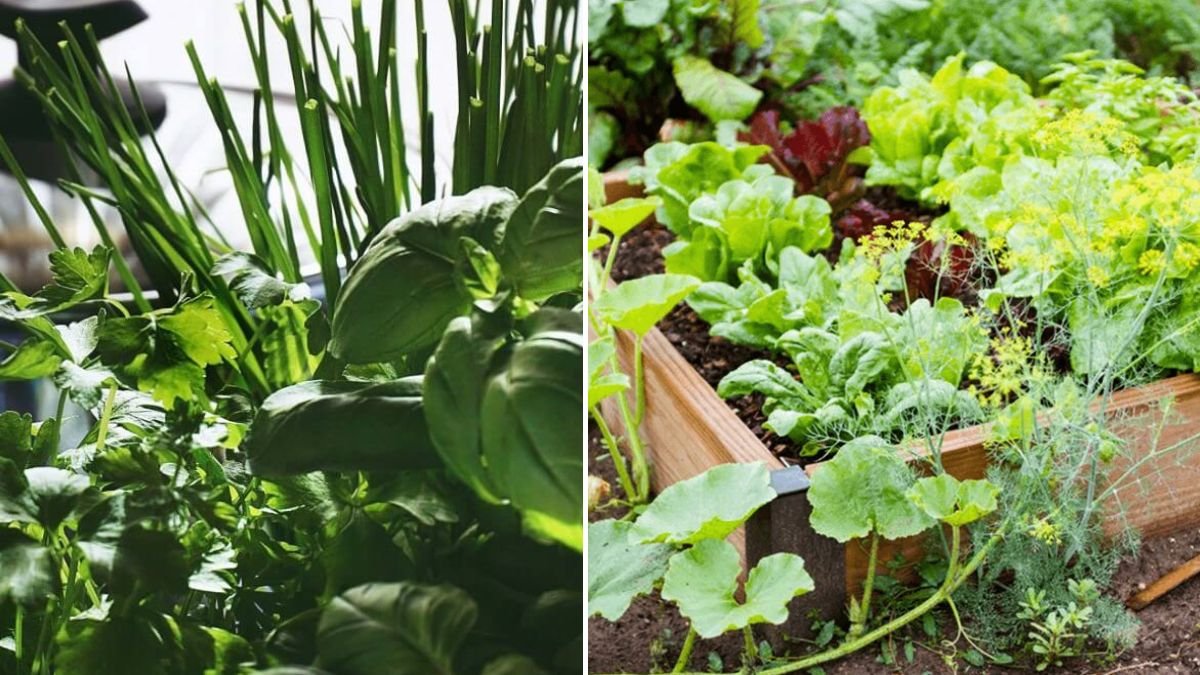

Why Growing Herbs at Home Is a Smart Idea
Herbs are easy to grow, highly productive, and often one of the most cost-effective crops for home gardeners. Store-bought herbs are usually sold in small bunches or plastic containers, and much of the time, they spoil before you can use them all. By contrast, homegrown herbs provide continuous harvests, are fresher, more flavorful, and completely under your control — no pesticides or preservatives needed.
According to gardening experts, herbs like basil, parsley, mint, oregano, rosemary, and thyme are among the top plants that deliver high returns for minimal effort. Once established, they require little maintenance and produce leaves consistently, reducing the need for frequent trips to the grocery store. (Better Homes & Gardens)
Start with Easy, Fast-Growing Herbs
To maximize daily access and savings, start with herbs that are easy to grow and harvest frequently. Some of the best options include:
- Basil: Fast-growing and prolific, perfect for Italian dishes, salads, and pestos.
- Parsley & Cilantro: Ideal for everyday cooking and garnishing.
- Mint & Oregano: Hardy plants that spread quickly and require minimal maintenance.
- Rosemary & Thyme: Perennial herbs that keep producing leaves year after year.
Starting with these herbs ensures you have a steady supply of fresh leaves for weeks or even months, drastically reducing your grocery bills. (Almanac.com)
Propagate Herbs to Save Money
One of the most effective ways to expand your herb collection without spending money is through propagation. You don’t always need to buy new plants — cuttings from healthy herbs can root in water and then be transferred to soil. This technique works well for basil, mint, oregano, and rosemary.
Steps for propagating herbs:
- Cut a healthy 3–4 inch stem from an established plant.
- Place the cutting in a jar of water, ensuring the leaves don’t touch the water.
- Wait 1–2 weeks for roots to form.
- Transfer to a pot with soil and watch it grow into a full plant.
Propagation allows you to multiply your herbs indefinitely, turning small plants into a productive home garden without spending a penny. (Urban Gardeners)
Grow Herbs in Containers — No Yard Required
Even if you live in an apartment or have limited outdoor space, you can still enjoy daily fresh herbs. Herbs thrive in containers, hanging baskets, or vertical planters. Some practical tips for container herb gardening:
- Use pots with good drainage to prevent root rot.
- Place herbs in sunny locations like windowsills or balconies.
- Consider vertical gardens to maximize space.
With container gardening, your herbs are always within reach, making it easy to pick leaves daily for cooking. (The Spruce)
Harvest Regularly to Boost Growth
Frequent harvesting is not harmful — in fact, it encourages herbs to grow bushier and more productive. Trim leaves regularly instead of waiting for the plant to grow large. For example:
- Pinch basil leaves before flowers appear to stimulate new growth.
- Snip mint leaves frequently to prevent the plant from becoming leggy.
- Remove outer leaves of parsley and cilantro while leaving the inner leaves intact.
By harvesting daily or every few days, you maintain a constant supply of fresh herbs and ensure that the plants remain healthy and vigorous. (Urban Gardeners)
Combine Fast & Slow-Growing Herbs
For a continuous supply, mix fast-growing herbs like basil and cilantro with slower, perennial herbs like rosemary and thyme. This combination gives you immediate harvests while also providing long-term, ongoing production. A mixed herb garden balances productivity and stability, ensuring you never run out of fresh ingredients.
Extend Herb Life with Smart Storage
Growing herbs is just the first step — proper storage is key to maximizing freshness and savings. Here are the most effective methods:
1. Jar Method (Water Storage)
Soft herbs like parsley, dill, and cilantro last longer when stems are placed in a jar with water. Cover loosely with a plastic bag and refrigerate. This can keep herbs fresh for up to two weeks.
2. Damp Paper Towel
Wrap sturdier herbs like rosemary, thyme, and oregano in a damp paper towel, then place them in a sealed container in the fridge. This extends freshness and preserves flavor.
3. Freezing
Chop herbs and freeze them in ice cube trays with a little water or oil. Frozen herbs last for months and can be added directly to cooking.
Proper storage reduces waste and ensures you can enjoy homegrown herbs daily, even in the winter. (Garden Gate Magazine)
Compare Homegrown vs Store-Bought
Studies and expert analyses consistently show that growing your own herbs is cheaper than buying them. Store-bought herbs are often packaged in small quantities and spoil quickly. Homegrown herbs, on the other hand:
- Provide continuous harvests from a single plant.
- Reduce trips to the grocery store.
- Offer better flavor and quality.
This is especially true for frequently used herbs, making home gardening a simple way to cut household expenses. (Better Homes & Gardens)
Additional Tips to Maximize Savings
- Rotate herbs seasonally: Plant new varieties to ensure year-round supply.
- Keep some herbs indoors in winter: Use grow lights or sunny windows for small indoor gardens.
- Use herbs creatively: Dry or infuse them in oils for long-term use.
- Combine with vegetables: Some herbs grow well alongside vegetables, making the most of your space.
These strategies enhance both productivity and cost-effectiveness, ensuring you get the most value from your herb garden.
Expert Resources for Further Guidance
- Better Homes & Gardens – Analysis on cost savings of growing vs buying herbs (link)
- Urban Gardeners – Budget-friendly herb gardening tips (link)
- Almanac.com – Top money-saving crops including herbs (link)
- The Spruce – Indoor gardening and grow light recommendations (link)
- Garden Gate Magazine – Easy ways to preserve herbs (link)
Conclusion: Fresh Herbs & Savings Made Easy
Growing your own herbs is more than a hobby — it’s a practical way to enhance your meals, save money, and enjoy fresh, flavorful ingredients every day. By starting with fast-growing herbs, propagating plants, using containers, harvesting regularly, and storing herbs smartly, you can create a garden that feeds you daily.
Even small spaces or apartments can support thriving herb gardens, proving that you don’t need a backyard to enjoy homegrown herbs. With minimal investment and consistent care, you’ll have a continuous supply of fresh herbs while dramatically reducing your grocery bills.