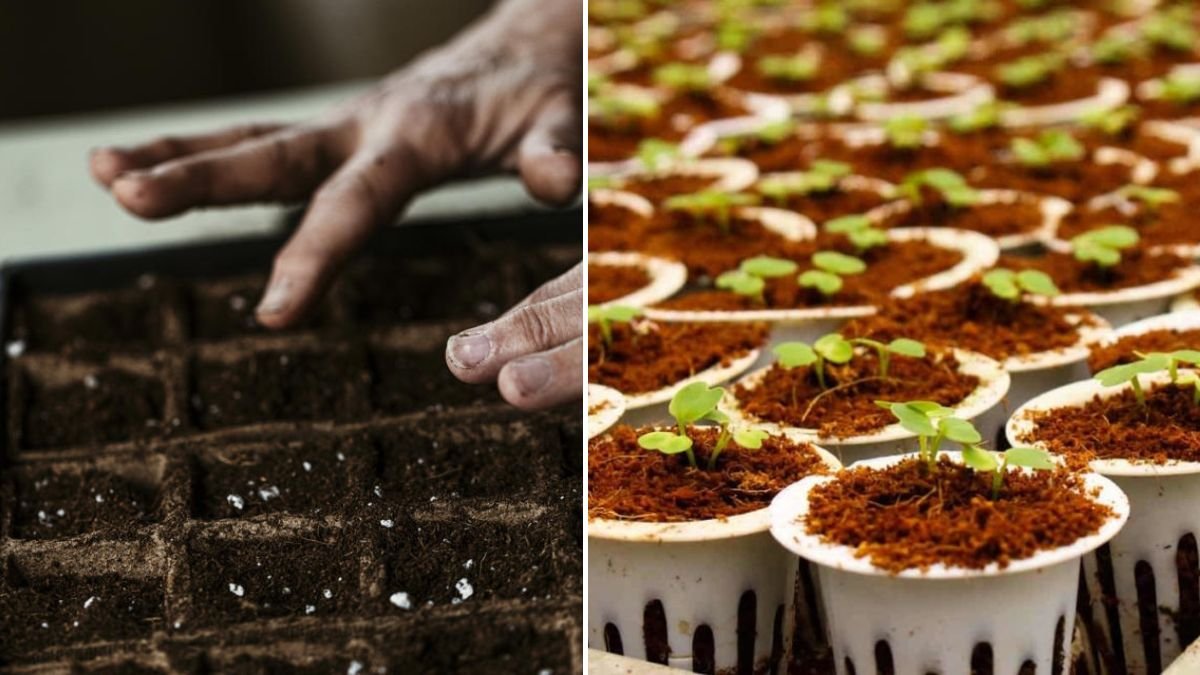

Starting seeds is one of the most rewarding aspects of gardening, but it can also be one of the most frustrating if things go wrong. One of the key factors that affects germination rates is how you cover your seeds. Covering seeds may seem simple—just sprinkle soil on top, right? In reality, it requires understanding each seed’s needs for light, moisture, and air. The wrong covering technique can lead to poor germination, weak seedlings, or even complete crop failure.
In this guide, we’ll break down everything you need to know about covering seeds for germination, from the best materials and techniques to common mistakes that gardeners make. By following these tips, you can maximize your germination success and grow healthier seedlings.
Why Proper Seed Covering Matters
Seed germination is a critical phase in a plant’s life cycle. During this stage, seeds absorb water, swell, and activate their growth processes. If they are left too dry, buried too deeply, or exposed to unsuitable light conditions, germination may fail entirely.
Proper seed covering ensures:
- Consistent moisture so seeds can absorb water and swell.
- Protection from environmental stress like wind, drying, or pests.
- An appropriate microclimate with stable temperature and humidity.
- The right exposure to light or darkness depending on the seed type.
Many new gardeners fail at this stage simply because they treat all seeds the same. Understanding the specific needs of each seed type can make a dramatic difference in germination rates and overall seedling health.
Understanding Seed Light Requirements
Not all seeds should be covered with soil. The first step in deciding how to cover a seed is understanding whether it needs light or darkness to germinate.
Seeds That Require Darkness
Some seeds germinate best when buried beneath a layer of soil or medium. These seeds are usually larger and include many common vegetables and annual flowers. The general rule is to bury seeds at a depth two to three times their diameter. This protects them from drying out while still allowing them to sprout successfully. Examples include beans, peas, and marigolds.
Seeds That Require Light
Tiny seeds, on the other hand, often require exposure to light to trigger germination. Covering these seeds with too much soil can prevent them from sprouting altogether. Lettuce, basil, petunias, and scabious are common light-dependent seeds. For these, you can press them gently onto the surface of the soil or cover them with only a thin layer of fine vermiculite or seed-starting mix, ensuring that light reaches them.
Choosing the Right Covering Material
The medium you use to cover seeds is just as important as the depth. Here are some recommended materials:
- Seed-starting mix: A fine, light, and well-draining medium that holds moisture without compacting.
- Vermiculite: Ideal for very small seeds, it retains moisture and allows airflow.
- Fine grit or sand: Works for seeds that need a loose, airy covering.
Avoid heavy garden soil, which can compact and restrict air flow, making it difficult for seedlings to emerge. Using the correct covering material ensures seeds can access both moisture and oxygen—critical elements for healthy germination.
Moisture and Humidity Management
Moisture is crucial for seed germination. The soil or medium covering the seeds should remain consistently damp but not waterlogged. Too little water will prevent seeds from activating, while too much can cause them to rot.
One effective technique is to use a humidity dome or clear plastic cover over the seed tray. This traps moisture, creating a mini-greenhouse effect that keeps the medium from drying out. Once the seedlings emerge, remove the cover to allow proper air circulation and prevent fungal diseases like damping-off.
A spray bottle can be used to gently mist the medium instead of using a heavy watering can, which may displace seeds or create uneven moisture.
Temperature Considerations
Temperature plays a key role in seed germination. Most seeds germinate best in soil that is between 65°F and 75°F (18–24°C). For warm-season crops like tomatoes and peppers, slightly higher soil temperatures may be needed for optimal results.
If your indoor environment fluctuates or is cooler than recommended, consider using bottom heat mats under seed trays. This provides gentle, consistent warmth to encourage uniform germination and reduce the time it takes for seeds to sprout.
Common Mistakes That Affect Germination Rates
Even experienced gardeners make mistakes when it comes to covering seeds. Here are the most frequent errors and how to avoid them:
1. Covering Light-Dependent Seeds Too Deeply
This is one of the most common mistakes. Tiny seeds that require light will fail to germinate if buried too deeply. Always read the seed packet and adjust the covering depth accordingly.
2. Leaving Humidity Covers On Too Long
While a humidity dome helps maintain moisture, leaving it on after seedlings emerge can cause mold and fungal issues. Remove covers promptly when seedlings begin to show above the medium.
3. Using Heavy or Compacted Soil
Dense soil restricts air flow and makes it difficult for roots and shoots to emerge. Always use light, sterile, seed-starting mixes for best results.
4. Ignoring Seed-Specific Instructions
Each seed has unique requirements. The best gardeners follow packet instructions carefully, adjusting depth, covering type, and moisture levels based on the seed’s needs.
Step-By-Step Guide to Covering Seeds Properly
Follow these steps for the highest chance of germination success:
- Prepare the medium: Fill seed trays with fine, moist seed-starting mix.
- Sow seeds: Place seeds at the correct depth or on the surface for light-dependent seeds.
- Cover seeds: Use a thin layer of seed-starting mix, vermiculite, or fine grit depending on the seed type.
- Water gently: Use a mist spray or bottom-watering method to moisten the medium.
- Apply a cover: Place a clear humidity dome or plastic wrap to retain moisture.
- Monitor daily: Check moisture levels and seed development.
- Remove the cover once seedlings emerge: Allow airflow and prevent fungal growth.
Following this sequence helps create a stable environment that supports germination and minimizes common errors.
Expert Tips for Seed Success
- Label your trays: Keep track of what you planted where.
- Keep temperatures consistent: Avoid moving trays between hot and cold spots.
- Use sterile materials: Reduces the risk of disease.
- Avoid overwatering: Excess water is more harmful than slightly dry conditions.
- Be patient: Some seeds take longer to germinate than others; don’t remove them prematurely.
Suggested Authoritative Sources
To strengthen your guidance and credibility, consider referencing the following:
- Home & Gardens – How to Cover Seeds for Germination: Practical advice on covering techniques and light requirements. Link
- GrowVeg – Seed Starting Masterclass: Detailed guide on moisture, covering, and seedling care. Link
- Live to Plant – Step-By-Step Germination Guide: Covers best practices for seed covering and monitoring. Link
Final Thoughts
Mastering the art of covering seeds for germination is one of the most impactful skills any gardener can learn. The right technique ensures consistent moisture, proper light exposure, and a favorable microclimate—factors that directly affect germination rates.
By understanding [FOCUS KEYWORD], using appropriate materials, and avoiding common mistakes, gardeners can significantly improve seedling health and success. Whether you’re growing vegetables, herbs, or flowers, applying these tips will help your seeds sprout strong and grow into healthy plants that thrive in any garden.
Covering seeds correctly may seem like a small step, but it’s one of the most important foundations of successful gardening. With attention to detail, patience, and knowledge, you can maximize germination rates and enjoy vibrant, flourishing seedlings every season.