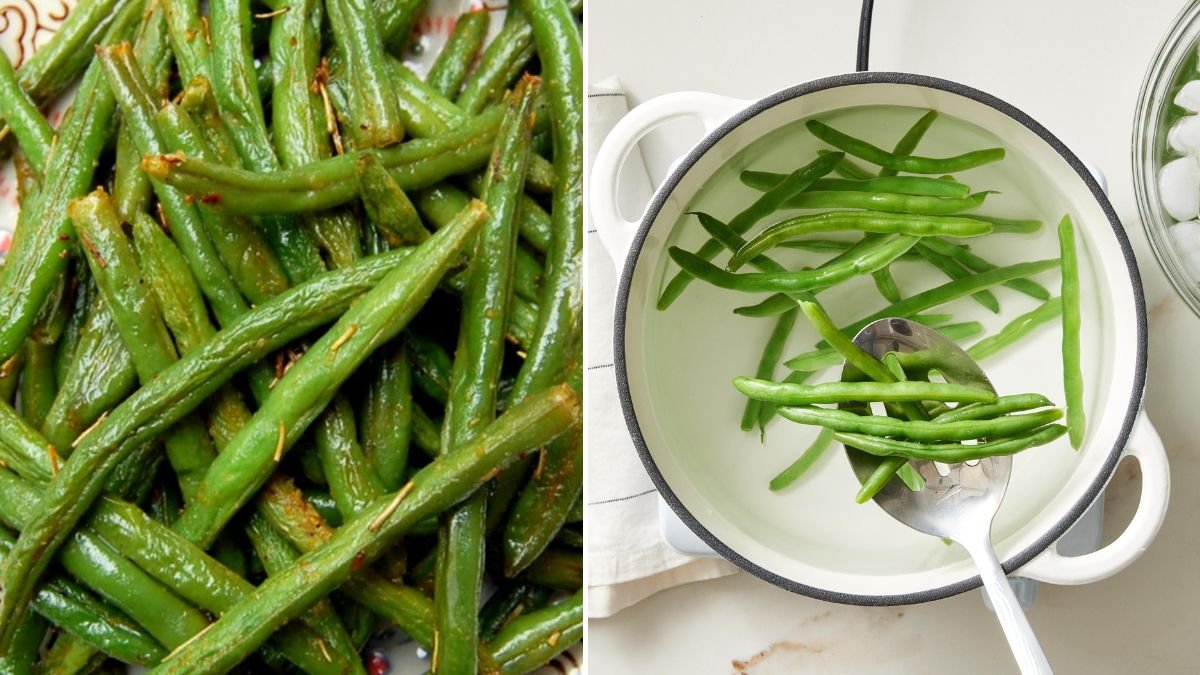

Why Green Beans Deserve Extra Attention
At first glance, green beans seem easy to cook. Boil them, sauté them, or roast them — simple, right? Unfortunately, their simplicity is deceptive. Green beans are sensitive to heat, moisture, and seasoning timing, which means small errors can drastically affect taste, texture, and appearance.
Professional chefs approach green beans with precision. The goal is crisp-tender texture, vibrant color, and balanced flavor. Achieving that requires understanding both science and technique. Let’s explore the most common mistakes and how to correct them.
Mistake #1: Overcooking
The number one mistake chefs notice is overcooking. Overcooked green beans are limp, mushy, and often lose their bright green color. This can happen with boiling, steaming, or roasting if you don’t monitor cooking time closely.
Why it happens: Green beans continue cooking after being removed from heat due to residual heat, which can turn crisp-tender beans into soft, unappetizing pieces within minutes.
Chef-approved fix:
- Boil beans for 5–8 minutes depending on thickness.
- Use the bend-and-snap test: beans should bend slightly but snap cleanly.
- For roasting, cook at 400°F (200°C) for 15–20 minutes, tossing halfway through.
The key is to test a bean before removing it from heat and err on the side of slightly undercooked — finishing touches and residual heat will complete the cooking perfectly.
Mistake #2: Skipping the Ice Bath After Blanching
Blanching is a classic technique where beans are briefly boiled and then cooled in ice water. This step shocks the beans, stopping the cooking process and locking in both color and texture.
Why it’s crucial: Skipping the ice bath leaves beans cooking in residual heat, resulting in dull, overcooked vegetables.
Chef-approved fix:
- Boil beans until bright green and just tender (5–6 minutes).
- Immediately transfer to an ice bath for the same duration as cooking.
- Drain thoroughly before serving or incorporating into recipes.
This simple step preserves that eye-catching emerald green color and maintains a satisfying crisp-tender bite.
Mistake #3: Overcrowding the Pot
When too many beans are placed in a pan or pot, they cook unevenly. Some pieces overcook while others remain undercooked. Overcrowding also lowers water temperature, increasing cooking time and resulting in soggy textures.
Chef-approved fix:
- Cook beans in small batches, especially when boiling or sautéing.
- Ensure water is at a rolling boil before adding beans.
- Give each bean enough space to touch the hot water or pan surface evenly.
Even heat distribution is critical for crisp-tender beans that are consistent in both texture and color.
Mistake #4: Adding Salt at the Wrong Time
Salt is essential for flavor, but timing matters. Adding salt too early can toughen the beans or draw out moisture, while adding it too late leaves beans underseasoned.
Chef-approved fix:
- Salt water just before adding beans to the boiling pot.
- A pinch of salt during finishing is optional for taste, but the main seasoning should occur during cooking.
Proper salting ensures beans are flavorful from the inside out, without compromising texture.
Mistake #5: Neglecting Proper Finishing Techniques
Even perfectly cooked green beans can end up bland without thoughtful finishing touches. Chefs emphasize adding flavor elements immediately after cooking — while the beans are still warm.
Chef-approved fix:
- Toss warm beans with a drizzle of extra virgin olive oil or a pat of butter.
- Add fresh herbs such as thyme, parsley, or dill.
- A squeeze of lemon juice or a sprinkle of grated Parmesan can elevate flavors.
Finishing touches not only enhance taste but also visually brighten the dish for a professional presentation.
Mistake #6: Ignoring Color and Texture Science
Chlorophyll, the pigment responsible for green beans’ vibrant color, breaks down quickly when exposed to prolonged heat. Overcooking or improper blanching can leave beans looking dull and unappealing.
Chef-approved fix:
- Blanch beans in ample salted water to stabilize color.
- Shock in an ice bath to stop cooking immediately.
- Serve promptly or store briefly in a lightly oiled container to maintain texture.
Attention to color isn’t just aesthetic — it signals proper nutrient retention and perfectly cooked texture.
Mistake #7: Cutting Beans Too Early or Unevenly
Some cooks pre-trim and slice beans excessively before cooking. This increases surface area exposure, leading to nutrient loss, uneven cooking, and sometimes mushy ends.
Chef-approved fix:
- Trim only the tips and tough ends before cooking.
- Slice after cooking if the recipe calls for smaller pieces.
- Keep beans whole for boiling or steaming to maintain nutrients and visual appeal.
Proper prep preserves both flavor and structure.
Chef Tips for Perfect Green Beans Every Time
- Visual Brightness Test: Vibrant emerald green indicates ideal doneness.
- Match Cooking Method to Texture Goal:
- Blanch for crisp-tender beans.
- Steam or sauté for tender, flavorful options.
- Roast for deep, caramelized flavor.
- Season Wisely: Salt during cooking, add fats and acids post-cooking.
- Test Frequently: Use bite-testing rather than relying on timers alone.
These simple, chef-approved techniques transform green beans from mediocre to exceptional.
Authoritative Sources for Reference
- How Long to Cook Fresh Green Beans: Exact Timing Guide (spice.alibaba.com)
- Green Beans Cooking Times: Perfect Crisp-Tender Guide (spice.alibaba.com)
- The Simple Trick Chefs Use for Retaining Vegetables’ Vibrant Colors (lincolnrowing.co.uk)
- False Facts About Green Beans You Thought Were True (mashed.com)
Final Thoughts
Green beans may seem simple, but mastering their preparation requires attention to detail, timing, and technique. Avoiding these common mistakes ensures a perfectly cooked, flavorful, and visually appealing dish. From crisp-tender texture to vibrant color and balanced seasoning, a few small changes in your approach make a world of difference.
Next time you cook green beans, remember the tips chefs swear by: timing, blanching, seasoning, finishing, and batch control. With these insights, you’ll consistently serve green beans that taste and look professional.
FOCUS KEYWORD in action — perfect green beans every time.