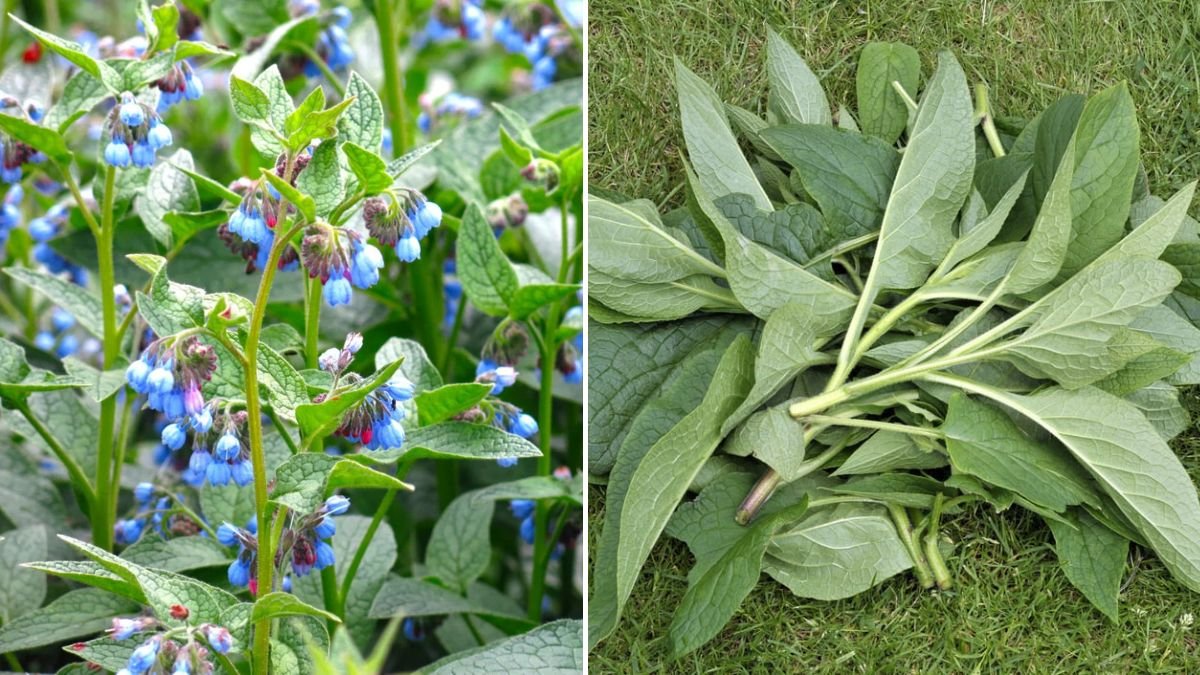

Comfrey has quietly earned a legendary reputation among experienced gardeners, permaculture designers, and organic growers. Often called “the plant that just keeps giving,” comfrey is far more than an ornamental or medicinal herb. It is a workhorse of the garden—producing rich biomass, improving soil, feeding plants, and supporting pollinators with very little effort once established.
With sustainability and natural gardening becoming more important than ever, comfrey is gaining renewed attention. This deep-rooted perennial offers a way to fertilize gardens naturally, improve soil health, reduce chemical inputs, and create a more resilient growing space. If you’re serious about long-term garden success, comfrey deserves a place in your landscape.
Let’s explore the seven biggest reasons gardeners around the world are planting comfrey—and never looking back.
What Is Comfrey?
Comfrey (Symphytum species) is a hardy perennial plant with large, fast-growing leaves and a deep taproot system. It produces clusters of bell-shaped flowers in shades of purple, pink, or blue, making it both beautiful and highly functional.
What makes comfrey unique is its ability to pull nutrients from deep in the soil. While many plants only access the top few inches, comfrey’s roots reach far below, collecting minerals that would otherwise remain unavailable. These nutrients are stored in the leaves, turning comfrey into a natural nutrient reservoir for your garden.
Because of this ability, comfrey is often referred to as a “dynamic accumulator.”
1. Comfrey Is a Natural Fertilizer Factory
Comfrey leaves are loaded with nutrients essential for plant growth, including:
- Potassium for flowering and fruiting
- Nitrogen for leafy growth
- Calcium for strong cell walls
- Magnesium for photosynthesis
- Trace minerals for overall plant health
When the leaves are cut and returned to the soil, those nutrients are released back into the garden. This makes comfrey one of the most powerful organic fertilizers you can grow yourself.
Many gardeners use comfrey leaves as green mulch around vegetables, fruit trees, and flowers. As the leaves break down, they enrich the soil and feed surrounding plants.
2. You Can Make Powerful Liquid Fertilizer
One of comfrey’s most famous uses is in the form of comfrey tea—a liquid plant feed made by soaking chopped leaves in water. The result is a dark, nutrient-rich solution that rivals commercial fertilizers.
This liquid can be diluted and used as:
- A foliar spray for leafy growth
- A soil drench for vegetables and flowers
- A booster for fruiting plants
Tomatoes, peppers, cucumbers, squash, and roses all respond exceptionally well to comfrey tea. It provides fast-acting nutrients without harming soil life or pollinators.
3. Comfrey Attracts Pollinators
Comfrey flowers produce large amounts of nectar and are extremely attractive to:
- Bees
- Butterflies
- Beneficial insects
By planting comfrey, you create a magnet for pollinators, which increases the productivity of your entire garden. Better pollination leads to better fruit set, higher yields, and healthier plants.
Because comfrey blooms for long periods, it helps provide food for pollinators when other flowers may not be in bloom.
4. It Improves Soil Structure
Comfrey doesn’t just add nutrients—it physically improves the soil.
Its deep roots break up compacted soil, creating channels for air, water, and microorganisms. Over time, this improves drainage, reduces erosion, and makes soil more fertile and easier to work.
When comfrey leaves decompose, they add organic matter that helps soil retain moisture and support beneficial microbes.
This makes comfrey especially valuable for:
- Heavy clay soil
- Degraded or compacted ground
- New garden beds
5. It Produces Huge Amounts of Organic Matter
Comfrey grows fast—very fast. In many climates, it can be cut 3–5 times per year, producing large piles of nutrient-rich leaves every time.
These leaves can be used as:
- Mulch
- Compost material
- Soil conditioner
- Compost activator
Few plants produce so much usable organic material from such a small space. Once established, a single comfrey plant can provide years of free fertilizer.
6. Comfrey Helps Control Weeds and Retain Moisture
Comfrey’s large leaves form a dense canopy that shades the soil, reducing weed growth. When leaves fall or are used as mulch, they cover bare ground and help:
- Retain soil moisture
- Protect beneficial soil organisms
- Reduce evaporation in hot weather
This makes comfrey an excellent companion plant for fruit trees, berry bushes, and vegetable beds.
7. It’s Extremely Easy to Grow
Once planted, comfrey is almost impossible to kill. It tolerates:
- Poor soil
- Drought
- Cold temperatures
- Heavy harvesting
It grows back year after year with little care. For gardeners who want reliable results without constant maintenance, comfrey is a dream plant.
Many gardeners choose sterile hybrid varieties such as Bocking 14, which do not spread by seed and are easier to control in the garden.
How to Use Comfrey in the Garden
Comfrey can be used in many ways:
- Chop leaves and spread around plants as mulch
- Add leaves to compost piles
- Make liquid fertilizer
- Use as green manure
- Plant near fruit trees to improve soil
It works especially well in permaculture systems, food forests, and organic vegetable gardens.
Important Safety Note
Comfrey should not be consumed internally by humans due to compounds that may damage the liver. While it has historical medicinal uses, modern gardeners should treat it as a garden utility plant, not a food or tea.
When handling fresh leaves, some people may experience skin irritation, so wearing gloves is recommended.
Suggested Authoritative Sources
To learn more about comfrey and its uses, explore these expert resources:
- Garden Organic – Comfrey and green manures
- Royal Horticultural Society – Soil improvement plants
- Permaculture Research Institute – Dynamic accumulators
- University agricultural extension services
Final Thoughts
Comfrey truly earns its reputation as the plant that just keeps giving. It feeds your soil, nourishes your crops, attracts pollinators, and improves your garden’s health year after year. With minimal effort and no chemical inputs, this extraordinary plant can transform the way you garden.
If you want a stronger, healthier, more sustainable garden, comfrey is one of the best investments you can make. Plant it once—and reap the benefits for decades.