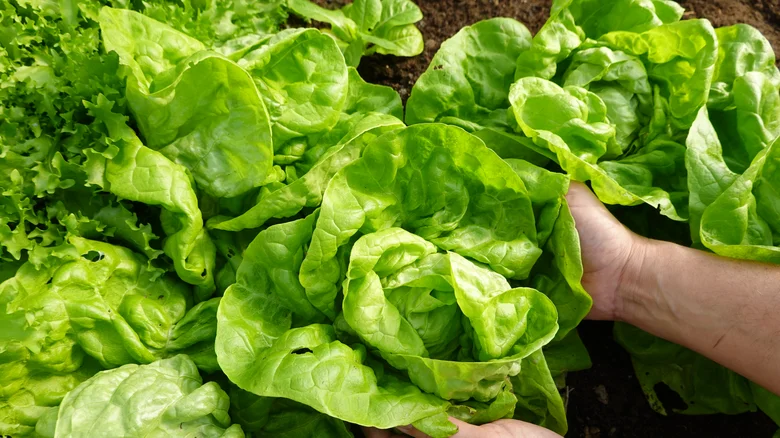

Leafy greens like lettuce, kale, spinach, and arugula are garden staples. They’re nutrient-rich, versatile in the kitchen, and can be grown in nearly any backyard or container garden. But growing healthy, vibrant leafy greens isn’t always easy. Pests, diseases, and nutrient deficiencies can quickly turn a promising crop into a disappointing harvest.
Fortunately, there’s a natural, sustainable solution that not only encourages robust growth but also helps protect your leafy greens from disease: the right fertilizer. By understanding how certain fertilizers work and how to apply them correctly, gardeners can enjoy thriving plants, bountiful harvests, and reduced risk of common leafy green problems.
Why Fertilization Matters for Leafy Greens
Leafy greens are fast-growing crops that demand a steady supply of nutrients. Without proper nutrition, plants can suffer from:
- Slow or stunted growth
- Yellowing leaves due to nutrient deficiencies
- Weak stems or leaf brittleness
- Increased susceptibility to pests and diseases
The right fertilizer provides essential nutrients, such as nitrogen, phosphorus, potassium, and trace minerals, that support healthy foliage, strong roots, and disease resistance.
The Role of Nitrogen in Leafy Green Growth
Nitrogen is a crucial nutrient for leafy vegetables. It is a major component of chlorophyll, the molecule that plants use for photosynthesis, and helps promote:
- Rapid leaf growth
- Deep green color
- Vigorous, dense foliage
However, too much nitrogen can encourage lush leaves at the expense of roots or make plants more susceptible to fungal diseases. A balanced fertilizer strategy is key.
Phosphorus and Potassium: Building Healthy Roots and Stems
While nitrogen promotes leaves, phosphorus and potassium are equally essential for leafy greens:
- Phosphorus supports strong root systems, which help plants absorb water and nutrients more efficiently.
- Potassium enhances overall plant vigor, regulates water use, and strengthens cell walls, making leaves more resistant to stress and disease.
Together, these nutrients create well-rounded, resilient plants capable of withstanding common garden challenges.
The Disease-Fighting Benefits of Certain Fertilizers
Some fertilizers do more than provide basic nutrition. Certain natural amendments, like wood ash, compost, and seaweed extracts, can also help prevent diseases:
- Wood ash: Raises soil pH in slightly acidic soils, making conditions less favorable for diseases like clubroot, which affects cabbage-family greens.
- Compost: Adds beneficial microorganisms that compete with harmful pathogens, improving soil health and plant immunity.
- Seaweed or kelp extract: Contains trace minerals and plant hormones that enhance stress tolerance and disease resistance.
By combining growth promotion with disease prevention, these fertilizers help gardeners achieve strong, healthy leafy greens with fewer chemical interventions.
Choosing the Right Fertilizer for Leafy Greens
When selecting a fertilizer, consider the following:
- Nitrogen-focused fertilizers for leafy growth. Look for fertilizers labeled high in nitrogen (e.g., 10-5-5 NPK) to encourage lush foliage.
- Balanced fertilizers (e.g., 5-5-5 or 10-10-10 NPK) for steady growth, root development, and disease resistance.
- Organic options like compost, worm castings, or liquid seaweed extract for long-term soil health.
- Amendments like wood ash or lime for slightly acidic soils that need pH adjustment.
Matching the fertilizer to your soil and plant needs ensures maximum growth without over-fertilizing, which can harm plants.
How to Apply Fertilizer Correctly
Proper application is just as important as choosing the right fertilizer:
1. Pre-Plant Soil Preparation
- Mix slow-release fertilizer or compost into the soil before planting.
- Ensure even distribution to prevent nutrient hotspots.
- If using wood ash, apply sparingly to avoid raising soil pH too much.
2. Side Dressing
- For established leafy greens, side dressing provides additional nutrients as plants grow.
- Sprinkle fertilizer around the base of the plant, avoiding direct contact with leaves.
- Water after application to help nutrients penetrate the soil.
3. Liquid Fertilizers
- Liquid fertilizers, like seaweed extract or fish emulsion, provide a quick nutrient boost.
- Apply every 2–3 weeks during active growth.
- Foliar feeding (spraying leaves) can deliver nutrients directly, supporting rapid recovery and disease resilience.
Timing Fertilization for Maximum Effect
- Early growth stage: Apply nitrogen-rich fertilizer to promote leaf development.
- Mid-season: Use balanced fertilizers or organic amendments to support roots and overall plant health.
- Pre-harvest: Avoid heavy nitrogen late in the season, as it can make leaves more tender and susceptible to disease.
Timing your fertilization ensures leafy greens grow quickly, remain nutritious, and resist disease naturally.
Additional Tips for Leafy Green Health
- Rotate crops to reduce soil-borne diseases. Avoid planting brassicas in the same soil year after year.
- Mulch around plants to conserve moisture and reduce fungal infections.
- Maintain proper spacing for airflow, which helps prevent powdery mildew and other leaf diseases.
- Water at the soil level, avoiding wetting leaves, which reduces fungal risk.
- Inspect plants regularly for signs of pests or disease, treating early if necessary.
Combining proper fertilization with these cultural practices creates a healthy, resilient environment for your greens.
Common Mistakes to Avoid
- Over-fertilizing: Can cause excessive leaf growth, poor flavor, or nutrient imbalances.
- Neglecting soil testing: Fertilizing without understanding soil needs may waste resources or harm plants.
- Ignoring disease prevention: Fertilizers support growth, but good garden hygiene and monitoring are essential.
- Using chemical fertilizers exclusively: Organic amendments provide long-term soil health benefits that synthetic fertilizers cannot.
Avoiding these mistakes ensures leafy greens remain productive, tasty, and disease-resistant.
The Bottom Line
Fertilizers play a crucial role in growing healthy, disease-resistant leafy greens. By providing essential nutrients like nitrogen, phosphorus, and potassium — along with natural amendments such as wood ash or compost — gardeners can promote rapid growth, strong roots, and vibrant leaves, while reducing the risk of common garden diseases.
Understanding your soil, selecting the right fertilizer, and applying it at the correct time creates the perfect foundation for leafy greens to thrive from seedling to harvest. With the right approach, your garden can produce lush, nutritious greens that are as healthy for you as they are resilient against disease.
Healthy soil, smart fertilization, and attentive care are all you need to ensure your leafy greens are vibrant, flavorful, and abundant season after season.