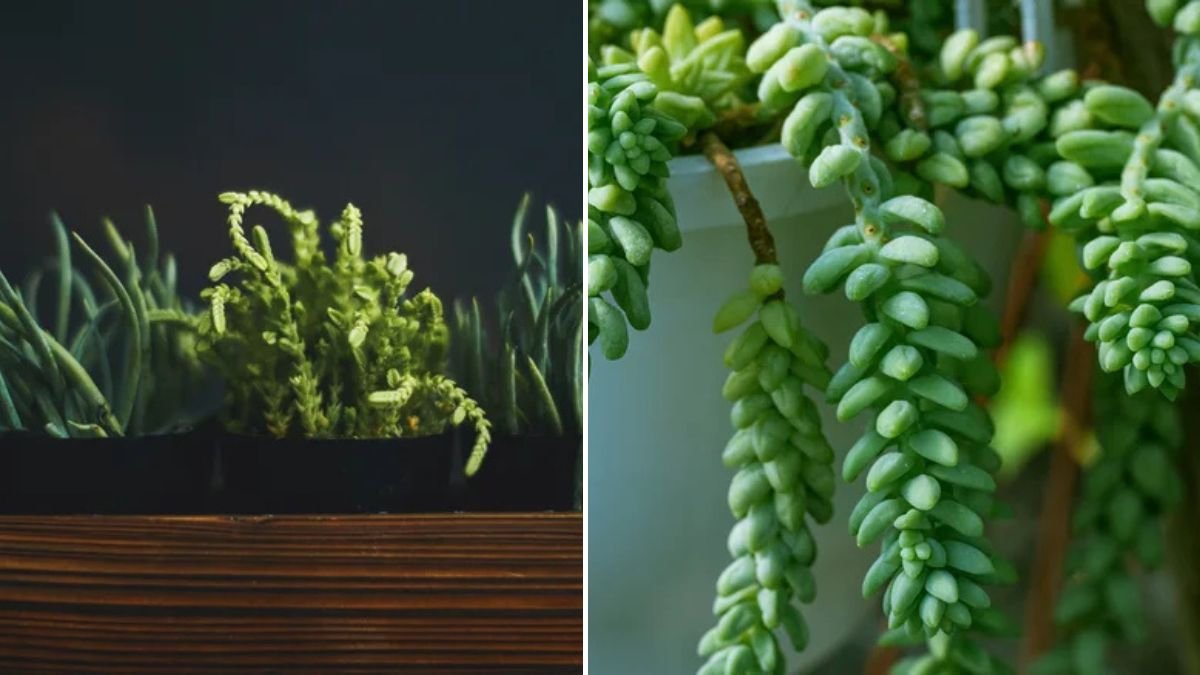

When most people think of succulents, they imagine sun-soaked windowsills, bright balconies, and plants that demand hours of direct light. That’s because the majority of succulents evolved in deserts and dry, open landscapes where sunlight is intense. Put them in a dim room and they quickly stretch, fade, and eventually die.
But there is one incredible plant that breaks all the rules.
It looks like a succulent, stores water like a succulent, and grows slowly like a succulent — yet it thrives in low light, survives in dark corners, and actually prefers shade over harsh sun.
That plant is the Snake Plant (Dracaena trifasciata, formerly Sansevieria).
Let’s explore why this plant is so special, how it’s different from other succulents, and why it might be the best indoor plant you can ever own.
Why Most Succulents Fail Indoors
True succulents such as aloe, echeveria, jade plants, and cacti evolved in extremely bright environments. Their thick leaves store water to survive long dry seasons, but they rely on intense sunlight to fuel their slow metabolism.
When placed in low-light rooms:
- They stretch toward light (etiolation)
- Leaves become pale and thin
- Growth weakens
- Roots rot due to slow water use
Most succulents simply can’t adapt to shade.
This is what makes the snake plant so unusual.
What Is the Snake Plant?
The snake plant is a hardy, upright-growing plant with thick, sword-shaped leaves that resemble a succulent. It stores water in its leaves and survives long periods without watering.
Yet unlike true succulents, it evolved in shaded forest floors of West Africa, where sunlight filters through tall trees. This means it is naturally adapted to low light conditions.
This is why it thrives where other succulents fail.
The King of Low Light
Snake plants can survive and even grow in:
- North-facing rooms
- Hallways
- Bedrooms
- Offices with artificial lighting
- Corners far from windows
While they grow faster in brighter light, they remain healthy even in dim rooms — something almost no succulent can do.
That makes the snake plant ideal for apartments, small homes, and offices where sunlight is limited.
How Snake Plants Store Water
Just like succulents, snake plants store water in their thick, fleshy leaves. This allows them to survive drought for weeks — even months — without watering.
But unlike desert succulents, they use water very slowly in low light, which prevents them from drying out or becoming stressed in shade.
This balance of water storage + shade tolerance is what makes them unique.
One of the Best Air-Purifying Plants
Snake plants do something almost no other houseplant does:
They release oxygen at night.
Most plants stop producing oxygen after sunset, but snake plants continue to clean the air even while you sleep. This makes them perfect for bedrooms.
They also remove:
- Formaldehyde
- Benzene
- Xylene
- Toxins from paints, furniture, and cleaners
A snake plant quietly improves the air in any room, even in low light.
Why It’s Perfect for Bedrooms
Because snake plants release oxygen at night and tolerate shade, they are one of the best plants you can keep in a bedroom.
They:
- Improve sleep quality
- Reduce headaches
- Lower carbon dioxide levels
- Increase humidity slightly
And they do it without needing sunlight streaming through the window.
How to Care for a Snake Plant
This plant is famous for surviving neglect.
Light
Low to bright indirect light. Avoid harsh direct sun.
Water
Water only when the soil is completely dry.
Overwatering is the only real danger.
Soil
Well-draining potting mix.
Temperature
Prefers normal room temperature.
Avoid freezing conditions.
Why Snake Plants Are Hard to Kill
Snake plants are incredibly tough because:
- They store water
- They grow slowly
- They tolerate shade
- They resist pests
- They don’t mind dry air
You can forget to water them for weeks and they will still look perfect.
How They Improve Mental Health
Studies show indoor plants reduce stress, anxiety, and mental fatigue. Snake plants are especially helpful because they thrive in areas where people spend most of their time — bedrooms, offices, and living rooms.
Their upright leaves also give a sense of order and calm.
A Plant That Fits Modern Life
Modern homes often lack sunlight. Tall buildings, tinted windows, and artificial lighting make it hard for most plants to survive.
But snake plants evolved for this exact environment.
They don’t need:
- Direct sun
- Frequent watering
- High humidity
- Special care
They just quietly grow — even in the darkest corners.
Final Thoughts
If you love succulents but don’t have a sunny home, the snake plant is your perfect match.
It has:
- The drought resistance of a succulent
- The shade tolerance of a forest plant
- The air-cleaning power of a purifier
- The beauty of modern design
While other succulents struggle and fade in low light, the snake plant stands tall — strong, green, and alive.