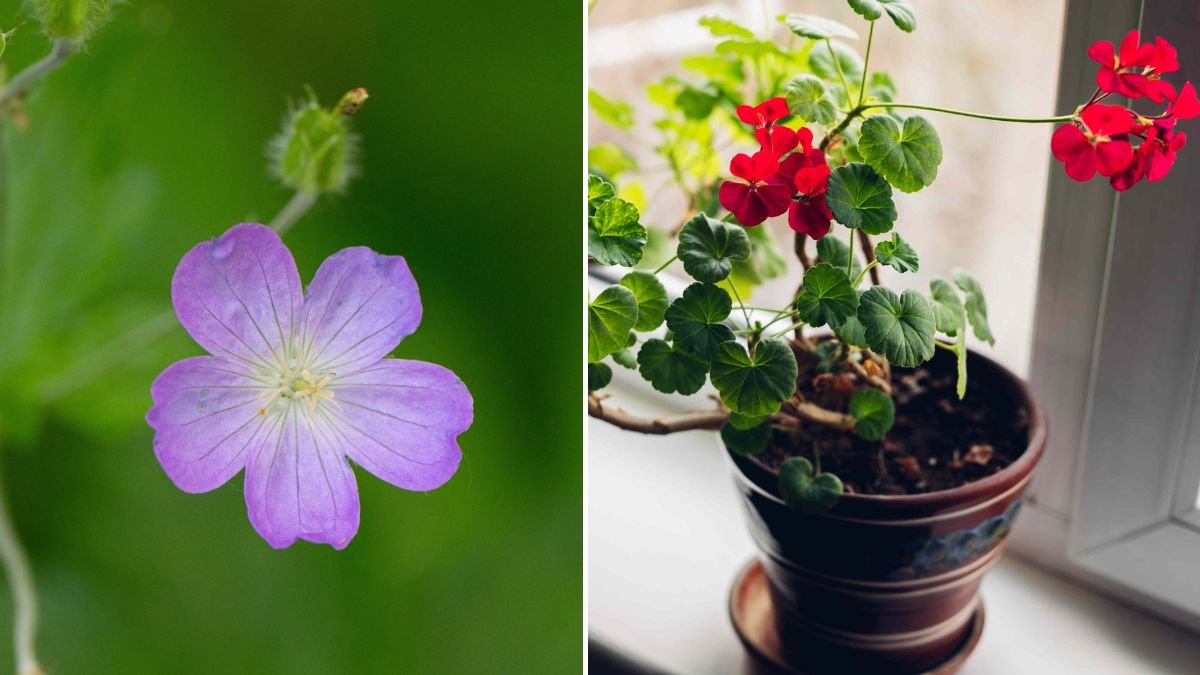

Geraniums are among the most popular flowering plants for gardens, patios, and containers, celebrated for their bright blooms and versatility. In colder climates, however, these tender plants are often treated as annuals because they cannot survive frost. By learning the best methods for overwintering geraniums, gardeners can preserve their favorite varieties, save money, and enjoy healthier, more vigorous blooms in the next growing season. Overwintering is not just about survival — it is about nurturing plants to thrive year after year.
Understanding how geraniums respond to cold is key to successfully carrying them through winter. Most geraniums, especially the popular Pelargonium types, are sensitive to temperatures below 5°C (41°F). Frost can damage leaves, stems, and even roots, potentially killing the plant. Overwintering ensures your plants survive these harsh conditions, whether they are in containers, garden beds, or borders. By providing proper care during winter, you can encourage strong growth and abundant flowering once the warmer months return.
There are several effective methods for overwintering geraniums, and the best approach depends on your space, climate, and goals. The three most common strategies are keeping plants as indoor houseplants, storing them dormant in a cool space, or propagating cuttings for new plants. Each method has distinct advantages and can be tailored to suit your gardening needs.
One of the most reliable ways to overwinter geraniums is to keep them growing indoors. Before the first frost, potted geraniums or garden-grown plants should be brought inside. If plants are in the ground, they can be carefully dug up and repotted in well-draining containers. Prior to moving indoors, it is recommended to trim the plants back by one-third to one-half of their summer size. This pruning reduces stress and encourages the plant to focus its energy on maintaining healthy roots and developing new shoots. Removing dead flowers and weak or diseased leaves also improves the plant’s chances of surviving the winter indoors.
Indoor geraniums require bright light to remain healthy. A sunny south-facing window is ideal, or alternatively, gardeners can use grow lights to provide consistent illumination. Maintaining a cool indoor temperature, around 50–60°F (10–15°C), helps prevent legginess and excessive stress. Watering should be moderate; only water when the top inch of soil is dry, as overwatering can cause root rot during the low-light months. Fertilizer is typically unnecessary during dormancy, but a light feeding can be applied in early spring when new growth appears. This method allows the plant to remain active over winter, resulting in more vigorous growth and better flowering in spring.
Another effective approach is dormant storage. For gardeners who prefer their geraniums to rest rather than grow indoors, dormant storage mimics a natural winter period. This involves digging up the plants before frost and trimming back stems to 6–8 inches. Roots can be wrapped in newspaper, and the plants stored upright or upside down in a cool, dark, frost-free location such as a basement or garage. Ideal storage temperatures are between 5–10°C (41–50°F), with occasional misting only if the plants begin to shrivel. Dormant storage reduces the need for watering and preserves plants without occupying indoor living space. Once temperatures warm in spring, these plants can be gradually reintroduced outdoors, often emerging vigorous and ready to bloom.
A third option, which is particularly useful when space is limited, is to take cuttings. Geranium cuttings can be taken in the fall before frost sets in. Healthy stems, about four to six inches long, are cut and the lower leaves removed. Cut ends are allowed to dry slightly before being planted in moist potting soil. Placing the cuttings in bright, indirect light encourages rooting over winter. By spring, these cuttings develop into healthy new plants, providing a backup stock in case the original plants do not survive or for expanding your collection. Cuttings also require less space than maintaining full plants indoors, making this an efficient method for gardeners with limited room.
Regardless of the chosen method, proper preparation and care are essential. For all approaches, it is important to remove any diseased or damaged leaves before storage or indoor placement. Gradual acclimation back to outdoor conditions in spring, known as hardening off, helps reduce shock. This process involves placing plants outdoors for increasing periods over one to two weeks, gradually exposing them to full sun, wind, and outdoor temperatures. Pruning and light fertilization can help restore plant shape and encourage strong flowering for the upcoming season.
Overwintering geraniums offers several clear benefits beyond simply preserving the plants. Financially, it reduces the need to purchase new plants each spring. Overwintered plants tend to be stronger and more floriferous, producing larger blooms and denser foliage than newly purchased plants. Additionally, plants that survive winter in a home or controlled environment often adapt better to local growing conditions, which can result in improved resilience and vigor. For gardeners with sentimental or rare varieties, overwintering ensures that cherished plants are maintained year after year.
Indoor overwintering allows gardeners to enjoy greenery during the colder months, providing aesthetic and emotional benefits. Plants kept under bright light remain visually appealing and contribute to indoor air quality. Dormant storage, on the other hand, frees indoor space while still preserving plants for spring. Cuttings create a stock of fresh, young plants, which are easier to manage and often produce more flowers once transplanted outdoors. All methods contribute to a sustainable gardening approach, extending the lifecycle of plants and reducing waste.
In conclusion, overwintering geraniums is a valuable practice for any gardener who wants to enjoy thriving plants and vibrant blooms year after year. By choosing the method that best suits your space and climate — indoor houseplant care, dormant storage, or taking cuttings — you can protect your plants from frost and cold damage. Proper preparation, including pruning, cleaning, and acclimating plants, ensures that they survive the winter and return vigorous in spring. With careful attention to light, water, and temperature, overwintered geraniums often outperform new annuals, providing stronger stems, more flowers, and a healthier overall plant.
Embracing overwintering not only conserves money and resources but also enhances the gardening experience by keeping beloved plants alive and productive for multiple seasons. Whether for decorative containers, garden beds, or sentimental favorites, the effort invested in overwintering geraniums is rewarded with a long-term display of beauty, vitality, and satisfaction. By following these methods, gardeners can ensure that their geraniums thrive, offering a continuous cycle of growth and bloom from year to year.