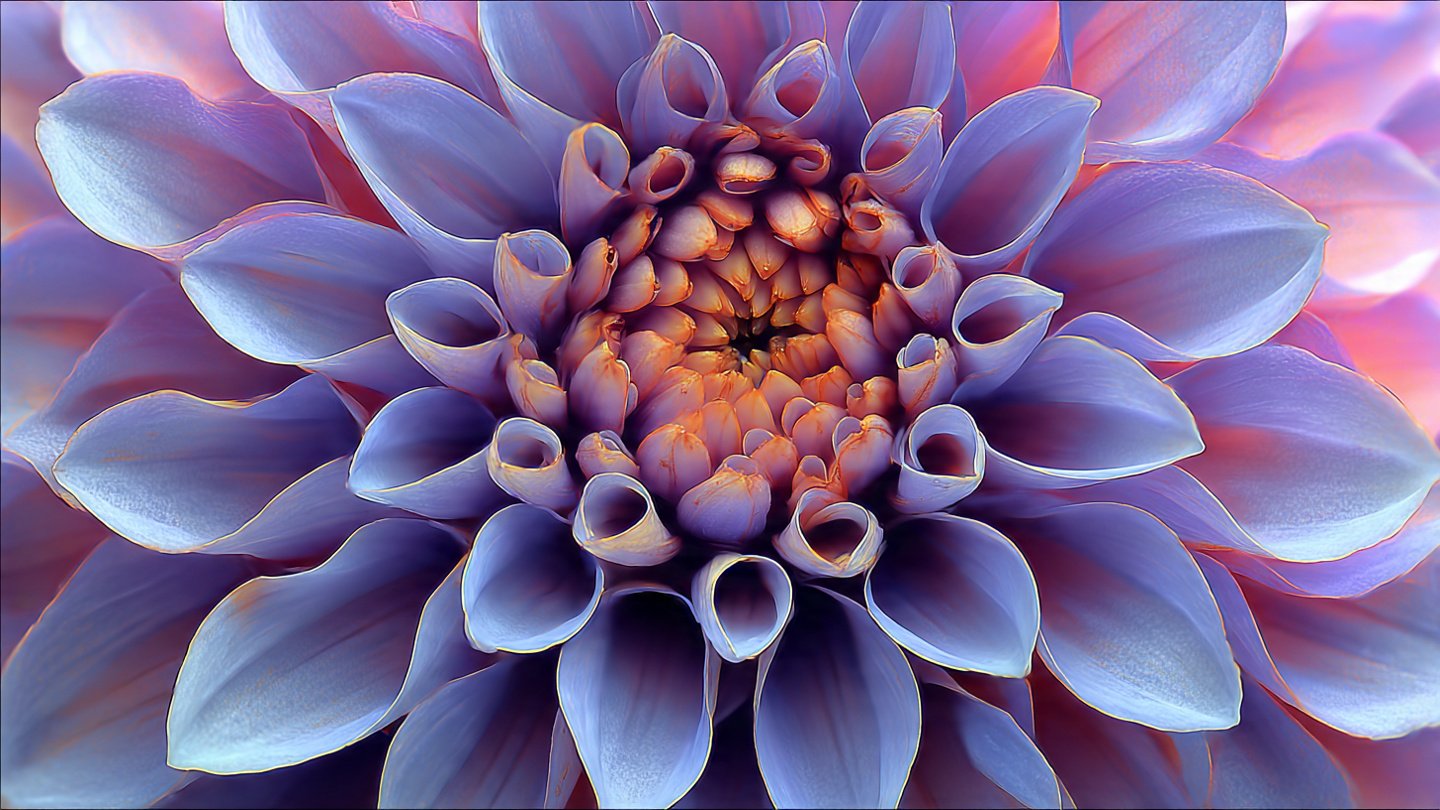

Throughout history, flowers have captivated humans with their vibrant colors, delicate structures, and intoxicating fragrances. Yet, beyond their visual allure lies a realm of hidden complexities and patterns that extend beyond human perception. Utilizing advanced scientific techniques and our understanding of natural phenomena, we can explore these amazing secrets that flowers conceal, unveiling their rich significance in the ecosystem and their interactions with different life forms.
The Hidden Geometry of Flowers
One of the most mesmerizing aspects of flowers is their geometric arrangement. The study of phyllotaxis, or the arrangement of leaves on a stem, illustrates hidden patterns in nature, such as the Fibonacci sequence. Flowers like the sunflower and daisy showcase radiating petals in spiral patterns, creating a harmonious structure that optimizes space and exposure to sunlight.
Moreover, many flowers exhibit a characteristic six-petal structure, aligning with mathematical principles of symmetry and proportion. These patterns are not only aesthetically pleasing but also intricately linked to evolution, adapting over time to maximize reproductive success.
Fibonacci Sequence in Floral Patterns
The Fibonacci sequence—where each number is the sum of the two preceding ones—appears in the arrangement of petals in many flowers. For instance, lilies have three petals, buttercups have five, and daisies can range anywhere from 34 to 55 petals, all illustrating this sequence. This mathematical pattern plays a vital role in how a flower’s design allows for the most efficient packing of seeds, thus enhancing its reproductive potential.
Ultraviolet Patterns: A Hidden World
Another layer of complexity that flowers possess is found in their ability to reflect ultraviolet (UV) light, which is invisible to the human eye but highly significant for various pollinators, including bees. Many flowers have evolved intricate UV patterns, often looking like landing strips, guiding pollinators towards the nectar. Such adaptations are prime examples of co-evolution, showcasing how plants and animals influence each other’s development.
Bees and UV Patterns
Research has demonstrated that bees can see UV patterns on flowers, which helps them locate food sources efficiently. Flowers like the common bluebell contain UV markings that indicate where nectar is located, assisting bees in their foraging behaviors. This not only highlights an incredible symbiotic relationship but emphasizes the importance of understanding these invisible patterns for cultivating bee-friendly environments.
Fractal Patterns and Self-Similarity
Within nature, fractals often emerge in the growth patterns of flowers, illustrating self-similarity and complexity at various scales. The branching structures of petals and sepals often mimic fractal dimensions, revealing a level of order and chaos that is fundamental to life.
Such fractal geometry can be observed in flowers like the Romanesco broccoli and certain types of orchids. The intricate designs are not merely coincidences; rather, they serve functional purposes, from maximizing light absorption to optimizing water retention, showcasing another example of how beauty and utility coexist in nature.
The Chemical Language of Flowers
Beyond visual patterns, flowers also harbor concealed chemical secrets. Various flowers emit volatile organic compounds (VOCs) that serve various biological functions, yet many of these compounds and their interactions remain undetectable to the human senses. These chemicals attract particular pollinators while deterring pests, ensuring successful reproduction.
Some notables include:
- Jasmonates: Chemicals released when a plant is under duress, alerting nearby plants of threats.
- Floral Scent: Unique perfume profiles that cater to specific pollinators, ensuring effective pollination.
- Color Change: Some flowers like the Hydrangea can change color based on soil pH, effectively communicating their readiness to pollinators.
Case Study: The Night-Blooming Jasmine
The night-blooming jasmine emits strong fragrance during the night, specifically attracting moths for pollination. The release of these chemicals is a timed process, showcasing an adaptation honed over millennia for survival. Examining these interactions and emissions reveals the fundamental interdependence within ecosystems.
The Role of Patterns in Healing and Well-Being
Beyond ecological functions, the patterns found in flowers have been linked to human health and well-being. The science of biophilia suggests that exposure to natural patterns, like those of flowers, can result in heightened mood and reduced stress levels. Floral patterns are often replicated in art, architecture, and various forms of design, indicating their profound influence on human culture and psyche.
Therapeutic Effects of Floral Patterns
Flowers are frequently used in therapeutic practices, such as floral therapy or floral aromatherapy, where the patterns and scents of flowers are utilized to relieve stress, promote relaxation, and enhance emotional well-being. Such practices underscore the significance of understanding the hidden dimensions of floral patterns, fostering connections between humans and nature.
Conclusion
The intricate patterns and secrets that flowers hide extend far beyond human perception, revealing a remarkable world of mathematical precision, evolutionary adaptation, and ecological significance. While we often admire flowers for their visible beauty, the reality is that they play a vital role in sustaining life on Earth through complex interactions and relationships. As we learn to appreciate the unseen dimensions of floral patterns, we develop a deeper connection with nature and a greater understanding of our place within the web of life.
FAQs
1. What are the Fibonacci patterns in flowers?
The Fibonacci pattern refers to a mathematical sequence where each number is the sum of the two preceding ones. Many flowers exhibit petal counts that align with this sequence, optimizing their design for reproduction and growth.
2. Why are ultraviolet patterns important for flowers?
Ultraviolet patterns attract pollinators such as bees, guiding them towards nectar and aiding in effective pollination. These patterns ensure that flowers can reproduce successfully in their environments.
3. How do chemical emissions from flowers affect ecosystems?
Chemical emissions, such as volatile organic compounds, can attract specific pollinators and deter pests. This chemical communication plays a crucial role in the survival and interaction of flora and fauna.
4. Can floral patterns influence human health?
Yes, exposure to floral patterns and the scents of flowers has been linked to improved mood, reduced stress, and overall well-being through practices like floral therapy and biophilia.
5. How do fractal patterns appear in flowers?
Fractal patterns can be seen in the branching structures and arrangements of petals, showcasing self-similarity and complexity, which serve functional purposes such as optimizing light and resource use.