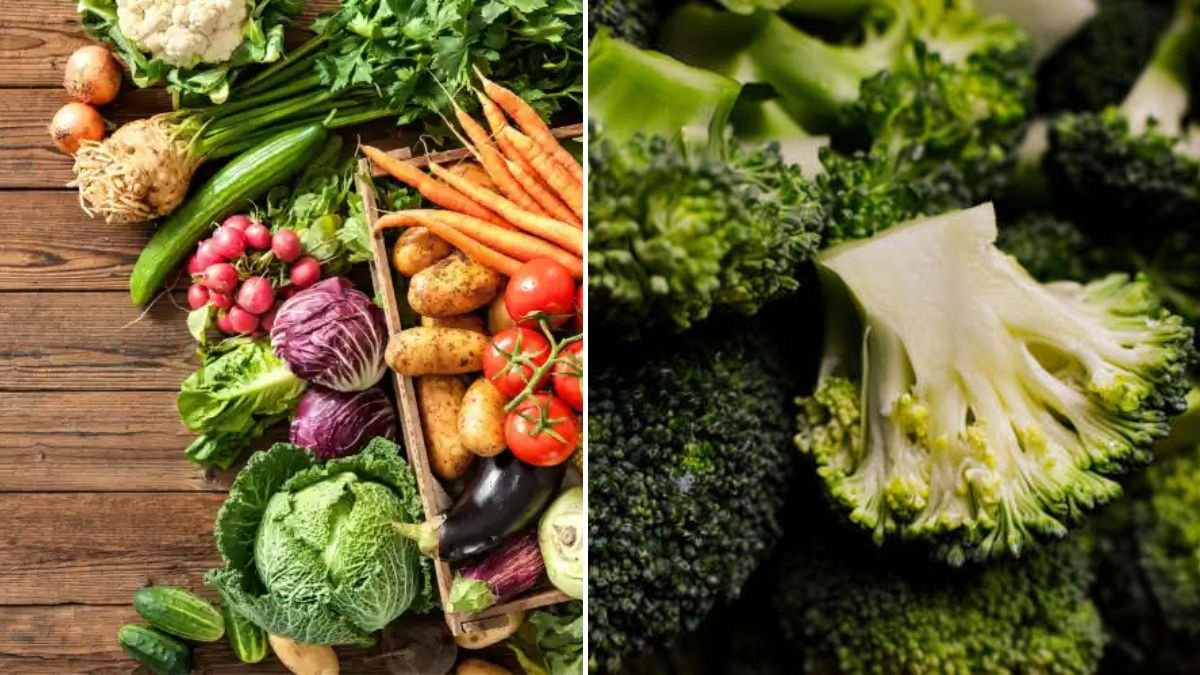

Why Nutritionists Rank Vegetables by Nutrient Density
In the past, people focused mainly on calories and portion sizes. Today, the emphasis has shifted toward getting the maximum nutrition from every bite. Nutrient-dense vegetables provide:
- High levels of vitamins A, C, K, and B-complex
- Essential minerals such as magnesium, calcium, potassium, and iron
- Fiber for gut health and blood sugar control
- Antioxidants and phytochemicals that fight inflammation
Vegetables that rank highest in nutrition studies tend to be leafy greens and deeply colored plants. These foods are linked to lower rates of heart disease, diabetes, obesity, and even certain cancers. Eating a variety of these vegetables is one of the easiest ways to upgrade your health in 2025.
1. Watercress
Watercress sits at the very top of most nutrition rankings, and for good reason. This peppery leafy green is loaded with vitamins A, C, and K, along with calcium, potassium, and powerful antioxidants. It delivers more nutrients per calorie than almost any other vegetable.
Watercress supports strong bones, boosts immunity, and helps protect cells from oxidative stress. Its crisp texture makes it ideal for salads, sandwiches, smoothies, and soups.
2. Chinese Cabbage (Napa Cabbage)
Chinese cabbage, also known as Napa cabbage, is another nutritional powerhouse. It is rich in vitamin C, vitamin K, folate, and fiber while being very low in calories. This vegetable also provides hydration because of its high water content.
Its mild flavor makes it extremely versatile—perfect for stir-fries, salads, soups, and fermented dishes like kimchi. It supports digestion, heart health, and immune function.
3. Swiss Chard
Swiss chard is one of the most underrated leafy greens. It is packed with vitamins A, C, and K, along with magnesium, potassium, and iron. The colorful stems also contain beneficial antioxidants.
Swiss chard helps regulate blood pressure, supports muscle function, and plays a role in bone strength. Lightly sautéed or added to soups and omelets, it’s an easy way to increase nutrient intake.
4. Beet Greens
Most people eat beets and throw away the greens—but beet greens are actually more nutritious than the root itself. They contain high levels of vitamins A, C, and K, plus fiber and disease-fighting antioxidants.
Beet greens support eye health, detoxification, and immune function. You can cook them like spinach or add them to smoothies for a nutrient boost.
5. Spinach
Spinach has long been considered a superfood, and it remains one of the healthiest vegetables in 2025. It is loaded with iron, magnesium, folate, and antioxidants such as lutein and zeaxanthin, which protect eye health.
Spinach supports brain function, reduces inflammation, and helps maintain strong muscles and bones. It works equally well in salads, smoothies, soups, and cooked meals.
6. Chicory
Chicory is a leafy vegetable with a slightly bitter flavor that is especially beneficial for digestion. It is rich in fiber, vitamin K, and antioxidants that support liver and gut health.
Its natural compounds stimulate digestion and improve nutrient absorption. Chicory is often used in salads, roasted dishes, or as a cooked green.
7. Leaf Lettuce
Leaf lettuce is far more nutritious than iceberg lettuce. It contains high levels of vitamin A, vitamin K, folate, and fiber while being low in calories.
It supports healthy vision, strong bones, and weight management. Leaf lettuce is ideal as a salad base or as a wrap alternative for sandwiches and tacos.
8. Parsley
Parsley is more than just a garnish—it’s one of the most nutrient-dense herbs you can eat. It contains vitamins A, C, and K, as well as antioxidants that help fight inflammation.
Parsley supports kidney health, immune function, and digestion. Add it to soups, salads, sauces, or smoothies for a fresh burst of nutrition.
9. Romaine Lettuce
Romaine lettuce is another leafy green that offers more nutrition than many people realize. It contains folate, fiber, vitamin A, and vitamin K.
Romaine supports heart health, digestion, and cellular repair. It’s an excellent base for salads, wraps, and bowls.
10. Collard Greens
Collard greens round out the top ten healthiest vegetables for 2025. These hearty leafy greens are packed with vitamins A, C, and K, as well as calcium and fiber.
They support bone strength, immune function, and inflammation control. Collards are perfect for sautés, soups, and slow-cooked dishes.
What Makes These Vegetables So Powerful?
The vegetables on this list share several important traits:
High Antioxidant Content
Antioxidants help neutralize free radicals, which are linked to aging and chronic disease. Leafy greens and colorful vegetables are rich in these protective compounds.
Rich in Fiber
Fiber improves digestion, balances blood sugar, and supports heart health. Most of these vegetables are naturally high in fiber while remaining low in calories.
Loaded with Vitamins and Minerals
From vitamin K for bones to vitamin C for immunity, these vegetables provide essential nutrients that many people don’t get enough of.
This is why nutritionists continue to recommend these vegetables as the core of a healthy diet.
How to Add the Healthiest Vegetables to Your Daily Diet
Eating the [FOCUS KEYWORD] doesn’t have to be complicated. Here are simple ways to include them every day:
1. Blend Them into Smoothies
Spinach, watercress, and beet greens blend easily into fruit smoothies without changing the taste.
2. Build Better Salads
Use romaine, leaf lettuce, chicory, and parsley as a nutrient-rich salad base instead of iceberg lettuce.
3. Add Greens to Hot Meals
Toss Swiss chard, collards, or Chinese cabbage into soups, stir-fries, and pasta dishes for a health boost.
4. Use Herbs Generously
Parsley and other herbs are concentrated sources of nutrients. Sprinkle them on everything from eggs to roasted vegetables.
Why These Vegetables Matter More Than Ever in 2025
Modern lifestyles expose people to stress, pollution, poor diets, and inflammation. The right vegetables help the body fight back by strengthening immunity, improving gut health, and protecting cells from damage.
Nutritionists increasingly emphasize food as medicine, and leafy greens are some of the most powerful natural tools available. Eating more of these vegetables can help support:
- Healthy weight management
- Better digestion
- Lower cholesterol
- Reduced inflammation
- Stronger bones and muscles
Simply swapping low-nutrient foods for these top vegetables can have a dramatic effect on overall health.
Final Thoughts
The 10 healthiest vegetables for 2025 are clear winners when it comes to nutrition, disease prevention, and everyday wellness. From watercress and spinach to collard greens and parsley, these vegetables offer a simple yet powerful way to eat better.
By building meals around the [FOCUS KEYWORD], you give your body the vitamins, minerals, and antioxidants it needs to thrive. Whether you add them to salads, soups, smoothies, or main dishes, these vegetables deserve a permanent place in your kitchen.