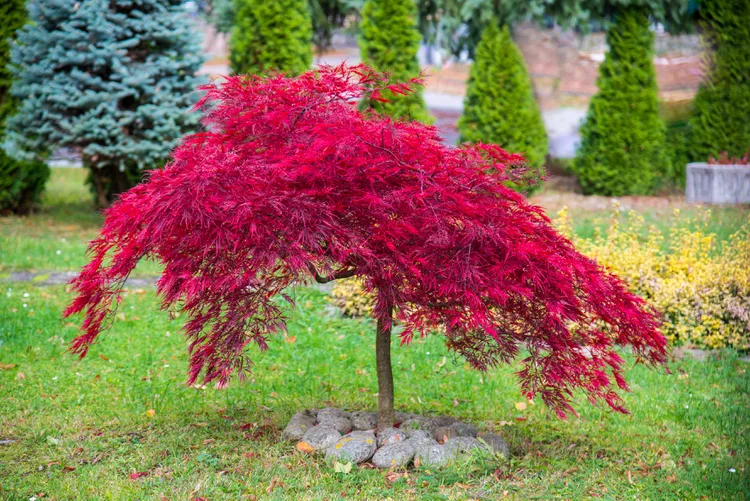

Japanese maple trees (Acer palmatum) are celebrated for their delicate, vibrant foliage, sculptural form, and seasonal beauty. Whether you have a towering specimen in your yard or a dwarf variety in a container, pruning is an essential part of maintaining a healthy, aesthetically pleasing tree. But the timing of pruning can be tricky. Many gardeners wonder: “Is it a bad idea to prune Japanese maples in the winter?”
Understanding when and how to prune your Japanese maple is key to protecting the tree, encouraging healthy growth, and enhancing its natural beauty. In this guide, we’ll explore the pros and cons of winter pruning, alternatives, and best practices for keeping your maple thriving.
Why Timing Matters for Japanese Maple Pruning
Japanese maples have thin bark, delicate branches, and a sensitive vascular system, making them vulnerable to injury. Pruning at the wrong time can lead to:
- Bleeding sap: Cuts made when the tree is actively transporting nutrients can cause sap to leak, weakening branches.
- Winter injury: Cold temperatures can damage freshly pruned branches, causing dieback.
- Increased disease risk: Open wounds in cold, damp conditions are more susceptible to fungal infections.
Choosing the right season balances tree health, aesthetics, and long-term growth.
What Happens When You Prune in Winter?
Winter pruning is often done during the dormant season, typically between late fall and early spring. While this may seem convenient, it comes with specific considerations for Japanese maples:
Pros of Winter Pruning
- Better visibility of structure: Without leaves, you can clearly see the branches, identifying weak, crossing, or crowded limbs.
- Reduced stress on the tree: Dormant trees are not actively growing, so pruning won’t immediately redirect energy to new shoots.
- Easier planning: Pruning in winter helps you shape the tree before spring growth begins.
Cons of Winter Pruning
- Cold damage risk: Pruning in extremely low temperatures can freeze exposed cuts and damage branches.
- Sap bleeding: Certain Japanese maple varieties, particularly red-leaf types, can bleed sap even in winter, which may attract insects or weaken the branch.
- Delayed wound closure: Pruned cuts may take longer to heal in cold, damp conditions, increasing susceptibility to disease.
Winter pruning is not inherently bad, but it must be done carefully, with attention to weather, temperature, and tree variety.
Best Practices for Pruning Japanese Maples
If you choose to prune in winter, follow these steps to minimize risks and maximize tree health:
1. Prune on Mild, Dry Days
- Avoid extremely cold or wet days; temperatures above 32°F (0°C) are ideal.
- Dry conditions reduce the chance of fungal infections and frost damage on exposed cuts.
2. Focus on Dead, Diseased, or Damaged Branches
- Remove branches that are broken, crossing, or inward-growing.
- Prioritize structural improvement rather than heavy shaping during winter.
3. Use Sharp, Clean Tools
- Use pruning shears, loppers, or saws depending on branch size.
- Sterilize tools with rubbing alcohol or a bleach solution to prevent spreading disease.
4. Avoid Heavy Shaping
- Dramatic shaping is best done in late spring or summer when the tree is actively growing.
- Over-pruning in winter can stress the tree and reduce spring foliage.
5. Leave Smaller Branches Intact
- Thin carefully, but avoid removing too many small branches. These support the canopy and photosynthesis once spring arrives.
Alternative Seasons for Pruning
Many gardeners prefer to prune Japanese maples outside the heart of winter:
Late Spring to Early Summer
- After leaves have emerged, pruning is easier for shaping and aesthetic purposes.
- The tree’s active growth helps heal wounds quickly.
- Allows you to see the natural branch structure under foliage.
Late Summer to Early Fall (Light Pruning)
- Ideal for minor corrections, such as removing damaged branches or small growths.
- Avoid heavy pruning too close to winter, as the tree needs energy reserves to survive cold months.
Tips for Maintaining Tree Health Post-Pruning
- Mulch around the base: Keeps roots insulated during winter and retains moisture.
- Avoid fertilizing immediately after pruning: Wait until spring when growth resumes.
- Monitor for disease: Check cuts for fungal infections, especially in wet winter climates.
- Water appropriately: Even dormant trees need moisture; avoid drought stress.
Proper post-pruning care ensures your tree recovers quickly and remains vigorous.
Signs You Should Delay Winter Pruning
- Severe frost or snow forecast
- Extremely young or recently transplanted Japanese maples
- Trees showing signs of stress, like leaf scorch or winter burn
In these cases, waiting until late winter or early spring is safer for the tree’s long-term health.
Common Pruning Mistakes to Avoid
- Over-pruning: Removing too many branches reduces the tree’s ability to photosynthesize and store energy.
- Using dull tools: Jagged cuts can lead to slow healing and disease entry.
- Ignoring natural shape: Japanese maples have delicate forms; aggressive pruning can ruin the aesthetic.
- Pruning too close to the trunk: Always leave a small collar to allow the branch to heal properly.
Avoiding these mistakes ensures your pruning efforts enhance rather than harm the tree.
Benefits of Pruning at the Right Time
- Improved airflow and light penetration: Reduces disease risk and encourages healthy foliage.
- Enhanced aesthetics: Pruning helps maintain the natural, elegant form of Japanese maples.
- Stronger structure: Removing weak or crossing branches prevents damage during storms or heavy snow.
- Better flowering and seed production: Some varieties benefit from pruning to stimulate growth and seasonal blooms.
Correct timing maximizes these benefits while minimizing risks associated with winter pruning.
Final Thoughts
Pruning your Japanese maple in winter is not always a bad idea, but it comes with risks that require careful consideration. The dormant season can be advantageous for removing dead, damaged, or crossing branches while giving you a clear view of the tree’s structure. However, extreme cold, sap bleeding, and delayed healing are potential downsides.