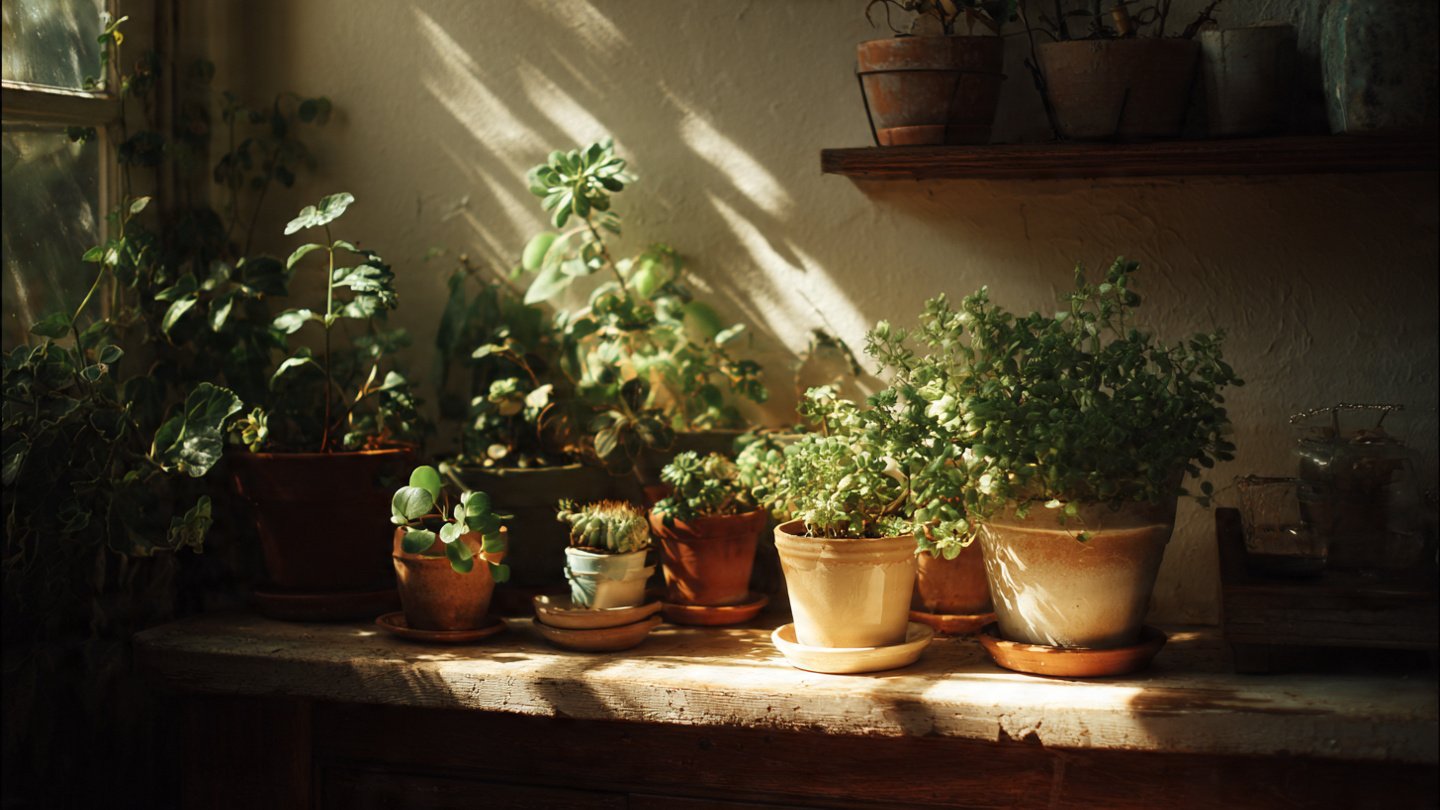

Maintaining houseplants can sometimes feel like an uphill battle. Between busy schedules, varying humidity levels, and the ever-looming threat of overwatering, many plant parents find themselves in a constant cycle of nurturing and mourning. However, some plants are incredibly forgiving and can thrive even under less-than-ideal circumstances. Here’s a list of resilient plants that will flourish in your care, despite your gardening challenges.
1. Snake Plant (Sansevieria)
The Snake Plant, or Mother-in-Law’s Tongue, is one of the easiest plants to care for. It can thrive in a variety of conditions, making it a favorite among indoor gardeners.
- Light Requirements: Low to bright indirect light.
- Watering: Allow the soil to dry out completely between waterings.
- Benefits: Excellent air purifier and adapts to various humidity levels.
2. ZZ Plant (Zamioculcas zamiifolia)
ZZ Plants are renowned for their ability to survive neglect. They can go weeks without water and can thrive in low-light conditions.
- Light Requirements: Low to bright indirect light; avoid direct sun.
- Watering: Water every 2-3 weeks; let the soil dry out in between.
- Benefits: Tolerates drought and improves indoor air quality.
3. Pothos (Epipremnum aureum)
Pothos is a trailing vine that’s incredibly versatile and can thrive in almost any environment. They’re perfect for beginners.
- Light Requirements: Low to bright indirect light; can handle low light conditions.
- Watering: Water when the top inch of soil is dry.
- Benefits: Fast-growing and effective at filtering indoor air.
4. Spider Plant (Chlorophytum comosum)
Spider Plants are hardy, easy to propagate, and adapt well to various indoor conditions. Their charming foliage grows in an arching pattern, making them an attractive addition.
- Light Requirements: Bright indirect light, but can tolerate lower light settings.
- Watering: Water when the top inch of soil is dry.
- Benefits: Known for its air-purifying qualities, it’s also non-toxic to pets.
5. Cast Iron Plant (Aspidistra elatior)
True to its name, the Cast Iron Plant is incredibly durable and can withstand neglect and adverse conditions.
- Light Requirements: Low to moderate indirect light.
- Watering: Water when the soil is dry to the touch.
- Benefits: Very tolerant of low humidity and drought, making it an ideal choice for busy households.
6. Jades (Crassula ovata)
Jade plants are succulents that don’t require much water and thrive in bright light, making them low-maintenance options.
- Light Requirements: Prefer bright, indirect light.
- Watering: Water once the soil is completely dry; overwatering can lead to root rot.
- Benefits: Believed to bring prosperity and good luck!
7. Peace Lily (Spathiphyllum)
Peace Lilies not only provide stunning blooms but also tolerate low light conditions and infrequent watering.
- Light Requirements: Low to moderate indirect light; avoid direct sun.
- Watering: Water when the soil is dry to the touch; they’ll even droop to let you know they need water!
- Benefits: Excellent air purifiers, improving indoor air quality.
8. Boston Fern (Nephrolepis exaltata)
While some ferns are finicky, Boston Ferns are known for their resilience and ability to thrive in humidity.
- Light Requirements: Indirect light; avoid strong direct sunlight.
- Watering: Keep the soil consistently moist, but allow it to dry slightly between waterings.
- Benefits: Natural humidifiers, great for improving air quality.
9. Rubber Plant (Ficus elastica)
With its thick, waxy leaves, the Rubber Plant is not only hardy but also adds a modern touch to any space.
- Light Requirements: Bright indirect light to partial shade.
- Watering: Water when the top inch of soil feels dry.
- Benefits: Improves indoor air quality and grows relatively quickly.
10. Aloe Vera
Aloe Vera is a succulent that stores water in its leaves, making it an easy-care option for beginners.
- Light Requirements: Bright, indirect sunlight; prefers sunny windowsills.
- Watering: Water when the soil is completely dry; allow excess water to drain out.
- Benefits: Its gel-like sap is known for soothing burns and skin irritations.
Conclusion
Choosing the right plants can significantly enhance your indoor environment while also allowing you to enjoy the benefits of nature without the stress of high-maintenance care. The above-listed plants are ideal for those who may struggle with keeping houseplants alive. Whether you’re looking for something to brighten your space, improve air quality, or simply enjoy a touch of greenery in your home, these hardy options are sure to thrive even when you can’t provide them with the perfect conditions. So go ahead and bring home one (or several!) of these low-maintenance companions that are sure to flourish in your care.
FAQs
Q1: How often should I water these plants?
A: Most of these plants prefer to dry out completely between waterings. Typically, once every 1-3 weeks is adequate, depending on the humidity and sunlight in your home.
Q2: What kind of soil is best for these plants?
A: A well-draining potting mix is ideal for most of these plants. You can use general-purpose potting soil or a mix designed for succulents and cacti for those that require less moisture.
Q3: Can I grow these plants in low light conditions?
A: Yes! Many of these plants thrive in low light situations, making them perfect for rooms with minimal sunlight.
Q4: Are any of these plants toxic to pets?
A: While most plants on this list are non-toxic, some like Pothos can be mildly toxic to pets if ingested. Always check if you have pets at home before selecting plants.
Q5: How do I encourage blooming in Peace Lilies?
A: Peace Lilies bloom best in bright, indirect light. Ensure you are fertilizing during the growing season and keeping the soil consistently moist for optimal blooming.