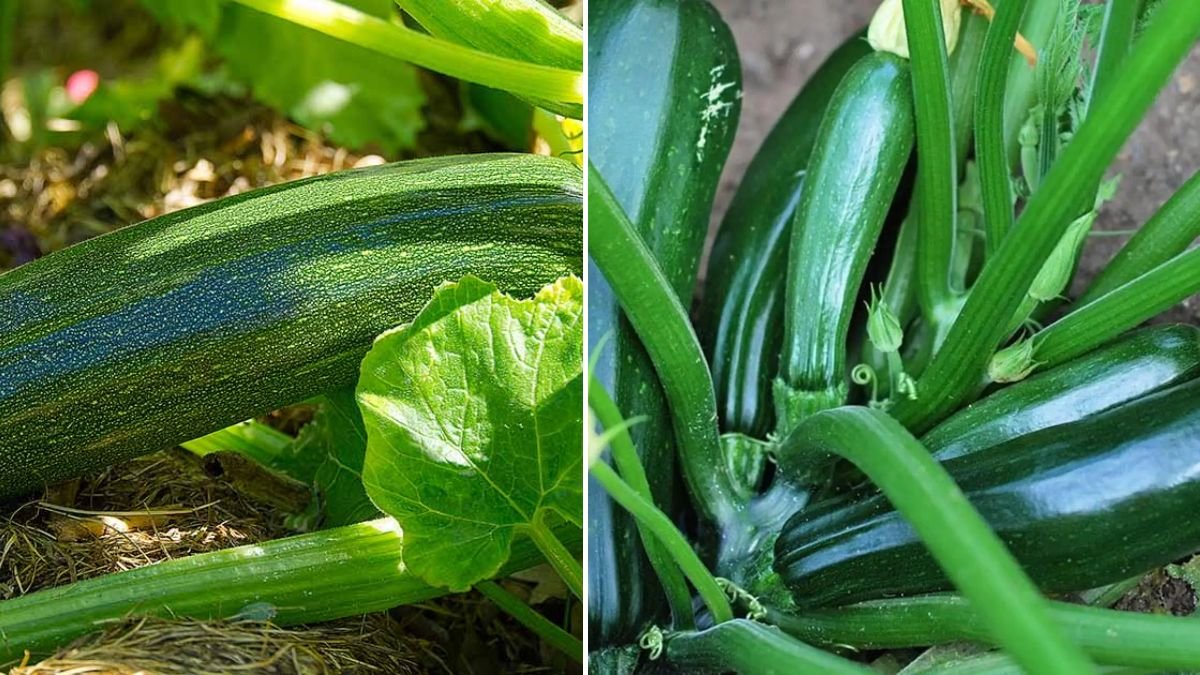

Introduction: The Organic Zucchini Breakthrough
Zucchini is one of the most rewarding vegetables to grow—but many gardeners struggle to maintain a full-season harvest. Traditionally, fertilizers and pesticides are recommended to boost growth and protect plants. However, this approach comes with downsides: chemical fertilizers can deplete soil health over time, and pesticides may harm beneficial insects and contaminate produce.
Recently, gardeners around the world have embraced a revolutionary idea: growing zucchini with no fertilizer and no pesticides, using a single, simple trick that allows plants to produce consistently all season long. This method has gone viral among organic gardeners and urban growers, making [FOCUS KEYWORD] a highly sought-after technique for anyone looking to enjoy chemical-free zucchini.
Whether you have a backyard garden, balcony containers, or a small community plot, this method can transform your zucchini-growing experience.
Why This Method Is Becoming Popular
There are several reasons gardeners are abandoning traditional chemical methods for this simple approach:
- Health and Safety: Gardeners want fresh, chemical-free produce for their families.
- Sustainability: Avoiding synthetic fertilizers and pesticides reduces pollution and protects soil health.
- Simplicity: The method requires minimal daily care while producing abundant zucchini.
- Urban Adaptability: Even small spaces can support a continuous harvest.
Across online forums, YouTube videos, and gardening blogs, millions of gardeners share their success stories, showing robust zucchini plants thriving without fertilizers or pesticides. (youtube.com)
The One Trick That Changes Everything
At the heart of this method is a deceptively simple principle: enhancing soil health and stabilizing moisture with mulch and deep watering.
Instead of relying on chemical inputs, this technique focuses on mimicking natural ecosystems. The trick involves:
- Deep watering once or twice a week to encourage strong root growth.
- Applying organic mulch to retain soil moisture, suppress weeds, and regulate temperature.
- Providing sufficient sunlight and airflow to reduce plant stress.
By optimizing these natural conditions, zucchini plants stay healthy, resist pests, and produce fruit continuously all season. (reloadbar.com.au)
This is the essence of [FOCUS KEYWORD]: minimal intervention, maximum yield.
The Science Behind the Trick
Zucchini plants are nutrient and water-demanding, with shallow roots that can dry out quickly. Most guides recommend frequent watering and fertilizers, but research shows that healthy soil, moisture management, and mulch can outperform chemicals in long-term productivity.
- Mulch: Organic mulch (straw, dried leaves, or wood chips) helps the soil retain moisture and promotes beneficial microbial activity.
- Deep Watering: Watering deeply encourages roots to grow downward, making the plant more resilient to heat stress and drought.
- Soil Health: By enriching soil with organic matter naturally, nutrients are slowly released over time, sustaining plant growth without fertilizers.
This approach aligns with principles of organic horticulture, where soil biology, root structure, and environmental balance take precedence over chemical inputs. (veg.international)
How to Start Growing Zucchini the Organic Way
You don’t need expensive equipment or special chemicals. Here’s a step-by-step guide:
1. Prepare the Soil
Start with well-drained, loose soil. Avoid compacted clay. Mix in compost or aged organic matter to improve texture and fertility naturally.
2. Mulch the Beds
Apply 3–5 inches of organic mulch around the base of each plant. This reduces water evaporation, controls weeds, and insulates the roots against temperature fluctuations.
3. Water Deeply
Water the plants thoroughly once or twice per week, depending on rainfall. Avoid frequent light watering, which encourages shallow roots and weaker plants.
4. Ensure Adequate Sunlight
Zucchini requires 6–8 hours of direct sunlight daily. If growing in containers, move them to sunny spots or supplement with LED grow lights.
5. Encourage Pollination
Healthy pollination increases fruit set. You can attract bees naturally or hand-pollinate flowers to ensure consistent zucchini production.
6. Harvest Regularly
Pick zucchini frequently, ideally when fruits are 6–8 inches long. Regular harvesting encourages the plant to produce more fruit throughout the season.
Pest Management Without Chemicals
Even without pesticides, zucchini can stay healthy with a few preventive measures:
- Physical Barriers: Use row covers or mesh to keep insects away.
- Manual Removal: Inspect leaves regularly and remove pests by hand.
- Beneficial Insects: Encourage ladybugs, lacewings, and predatory insects.
- Companion Planting: Plants like nasturtiums, marigolds, and herbs repel pests naturally.
These methods reduce chemical dependency while keeping zucchini plants thriving. (en.wikipedia.org)
Common Myths About Chemical-Free Zucchini
Myth 1: Fruits Will Be Smaller
Truth: Zucchini grown organically often grow as large, or larger, than chemically treated ones because the plant receives balanced nutrition from natural soil processes.
Myth 2: It Requires Constant Care
Truth: With mulch and deep watering, plants need only minimal attention while producing consistent harvests.
Myth 3: Only Experts Can Do It
Truth: Beginners can follow simple steps and achieve full-season production. Containers, raised beds, or backyard plots all work effectively.
Maximizing Seasonal Yield
To make the most of the growing season:
- Rotate crops yearly to avoid nutrient depletion and disease buildup.
- Space plants adequately to ensure airflow and sunlight reach each plant.
- Supplement with compost tea occasionally if you want extra growth without synthetic fertilizers.
- Monitor soil moisture consistently to prevent drought stress.
When combined with mulch and deep watering, these practices keep zucchini producing abundantly all season long. (bloomingreen.com)
Community Success Stories
Across social media, gardeners share inspiring examples of chemical-free zucchini gardens producing massive harvests:
- A YouTube video shows backyard zucchini plants producing over 20 fruits per plant over two months using only mulch and water. (youtube.com)
- Reddit users share container-grown zucchini thriving on balconies with no fertilizer, showing that [FOCUS KEYWORD] works in small spaces too. (reddit.com)
These examples prove that a single simple trick can replace complex chemical methods and still deliver results.
Authoritative Sources to Explore
To learn more and apply tested techniques:
- Organic Farming Principles: Focuses on soil health, biodiversity, and sustainable gardening. (en.wikipedia.org)
- Zucchini Cultivation Guidelines: Covers planting, watering, and harvesting methods. (veg.international)
- Deep Watering and Mulch Techniques: Offers practical advice for chemical-free, high-yield gardening. (reloadbar.com.au)
Conclusion
The No Fertilizer, No Pesticides approach to zucchini isn’t just a trend—it’s a revolution in home gardening. By focusing on soil health, deep watering, and organic mulch, gardeners can enjoy a full season of chemical-free zucchini with minimal effort.
This simple method, also called [FOCUS KEYWORD], is perfect for backyard beds, container gardens, and urban spaces. It saves time, reduces chemical use, and supports sustainable gardening practices.
Anyone, from beginners to seasoned growers, can adopt this technique and reap abundant zucchini harvests throughout the season—all without relying on fertilizers or pesticides.